Green production is a mandatory passport for every business
In the context of climate change and increasingly urgent environmental challenges, the trend of greenification has become one of the most critical elements in corporate development strategies. No longer merely a matter of social responsibility, greenification is now a key approach for businesses to increase value and enhance their competitiveness in the global market.
Mr. Nguyen Quang Vinh, Vice Chairman of the Viet Nam Chamber of Commerce and Industry (VCCI), stated that greenification is no longer a choice but a mandatory requirement for businesses.
According to Mr. Vinh, a Nielsen survey shows that 73% of consumers worldwide are willing to pay more for products that demonstrate a commitment to environmental protection. This indicates that greenified production and sustainable brand development are not only responsible strategies but also long-term competitive advantages for businesses.
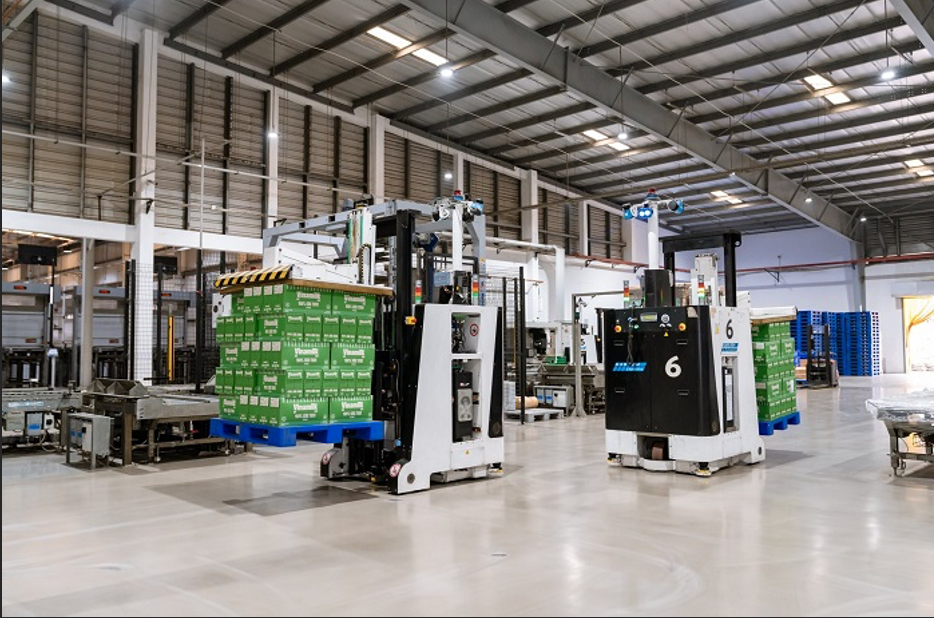
Mr. Vinh further cited the example of PAN Group, a leading Vietnamese corporation in agriculture and food production. PAN Group has shifted toward a greenified production model by building a closed-loop, green agricultural food ecosystem along the value chain, thereby concretizing its ESG (Environmental, Social, and Governance) commitments. In practice, this strategy has enabled PAN Group to continuously expand its market share in demanding markets such as Japan, Europe, Canada, Australia, Taiwan, South Korea, and China in recent years.

Associate Professor Dr. Nguyen Dinh Tho, Deputy Director General of the Institute of Strategy and Policy on Agriculture and Environment under the Ministry of Agriculture and Environment, noted that the European Union (EU) has introduced stringent new regulations on deforestation, known as the EU Deforestation Regulation (EUDR). This regulation takes effect on December 30, 2024, and applies to goods imported into the EU from January 1, 2025. It requires that agricultural commodities such as coffee, cocoa, palm oil, timber, rubber, and others must not originate from land deforested after December 31, 2020. Businesses are required to demonstrate that their products comply with these regulations to access the EU market. The regulation covers multiple product categories and demands a high level of transparency and traceability from producers to final consumers.
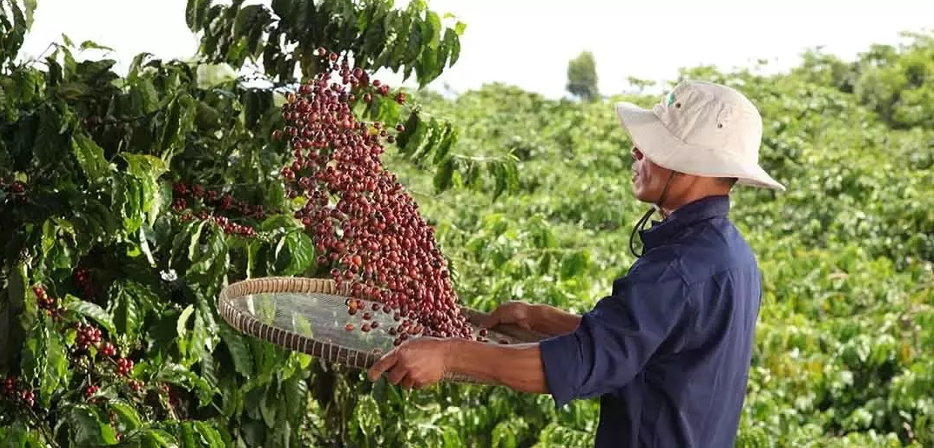
In addition, the EU has also introduced the Corporate Sustainability Due Diligence Directive (CSDDD). According to Dr. Tho, these are the most comprehensive and stringent regulations on supply-chain due diligence ever issued globally. Although the regulations primarily apply to large corporations and enterprises headquartered in Europe, the entire supply chain, including foreign suppliers such as those in Viet Nam, falls within their scope.
Sharing the same perspective, Mr. Nguyen Quang Vinh emphasized that the EU has clearly affirmed that compliance with greenified standards is mandatory for corporations and enterprises, rather than optional. As a result, Vietnamese corporations and businesses must adapt and implement greenification if they wish to continue participating in global trade and investment. Viet Nam currently plays a crucial role in many global supply chains, particularly in industries such as textiles and garments, footwear, electronics, agriculture, and fisheries. The EU remains one of Viet Nam’s largest and most stable export markets. Other major partners, including the United States, Canada, Japan, and South Korea, have also introduced aligned regulations requiring compliance in trade and investment. This situation presents both opportunities and challenges for Vietnamese enterprises, as they must meet increasingly stringent requirements related to greenification, product quality, and pricing to remain competitive in developed markets worldwide.
Linh Chi - Quang Minh