Private enterprises play a pivotal role in green transition
The private enterprise sector is not only a key driver of economic growth but also a pioneering and decisive force in the journey toward green transition.
Sharing his views on this issue, Mr. Nguyen Dinh Tho, Deputy Director of the Institute of Strategy and Policy on Agriculture and Environment under the Ministry of Agriculture and Environment, stated that the private sector plays a decisive role in mobilizing society-wide resources to serve green transition, circular economy transition, and the shift toward a low-carbon economy. However, whether private-sector resources can be effectively mobilized largely depends on government action. In recent years, the Party and the Government have implemented breakthrough measures related to financial capital, physical infrastructure, and human resources, enabling the private sector to mobilize resources across society in support of greenification. This approach is comprehensively reflected in two key policy documents: Resolution No. 68-NQ/TW of the Politburo on private economic development and Resolution No. 198/2025/QH15 of the National Assembly on special mechanisms and policies for private economic development.
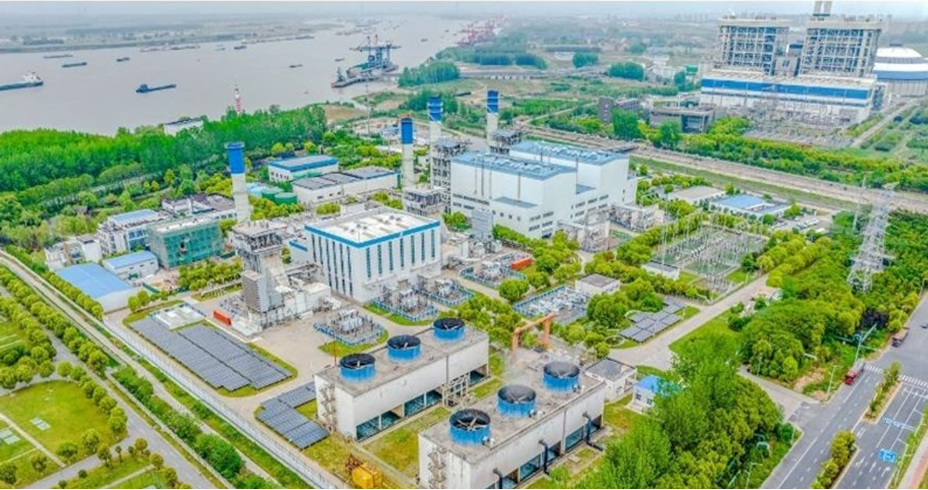
Under these resolutions, private enterprises, household businesses, and individual business entities are eligible for state-supported interest rate subsidies of 2% per year when borrowing capital to implement greenified projects, circular economy initiatives, and ESG (Environmental, Social, Governance) standards. These policies are opening up significant opportunities for enterprises to accelerate green transition in the current development context.
However, Mr. Nguyen Dinh Tho also acknowledged that green transition requires massive upfront investment in technology, infrastructure, and new production processes, which remains a major barrier for many enterprises. Despite the high costs, green transition is a mandatory requirement for sustainable development and compliance with international standards. It should not be viewed merely as an expense, but rather as a long-term investment for the future. Global practices in recent years have demonstrated that green transition is not a cost burden but an investment, with most greenified projects generating net benefits for enterprises.
“For example, the International Finance Corporation (IFC) is supporting Vietnamese enterprises in transitioning to greenified buildings. When operating under green building models, enterprises enterprises can save energy, water, and raw materials with lower carbon intensity. After implementing green transition, most businesses find that their electricity and water costs decrease by more than the initial investment required,” Mr. Tho explained.
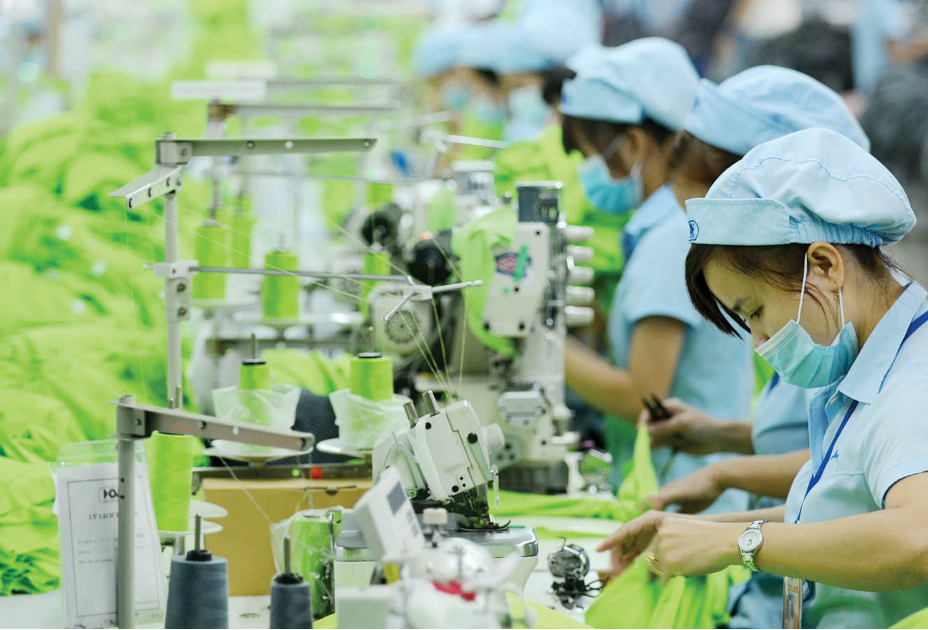
He further cited the agricultural sector, where Viet Nam has recently piloted a one-million-hectare low-emission rice production program using the alternate wetting and drying irrigation method. The results have delivered dual benefits: reducing emissions while helping farmers lower electricity and water costs during irrigation.
Sharing the same perspective, Mr. Nguyen Quang Vinh, a representative of the Viet Nam Chamber of Commerce and Industry (VCCI), emphasized that Viet Nam currently accounts for 1% of global trade value and 1% of global greenhouse gas emissions. In recent years, international organizations have supported Viet Nam through initiatives such as the Just Energy Transition Partnership (JETP), while the IFC and World Bank have assisted with green building models. Alongside Resolution 68 of the Politburo and Resolution 198 of the National Assembly, green transition should be understood as a long-term investment strategy, accompanied by advanced and modern technologies that enable the creation of greenified products.
“This is extremely important when viewed over time, as intangible values such as reputation and brand equity grow stronger. Consumers can take pride in contributing through their purchasing decisions by choosing greenified products”, Mr. Vinh concluded.
Linh Chi - Quang Minh