Special policies needed to develop eco-labels
Eco-labels are seen as a “green passport” that helps businesses expand markets and reach responsible consumers. At the same time, they provide a safe and quality-based choice for consumers. However, many barriers still prevent businesses from developing this “green passport.”
According to Associate Professor Nguyen The Chinh, Vietn Nam needs special, time-bound policies to promote green products. These may include tax incentives and financial support for producers of green goods. Businesses are the key force in implementing eco-labels. They must be capable of meeting the criteria and regulations set by the program. Transitioning from products without labels to certified eco-label products is a long and costly process.
“For example, a rose-based lipstick certified with a European eco-label costs several times more than a similar product without the label. To achieve this, businesses must invest comprehensively, from raw materials to production standards, technology, processes, and awareness. Or take Japanese computer screens as another example. Besides ISO 9000, which ensures product quality, they also meet ISO 14000, linked to eco-labeling. This means the product is not only high quality but also safe for users. But moving from ISO 9000 to ISO 14000 requires very large investments in technology and cost,” Nguyen The Chinh said.
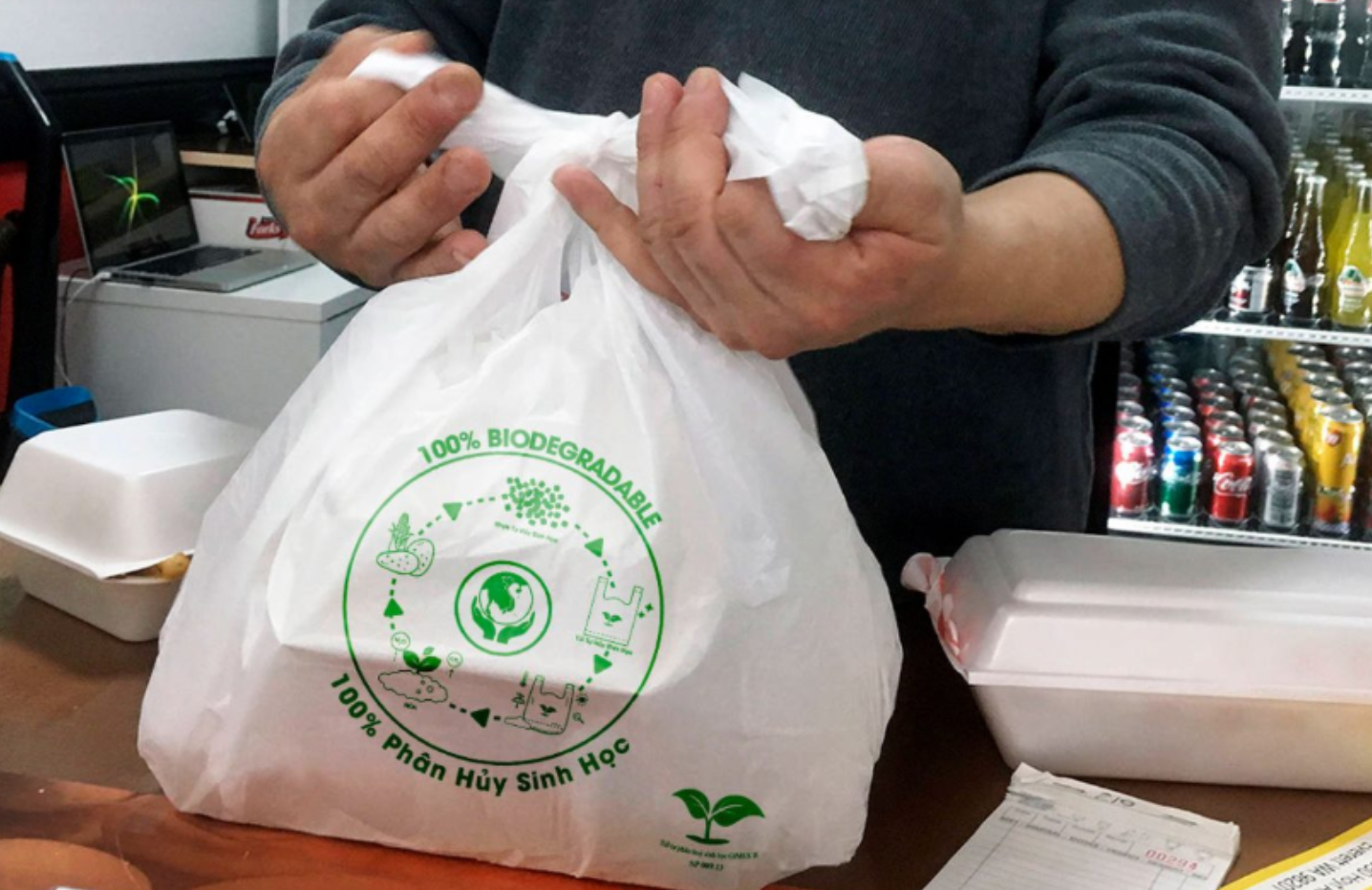
He added that developing a green product market is still challenging. A strong foundation has not yet been formed. Therefore, breakthrough solutions are needed to attract consumers, such as stronger communication and promotion of green products. The role of the State is especially important. The Government should take the lead in using and purchasing green products to create market momentum. Close coordination among businesses, consumers, and authorities is also necessary to promote green production and consumption.
To build consumer trust, monitoring must be strengthened and violations strictly punished, especially fake or counterfeit products, to protect the green product market.
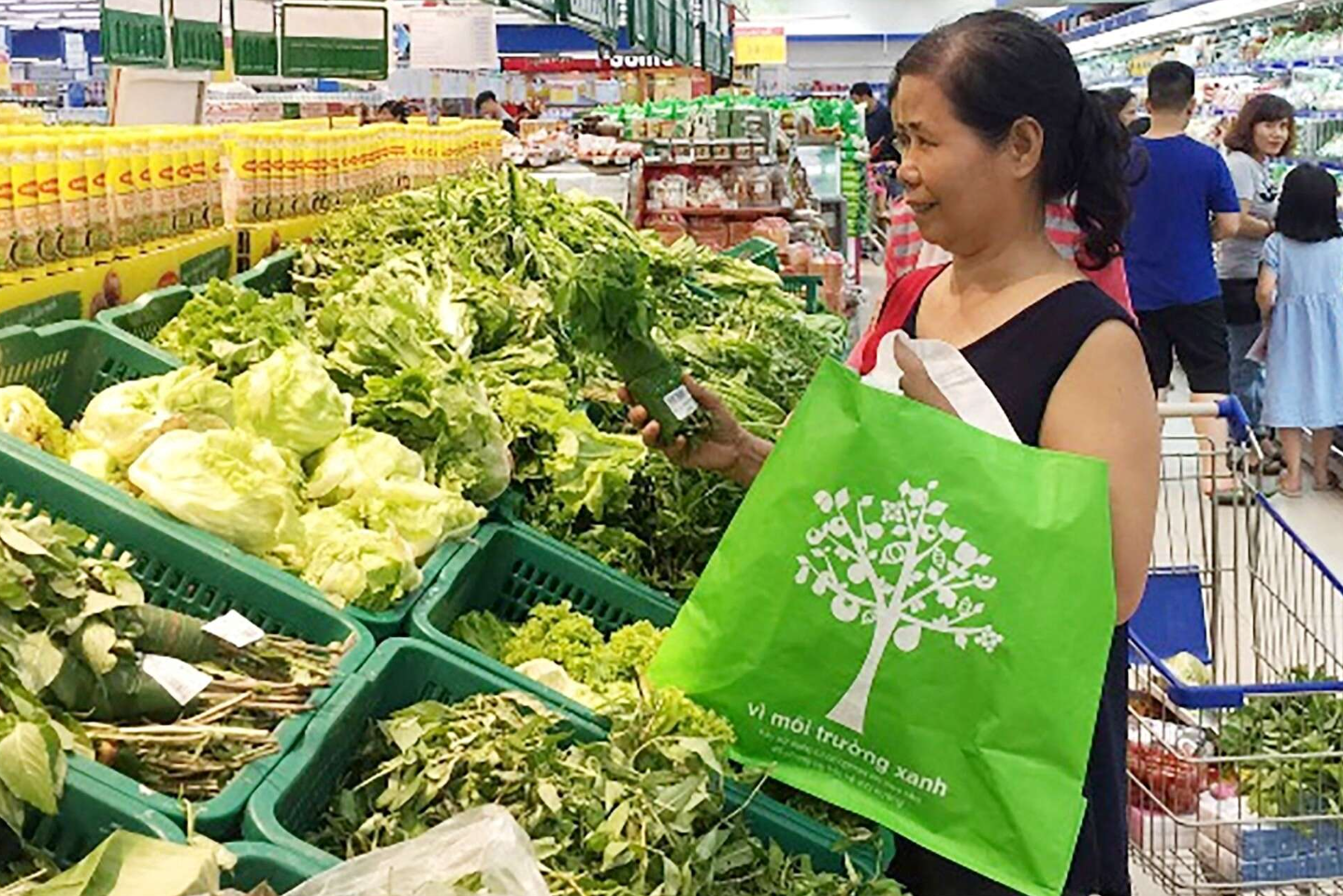
Providing further insight, Mr. Nguyen Dinh Dap from the Viet Nam Academy of Social Sciences said Viet Nam needs to complete its legal framework and supporting policies to encourage businesses to produce more eco-labeled goods. Communication and guidance are also essential so enterprises clearly understand certification processes. Some countries support up to 50 percent of eco-labeling costs. Meanwhile, in Viet Nam, only 13 enterprises received eco-label certification in the past two years, which is a very small number. In addition, communication should be strengthened so businesses, consumers, especially young people, understand that green products help reduce harmful chemicals and protect the environment. In some systems, businesses already prioritize eco-labeled products and offer discount programs to boost purchasing power.
“To successfully promote eco-labels, they must become part of young people’s awareness and consumer language. In the digital era, communication must also be digital. Young people now shop frequently on e-commerce platforms. These platforms should create dedicated eco-label product sections with attractive designs to build shopping habits. Second, environmental awareness must be fostered from schools to society so that people naturally check whether a product is environmentally friendly. Third, we should tell real, data-based stories. For example, how much water a product consumes or how many trees it helps save. Real numbers can change consumer behavior”, Mr. Dap emphasized.
Quang Minh - Thuy Linh