Viet Nam to officially implement emission quota management from 2028
This was the directive of Deputy Prime Minister Tran Hong Ha at a meeting on the morning of December 24 regarding the approval of the total greenhouse gas emission quotas for the 2025–2026 period.
The Deputy Prime Minister emphasized that this is the first time Viet Nam will allocate emission quotas. Although the scheme will initially be implemented on a pilot basis to help businesses familiarize themselves with emission control mechanisms, it must be carried out seriously, with clear legal regulations and without formality.
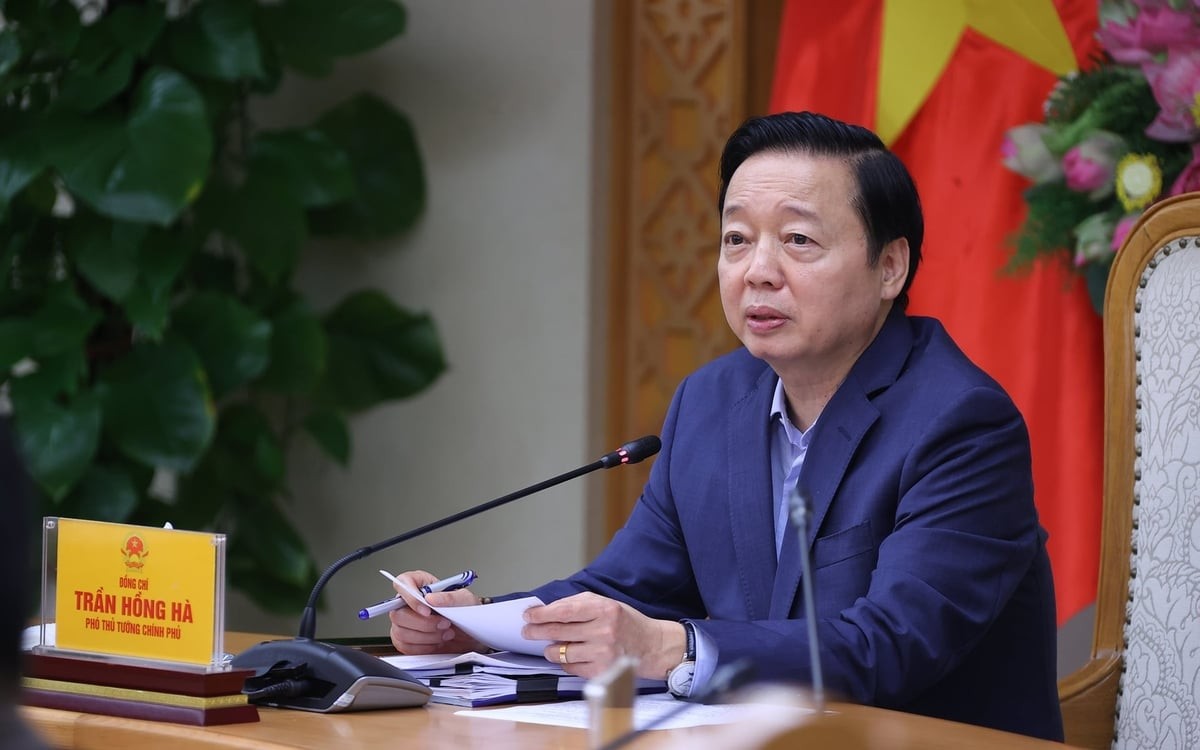
Taking into account inputs from ministries and sectors, the Deputy Prime Minister concluded that during the pilot phase, emission quotas must be carefully calculated for specific sectors such as cement, steel and power; target groups and business scales must also be clearly defined to draw lessons before expanding implementation to 100% of emission entities nationwide in the future.
The pilot phase should not only focus on determining quota figures, but must also be associated with developing a comprehensive and synchronized system - from measurement, monitoring, statistics, reporting and verification, to legal and technical regulations. These methodologies must be grounded in solid scientific foundations and aligned with international standards, such as the United Nations Framework Convention on Climate Change (UNFCCC), to ensure internationally recognized data and compliance with Viet Nam’s Nationally Determined Contribution (NDC) commitments.
Regarding delegation of authority, the Deputy Prime Minister agreed to authorize the Minister of Agriculture and Environment to decide the total emission quotas for pilot sectors, while coordinating with relevant ministries, sectors and industry associations to allocate quotas and select participating enterprises. Allocation must ensure scientific basis, objectivity, transparency and fairness. The Ministry of Agriculture and Environment will act as an “arbiter” in establishing methodologies and overseeing quota implementation. Enterprises participating in the pilot phase must proactively conduct calculations and hire consulting units and independent organizations to measure and verify data.
In terms of roadmap, the Deputy Prime Minister instructed that from now until 2027, efforts should focus on piloting to refine mechanisms and policies. From 2028, Viet Nam will officially and mandatorily manage emission quotas nationwide for all sectors and enterprises.
The Ministry of Agriculture and Environment has been requested to publicly announce the roadmap immediately so that enterprises can prepare in advance, while reviewing and supplementing legal regulations on the rights, responsibilities and obligations of stakeholders. In particular, sanctions for violations and data fraud must be completed, alongside the development of economic instruments to incentivize emission reductions.
“Only when a carbon credit and quota trading market is formed, with clear buying and selling mechanisms, will enterprises have real motivation to participate,” the Deputy Prime Minister stressed.
Khanh Ly