Viet Nam and the U.S. cooperate to promote tilapia value chain
The United States plans to invest $15.2 million in a project to improve Viet Nam's tilapia value chain and enhance trade in high-quality soybean products.
On January 13, Deputy Minister of Agriculture and Environment Phung Duc Tien received and worked with a delegation from the U.S. Embassy regarding the implementation of the new U.S. - Viet Nam Aquaculture Value Chain Partnership project.
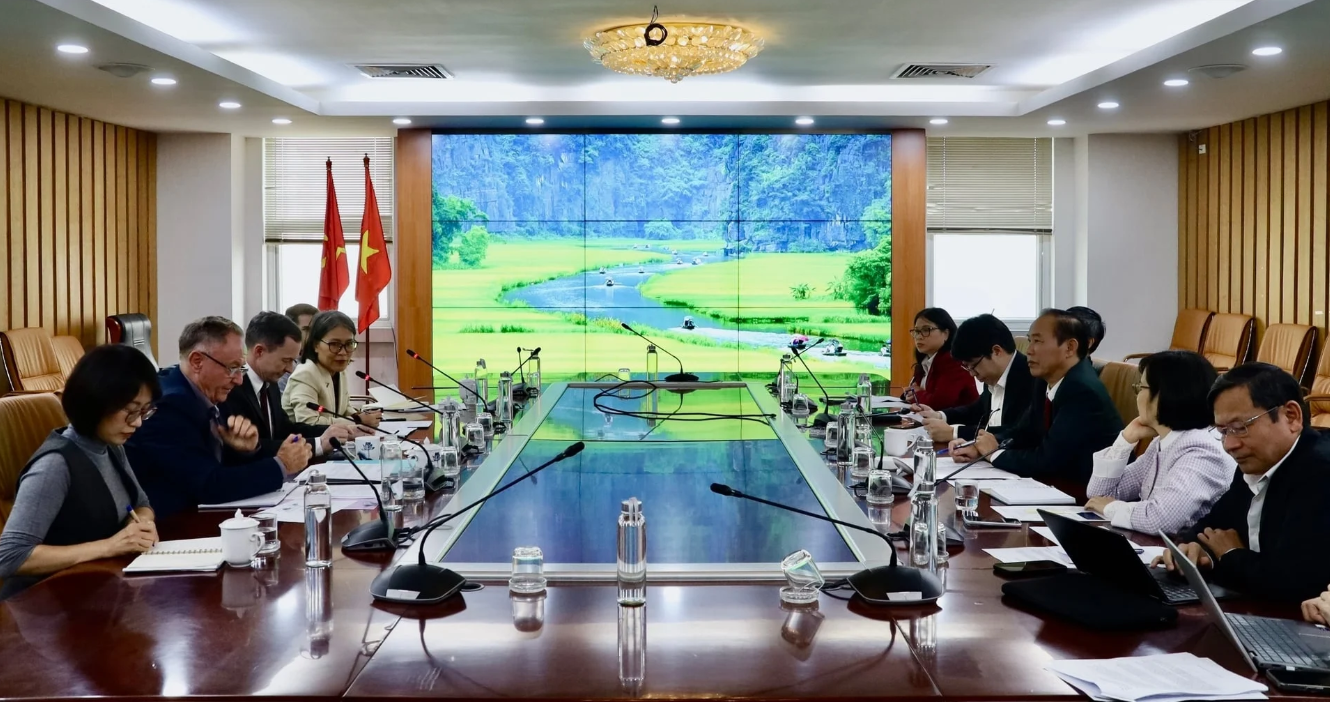
According to Agricultural Minister-Counselor Ralph Bean, the project will be led by Lutheran World Relief (LWR), with support from Vietnamese partners and the World Initiative for Soy in Human Health (ASA/WISHH) under the U.S. Soybean Association. The project’s total estimated budget exceeds USD 15.2 million.
“Implemented under the U.S. Food for Progress Program, the project is designed to improve the tilapia value chain in Viet Nam, while strengthening trade in soybean-based aquafeed and tilapia products. Over the five-year implementation period, we aim to achieve a cumulative tilapia output of 1.21 million tonnes, with total sales value estimated at USD 1.25 billion.
The project will facilitate increased imports of high-quality soybean products for aquaculture feed, while also expanding trade in tilapia to the U.S. market, the regional market, and Viet Nam’s domestic market,” Minister-Counselor Ralph Bean said.
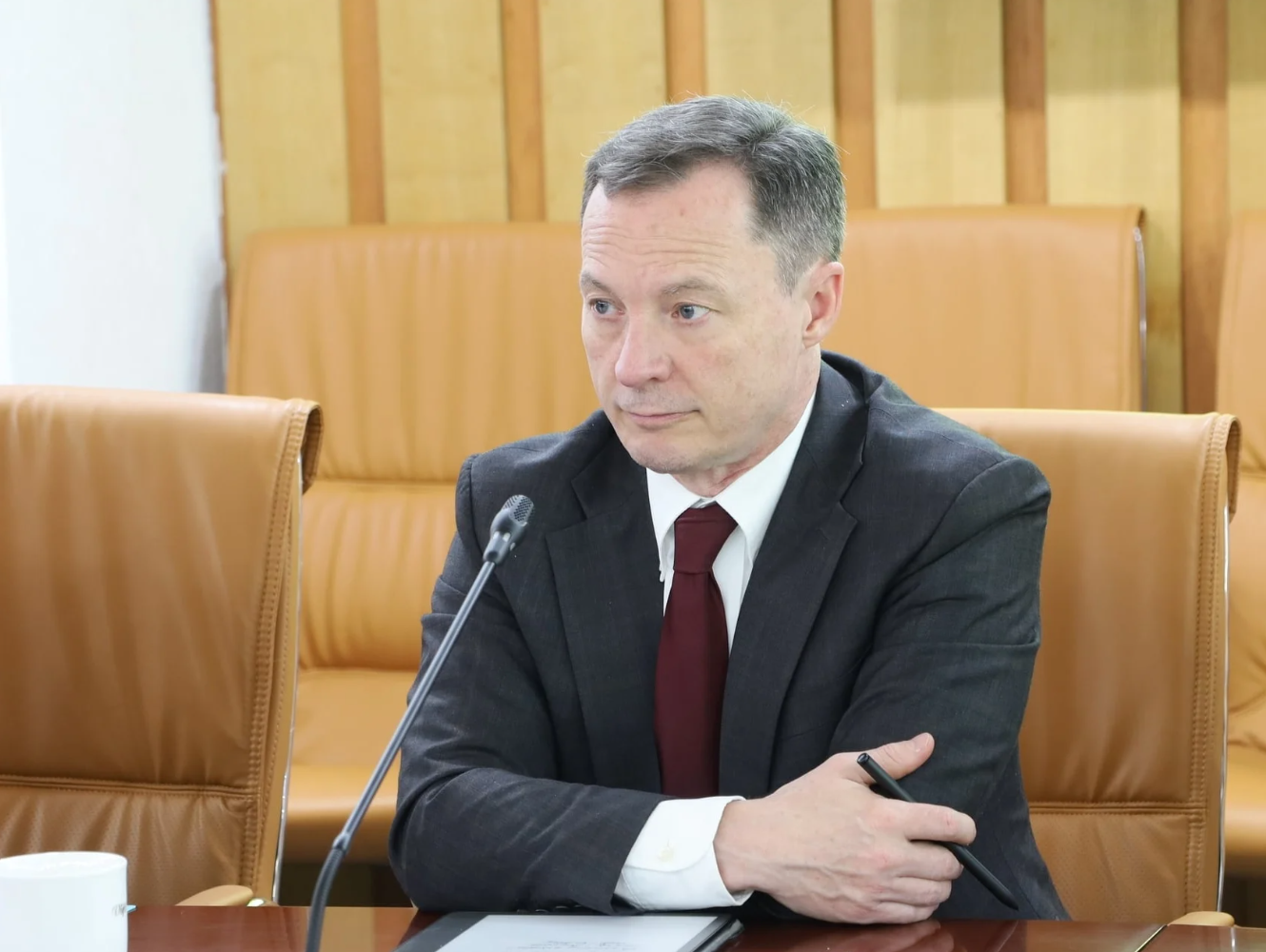
Project Director Nick Richardson said the program is entering the official introduction phase to the Government of Viet Nam. It is expected that soybeans will become the project’s core funding source, alongside the signing of cooperation agreements with Vietnamese partners.
From March to September 2026, the project will conduct baseline studies, mobilize funding, and begin implementing funded activities, including promotional outreach, improvements in broodstock tilapia quality, and support for hatcheries. From October 2026 onward, the project is expected to scale up technical assistance, roll out training programs, strengthen capacity building, and provide financial support.
“We hope to work closely with Vietnamese agencies to conduct surveys and develop a set of evaluation indicators within one year. To ensure progress in a context where registration procedures require at least six months under current regulations, the U.S. side has proposed initiating certain activities early within the permitted scope. However, implementing activities in parallel with the completion of administrative procedures also creates certain barriers,” Mr. Nick added.
Regarding the scope of beneficiaries, the project is expected to benefit 24,224 people over the next five years, including farming households, farms, and processing facilities; units under the Ministry of Agriculture and Environment; as well as relevant industry associations. The proposed project locations are the Red River Delta and the Mekong Delta.
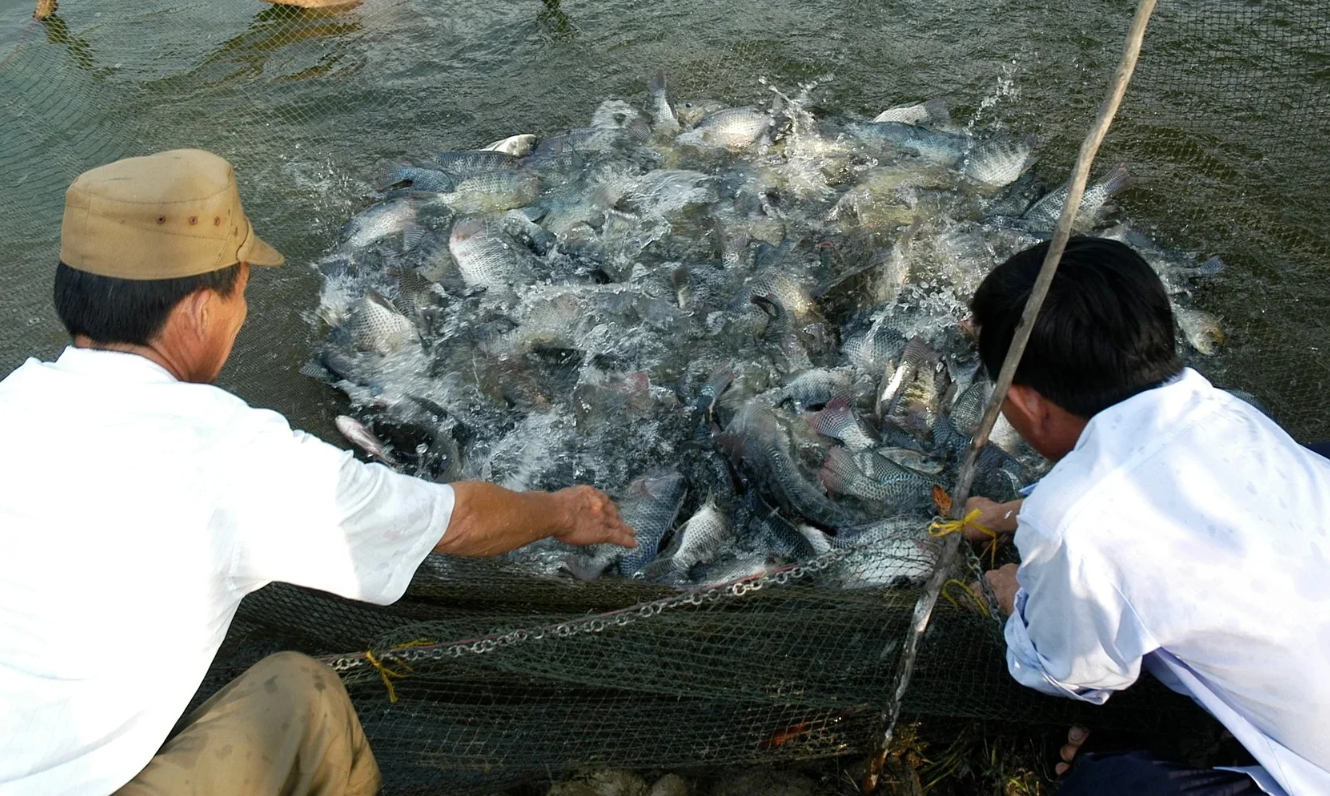
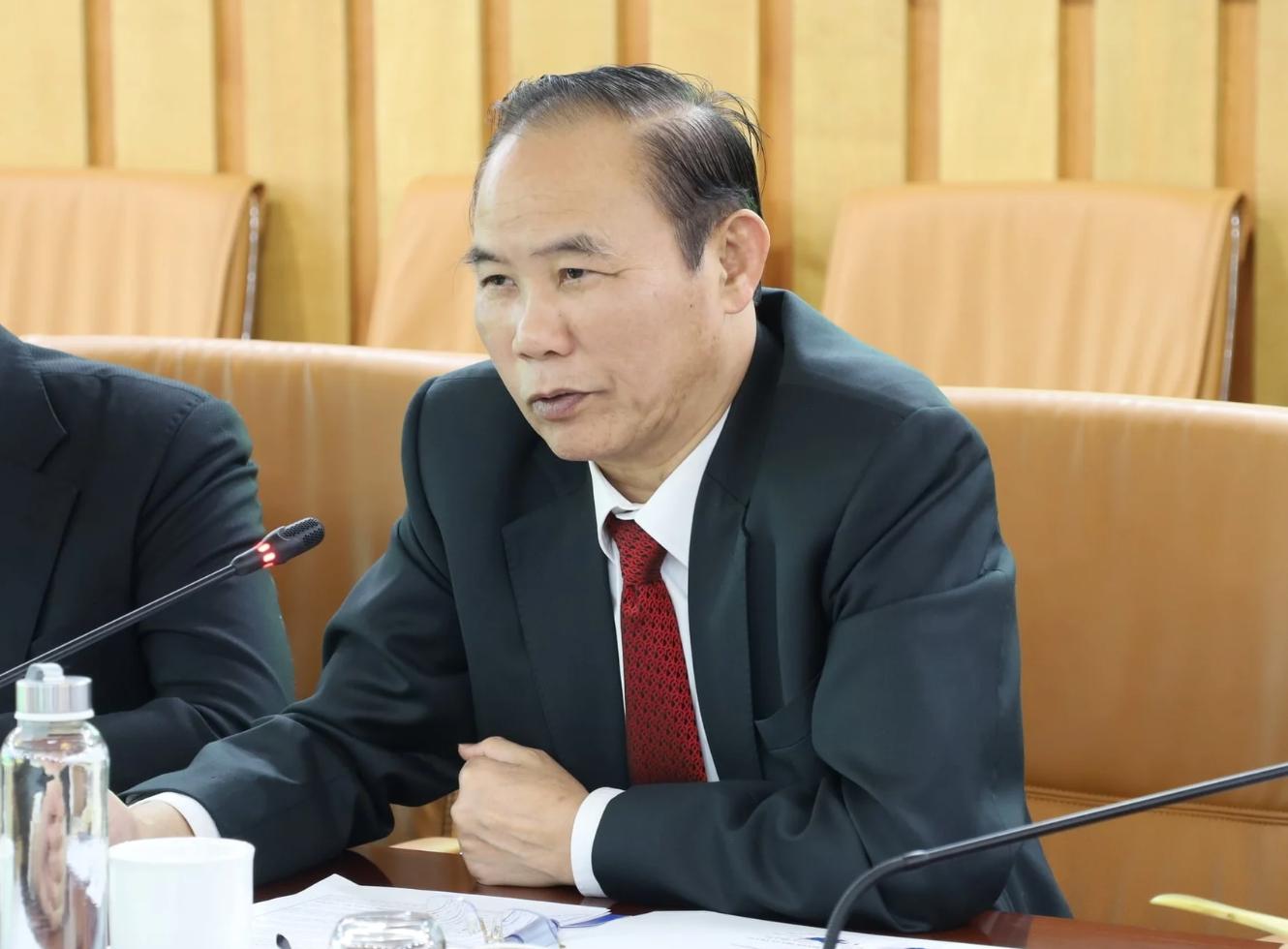
Deputy Minister Phung Duc Tien affirmed that this project is a “right and well-targeted” move, creating an important source of resources to implement Viet Nam’s tilapia development plan through 2030. In addition to key production areas, he suggested developing striped tilapia and red tilapia strains in the central and southern regions to fully leverage geographic advantages.
“Tilapia has the advantage of fast growth and good flesh quality. Meanwhile, Viet Nam has a strong pool of experts, and many enterprises are shifting decisively toward this species. I am confident that, with the current potential, export value will not stop at USD 1.2 billion,” the Deputy Minister emphasized.
Regarding administrative procedures, the Ministry of Agriculture and Environment are committed to resolving bottlenecks and completing all legal procedures by May 2026. The Deputy Minister assigned the Department of Fisheries and Surveillance as the focal point, working in coordination with the Research Institute for Aquaculture No. 1 and the International Cooperation Department to provide maximum support to the U.S. side.
According to the Department of Science and Technology, the quality of seed stock and production processes in Viet Nam remain limited, making it difficult to fully meet export requirements. Therefore, an integrated, end-to-end control of the entire production process is needed to improve product quality. The Department’s representative also suggested that the project name should explicitly specify tilapia, thereby facilitating the assessment of effectiveness and impacts during implementation.
In response to this situation, the project focuses on implementing six key activity areas: development of aquaculture feed and seed supply systems; establishment of demonstration models; strengthening capacity and providing support to producers; facilitating access to finance for micro and small enterprises; provision of in-kind support and equipment for hatcheries; and expanding market access and promoting tilapia trade.
Phuong Linh