Opportunities for Vietnamese coffee in the South Korean market
In 2025, Viet Nam remained the second-largest supplier of coffee to South Korea, exporting 35,900 tonnes worth US$171.1 million. While export volume declined by 2.8% compared with 2024, export value rose by 31.2%. Viet Nam’s share in South Korea’s total coffee imports slightly decreased from 18.27% in 2024 to 17.81% in 2025.
Despite the slight decline in market share, opportunities for Vietnamese coffee remain significant as South Korea’s coffee market continues to expand rapidly in both scale and value.
South Korea is a major consumer of roasted and instant coffee, while Viet Nam has a strong advantage in the supply of robusta beans - the key raw material for instant coffee and blended coffee products. The growing popularity of convenient coffee products, packaged coffee and ready-to-drink (RTD) beverages in South Korea is expected to create further room for Vietnamese robusta to strengthen its presence in the processing value chain.
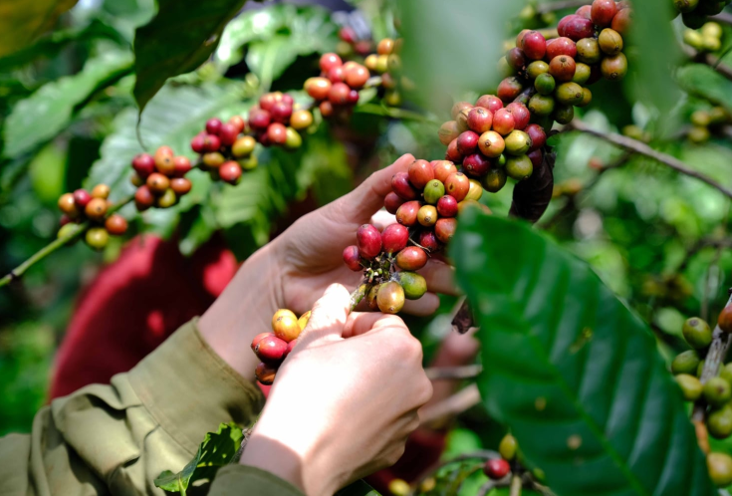
In addition, high global coffee prices have helped boost export value, suggesting that growth potential lies not only in export volume but also in strategies aimed at increasing value-added products. By expanding exports of processed coffee, specialty coffee, organic coffee and products certified under sustainability standards such as Rainforest Alliance or Fairtrade, Viet Nam could better tap into the mid- to high-end segments of the South Korean market, which are currently expanding.
Furthermore, the Viet Nam–Korea Free Trade Agreement (VKFTA) continues to provide tariff advantages and improved market access, enabling Vietnamese exporters to strengthen their competitiveness against other suppliers.
Building a stronger brand for Vietnamese coffee - highlighting origin stories, growing regions and tailored marketing strategies that appeal to South Korea’s younger consumers - will also be crucial for maintaining Viet Nam’s position as the second-largest supplier and gradually expanding its market share in the coming years.
With a market size of US$13.67 billion and one of the highest per capita coffee consumption levels in the world, South Korea is not only a stable export destination but also a strategic market for Vietnamese coffee to shift from “high-volume exports” to “high-value exports,” thereby strengthening its position on the global coffee map.
Hong Tham