Turning weather data into targeted recommendations
Three core elements including data, technology, and people, must be closely integrated for Viet Nam’s disaster prevention ecosystem to operate effectively.
Building “your own weather station”
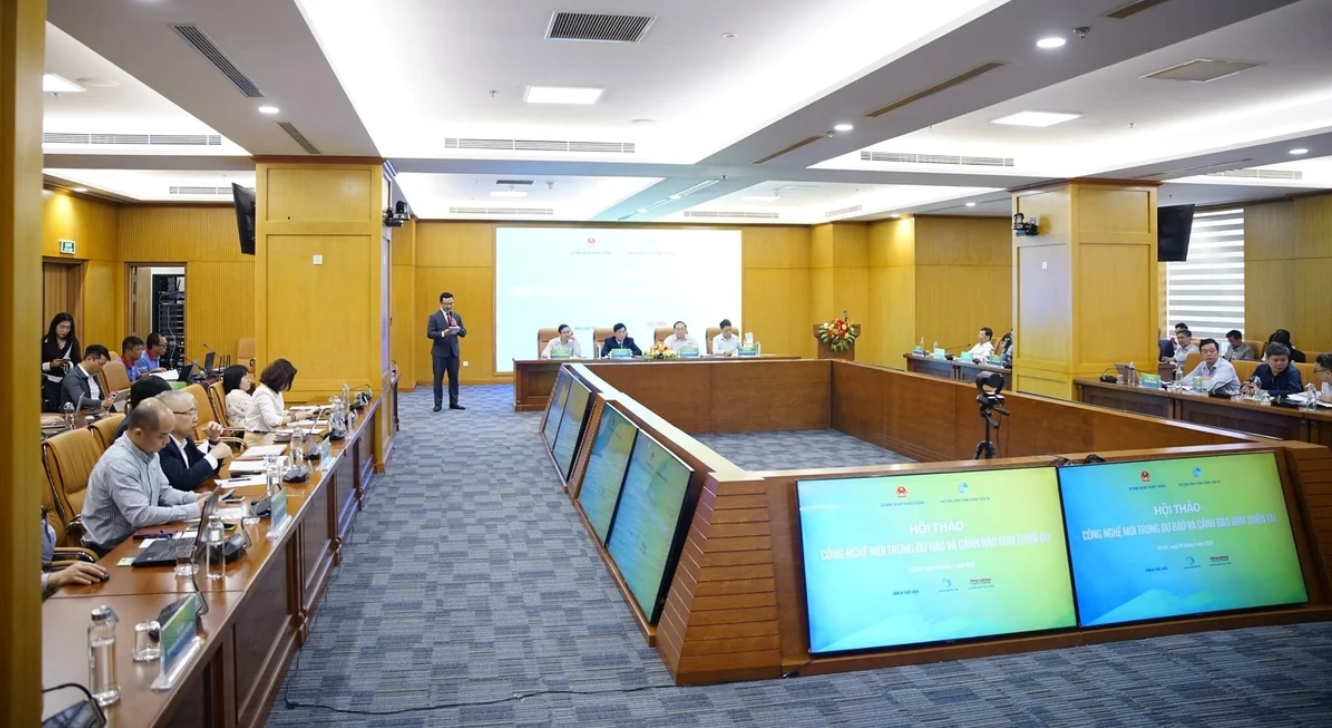
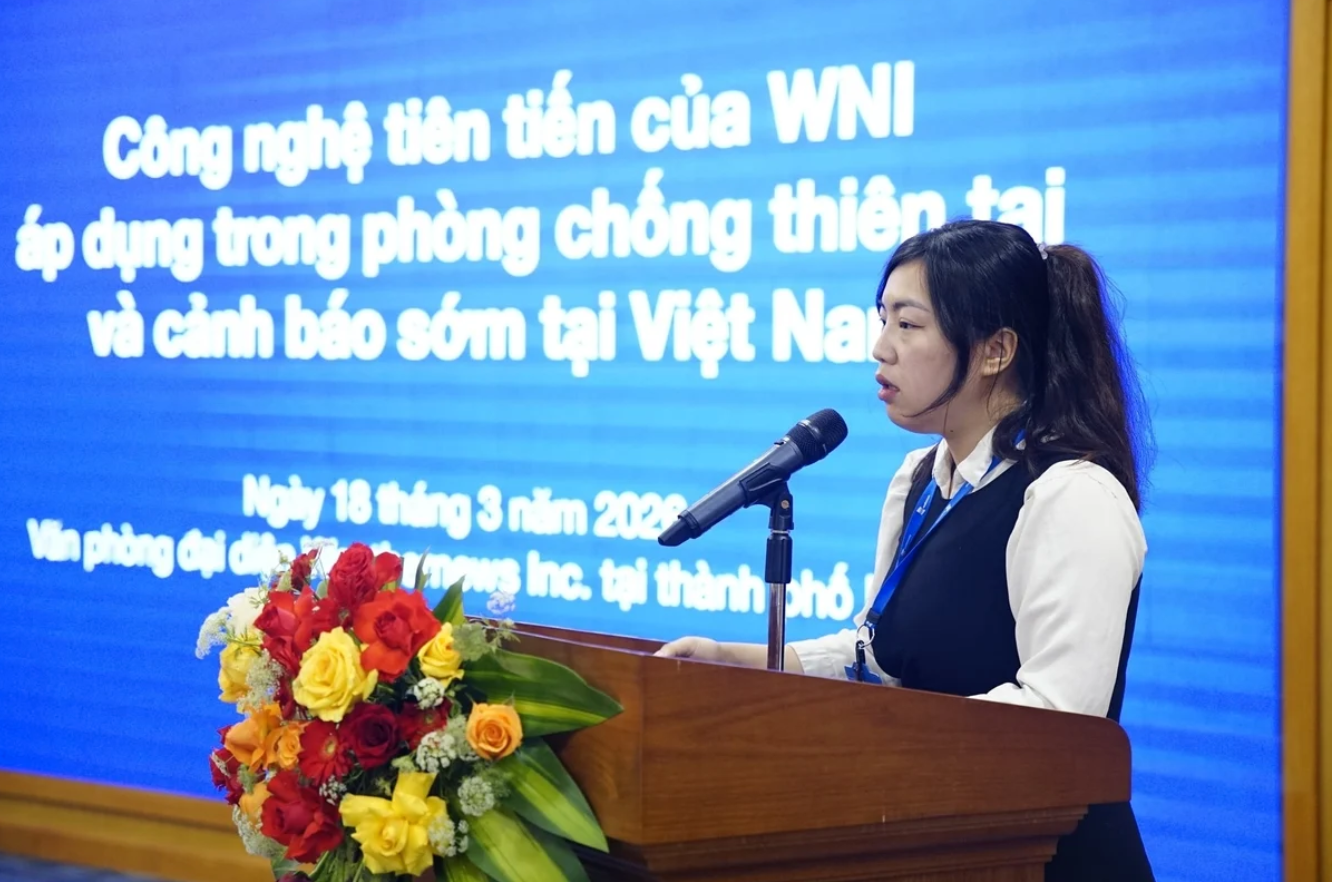
Speaking at the workshop “New Technologies in Disaster Forecasting and Early Warning” held on March 18, co-organized by Viet Nam Agriculture and Nature News, the Viet Nam Meteorological and Hydrological Administration (VNMHA), and the Community-Based Disaster Prevention Fund, Ms. Quach Minh Ngoc, Chief Representative of Weathernews Inc.’s Hanoi Office, said that after many years working in Viet Nam, her primary concern has not been technology alone, but how to ensure that forecasts and early warnings translate into timely action by citizens and businesses in the face of disasters.
According to Ngoc, Weathernews Inc., headquartered in Japan, is the world’s largest private meteorological company. Rather than simply issuing forecasts, the company pursues a different approach: transforming weather data into specific, tailored recommendations for different users, from government agencies and businesses to individual citizens.
“If national meteorological agencies serve as ‘weather stations for everyone,’ Weathernews aims to become ‘your personal weather station,’ where information is not only delivered but also continuously refined through feedback to better reflect real conditions,” she said.
In Viet Nam, cooperation between Weathernews and the VNMHA (under the Ministry of Agriculture and Environment) has been in place since 2015 and continues to deepen. Since 2025, AI-based forecasting technologies have been introduced for sharing and pilot applications. Ngoc emphasized that these technologies are not intended to replace existing systems but to complement them, adding a highly accurate reference layer to the national forecasting system.
Recent pilot deployments have shown promising results, with the system capable of issuing hundreds of rainfall alerts each month with an average accuracy of over 80%, and lead times of around 40 minutes.
“Forty minutes may not seem long, but in many situations, even a short lead time can be enough for authorities and communities to make timely, appropriate decisions and significantly reduce damage,” she noted.
Three core pillars
Building on these initial results, Weathernews aims not only to provide forecasting technology but also to help develop a comprehensive disaster-prevention ecosystem in Viet Nam. According to Ngoc, this requires three tightly linked pillars: data, technology, and people.
First is data. Accurate forecasting depends on sufficient input data, particularly in areas that remain observational “blind spots.” A proposed network of around 1,000 IoT-based meteorological sensors would help fill these gaps and generate continuous real-time data streams, an essential foundation for effective AI modeling.
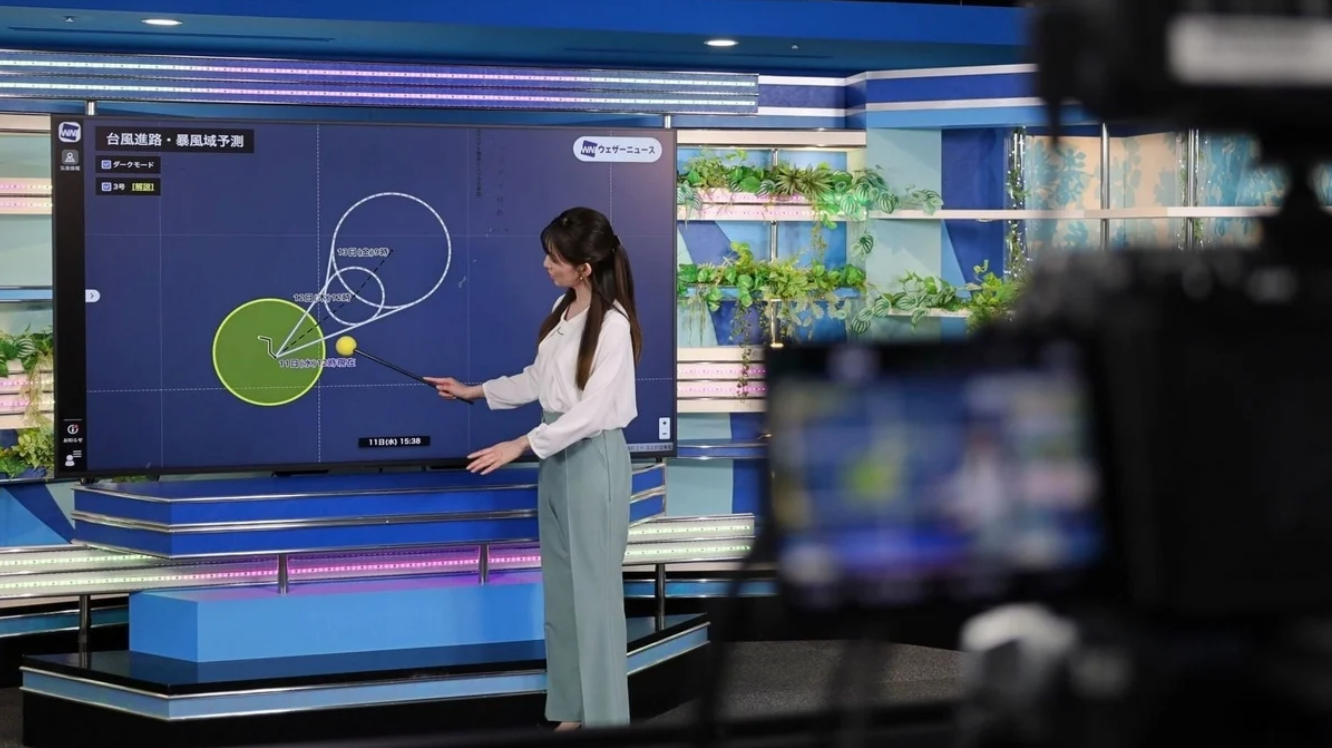
Second is forecasting technology. Weathernews’ next-generation AI models can produce ultra-high-resolution forecasts for small geographic areas, with updates every few minutes. This capability is especially critical for localized extreme weather events such as heavy rainfall and urban flooding, which are becoming increasingly unpredictable under climate change.
However, Ngoc stressed that the most important factor is people. “Technology is meaningless if users do not understand or master it. That is why, in all cooperation proposals, Weathernews prioritizes training and technology transfer, enabling Viet Nam to operate and develop its systems independently rather than relying on a ‘black box,’” she said.
From her perspective, Viet Nam has a major opportunity to shift from an “equipment investment” approach to building a “resilience operating system,” in which disaster-prevention mechanisms operate continuously and are continually updated with new data, technologies, and practical experience. This shift is essential for adapting to a world where climate risks are intensifying and evolving more rapidly.
In addition to improving forecast quality, Weathernews focuses on communication. Ngoc noted that even the most accurate forecast has limited value if it does not reach the right audience at the right time. The company is therefore developing a global weather platform that integrates and shares Viet Nam’s official warnings in full, helping disseminate information more widely to both the public and business community.
“When people receive early and reliable warnings, they can respond more proactively. When businesses have timely information, they can plan to maintain operations and minimize losses. That is the ultimate goal of weather forecasting,” she said.
Pham Hieu