Lam Dong to digitize fisheries sector
Lam Dong Province has approved a strategic project to restructure its fishing fleet, facilitate occupational transitions, and integrate digital technology into fisheries management through 2030.
The provincial People’s Committee has issued Decision No. 713/QĐ-UBND, endorsing a plan to shift livelihoods, reorganize the fleet, and deploy digital tools across the seafood harvesting sector.
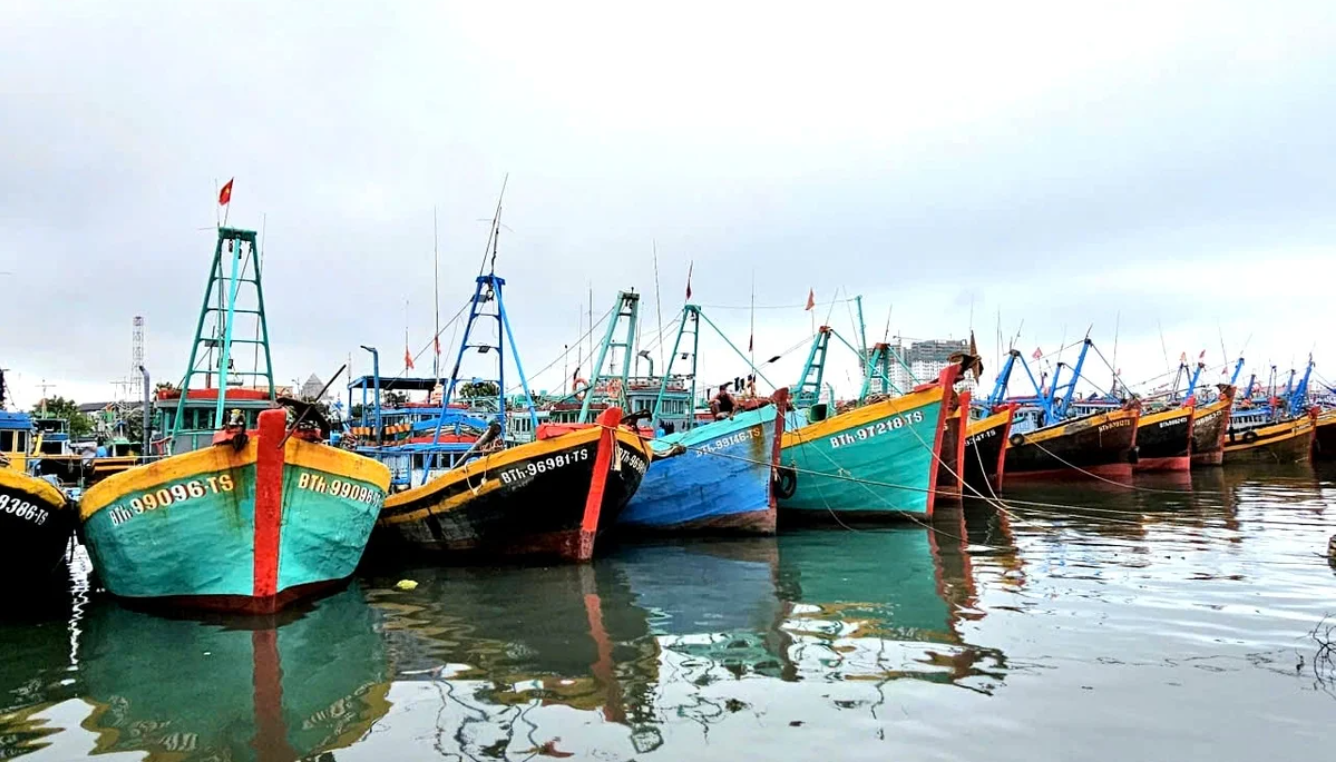
This is seen as a breakthrough step to address longstanding structural challenges, with the dual aim of advancing a sustainable marine economy and improving livelihoods for tens of thousands of local fishers.
An urgent challenge: conservation and livelihoods
With a coastline stretching 192 kilometers and jurisdiction over roughly 14,000 square kilometers of sea, Lam Dong has long been one of Vietnam’s key fishing grounds. However, the sector is now facing mounting pressures. Fish stocks are declining, marine pollution is worsening, and critical ecosystems are being severely degraded due to excessive fishing intensity.
As of the end of 2025, the province had 8,210 fishing vessels. The largest segments include hook-and-line boats (2,967 vessels), gillnetters (2,127), and trap fisheries (887).
More concerning is the continued use of destructive fishing methods, such as single trawl nets, set traps, and bottom raking, particularly in nearshore waters. These practices are depleting marine resources at an alarming rate. Nearshore single trawl operations, for instance, catch juvenile fish at rates exceeding 80 percent, leaving little chance for stock regeneration.
At the same time, the workforce remains constrained by low levels of education: more than 85 percent of fishers have only primary or lower secondary schooling and rely largely on inherited, experience-based practices. This poses a significant barrier to the adoption of modern science and technology. As a result, occupational transition and fleet restructuring are not only regulatory imperatives but also essential to ensuring social welfare and helping communities avoid cycles of poverty and relapse.
Digital transformation and 2030 targets
The plan sets a clear target: by 2030, the provincial fishing fleet will be reduced to around 7,200 vessels, with environmentally harmful practices phased out entirely.
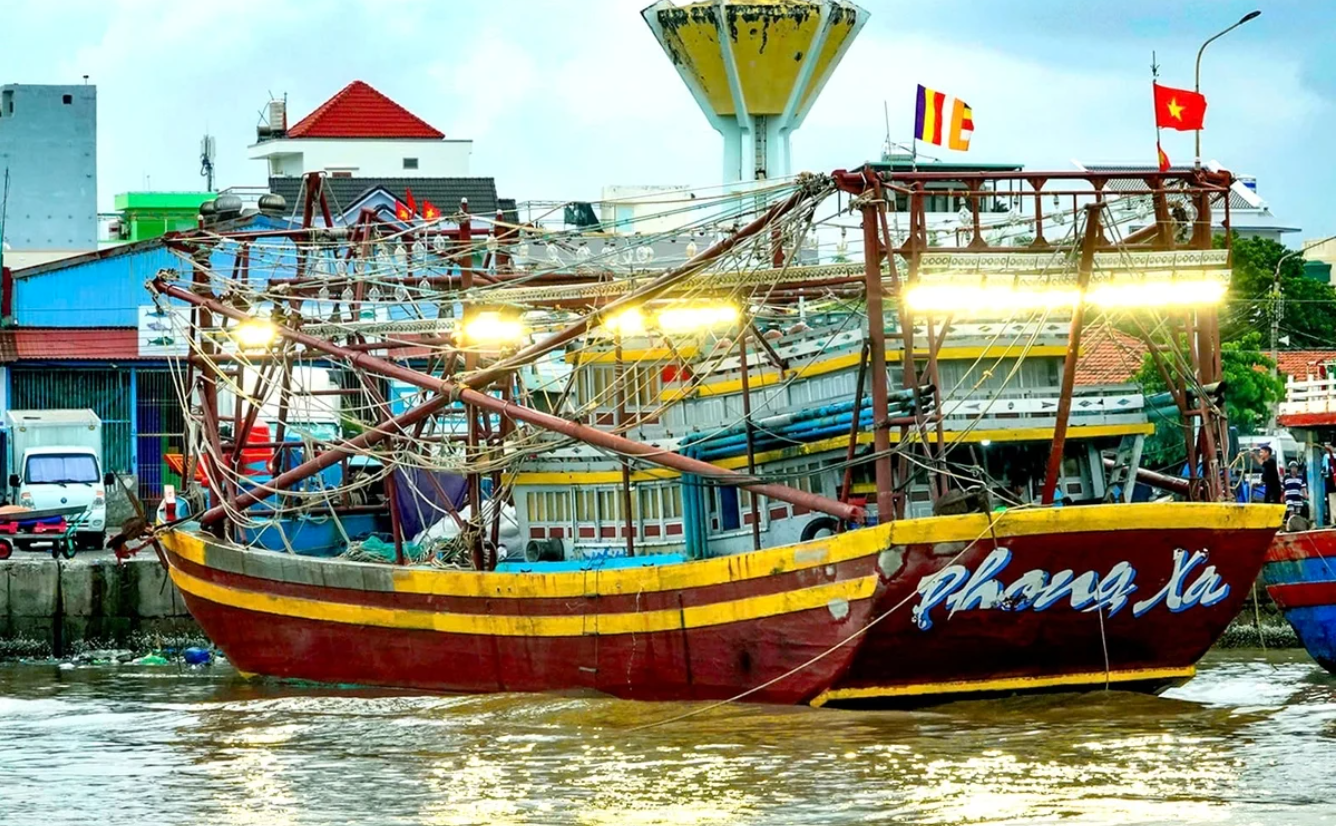
According to Nguyen Van Chien, Deputy Director of the provincial Department of Agriculture and Environment, a central pillar of the strategy is the comprehensive digitization of fishing activities.
Lam Dong aims for 100 percent of vessels to maintain stable connectivity with vessel monitoring systems (VMS), and for all boats to adopt electronic logbooks (eLogbooks), replacing traditional paper records. The rollout of an electronic catch documentation and traceability system (eCDT) is expected to ensure transparency across the entire value chain, from catch monitoring to processing and export.
These measures are not only designed to help lift the European Commission’s “yellow card” warning on illegal, unreported and unregulated (IUU) fishing, but also to enhance fishers’ capacity for disaster preparedness and search-and-rescue coordination at sea. In practice, real-time data flows will allow authorities to monitor fishing effort more precisely, detect violations earlier, and respond more quickly to emergencies, while also providing a reliable database for scientific stock assessments and policy planning.
At the same time, digitization is expected to transform day-to-day operations for fishers. Access to digital platforms can support more efficient trip planning, reduce fuel costs, and improve market access through better information on prices and demand. Over time, the integration of digital tools may also enable the development of smart fisheries management models, linking vessels, ports, regulators and buyers in a unified system.
In parallel with tighter management, the province is opening new livelihood pathways. Vessel owners unable to meet fishing requirements will be supported in transitioning to marine aquaculture (such as offshore cage farming), port-based logistics services, or community-based tourism. Training programs and technical assistance will be rolled out to help workers adapt to new roles, with a focus on younger labor and households most vulnerable to income shocks.
Notably, co-management models for fisheries resource protection will be expanded through 11 community organizations in key localities, including Lien Huong, Phan Ri Cua, and Phu Quy, with the goal of transitioning approximately 3,000 fishers into alternative livelihoods. These community-based approaches are expected to strengthen compliance, as local stakeholders take a more active role in monitoring and conserving marine resources.
Backed by substantial investment from public budgets and mobilized private capital, the initiative is expected to reshape Lam Dong’s fisheries sector, making it more modern, transparent, and, above all, better balanced between economic gains and the long-term protection of marine ecosystems for future generations.
Kim So