Early disaster warnings must be clear, concise, and actionable
Early warning systems must ensure that people not only receive information, but understand it and take appropriate action - supported by integrated data and digital technologies.
Turning warnings into action
As disasters become increasingly complex, extreme, and unpredictable, improving the effectiveness of forecasting, warning, and response has become an urgent priority. A central challenge is ensuring that warning information is not only issued in a timely manner, but also reaches the right people, is clearly understood, and translates into concrete action at the community level.

Speaking at the workshop “New Technologies in Disaster Forecasting and Early Warning” on March 18, co-organized by Viet Nam Agriculture and Nature News, the Viet Nam Meteorological and Hydrological Administration (VNMHA), and the Community-Based Disaster Prevention Fund, Bui Quang Huy, Deputy Director of the Disaster Prevention Policy and Technology Center, outlined four key questions: Do communities receive the warning? Do they understand it? Do they know how to respond? And are they able to act?
According to Huy, the true value of early warning lies not in the transmission of information, but in its ability to reduce damage. This requires changes in both awareness and behavior, as well as close coordination between communities and disaster response forces. A “community-based” approach, he stressed, is not merely about mobilizing people, but about ensuring they have access to information, guidance, and the capacity to act appropriately.
In practice, gaps remain, particularly the lack of feedback from communities. While monitoring stations provide data on rainfall, water levels, and meteorological conditions, real-world signals from residents, such as localized flooding or early signs of landslides, are not yet fully utilized. This is a valuable data source that can help refine and improve warning accuracy.
Equally important is how warning messages are designed. Information must be concise, easy to understand, and tailored to specific user groups. If people cannot clearly identify the risks they face, even frequent warnings may fail to prompt appropriate action. Raising disaster risk awareness through training, communication, and community participation in risk mapping is therefore essential.
Toward integrated and connected data systems
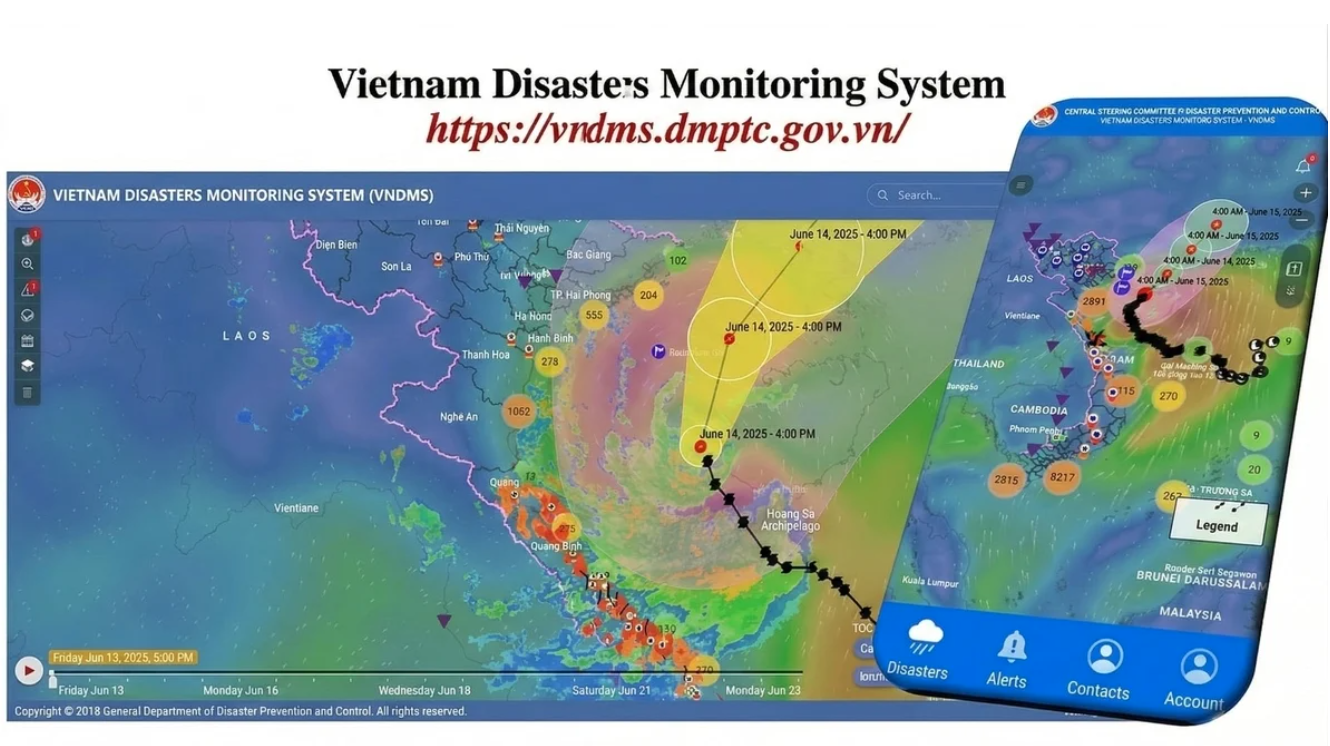
Another critical requirement is the development of a synchronized, interconnected warning system from the national to local levels. While many provinces have established their own platforms for disaster management, a lack of standardization in data structures and systems has led to fragmentation and limited interoperability.
This underscores the need for a unified system that ensures data is accurate, complete, clean, and continuously updated, while enabling two-way data sharing across all levels.
In this context, digital technologies, particularly AI, are opening new pathways. Viet Nam’s national disaster monitoring system has been implemented in three phases: data integration, institutional development, and technology application. However, the effectiveness of these technologies ultimately depends on accessibility at the community level.
A pilot model in Ha Tinh province demonstrates this potential. The provincial disaster monitoring system features two interfaces, one for command and control, and another for the community.
Residents can access disaster information, consult evacuation maps, and submit images or reports of local conditions and support needs. This data is automatically updated and shared from commune to provincial and national levels, significantly reducing response time.
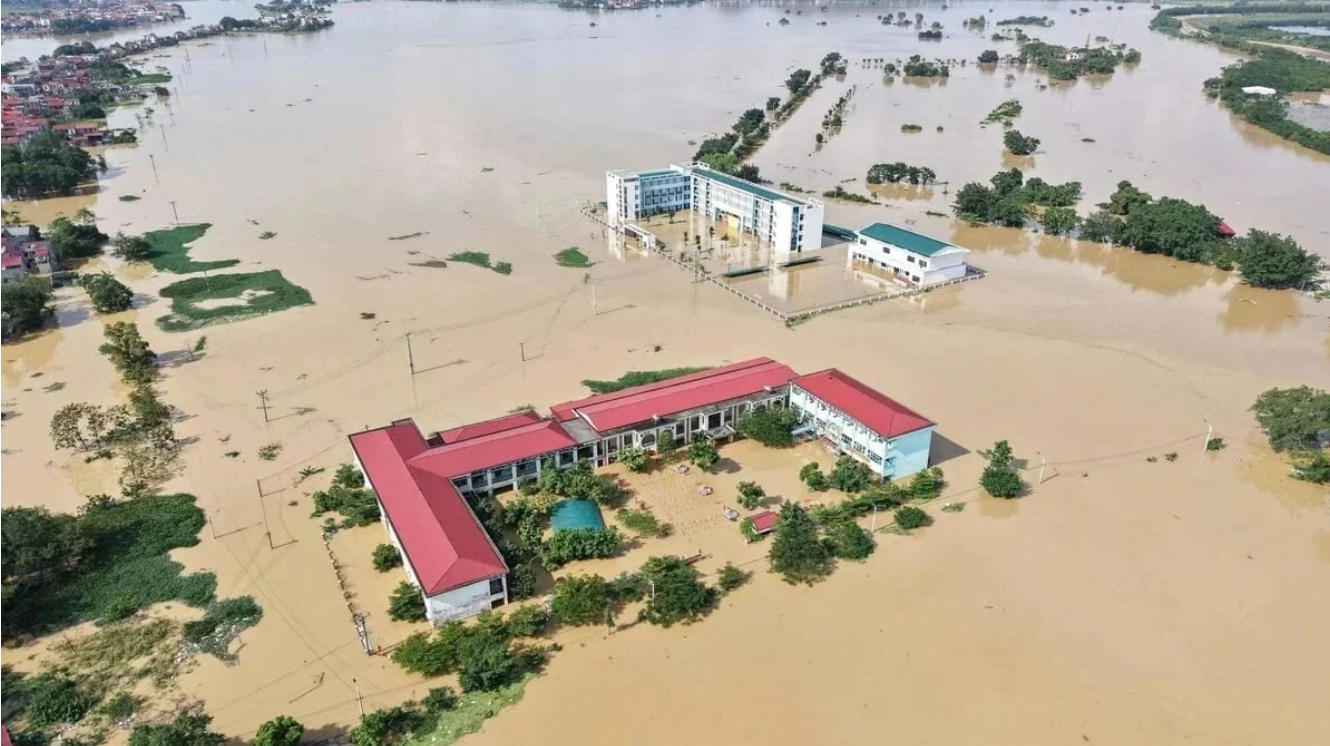
Notably, disaster response maps co-developed by local authorities and communities have proven highly effective. These maps identify hazard zones, evacuation routes, safe locations, living conditions, and vulnerable groups requiring priority support. This approach enables a shift from static planning to real-time, adaptive response aligned with evolving disaster conditions.
Huy also proposed that provincial disaster monitoring systems should be built around mobile applications, which can capture real-time field data and quickly gather feedback from communities.
Looking ahead, these systems should become more user-friendly, incorporating features such as voice search, automatic geolocation, and tailored action guidance for specific scenarios. This is particularly important for vulnerable groups or those with limited access to advanced technology.
Huy emphasized that linking early warning with early action, integrating data with real-world conditions and technology with human capacity, is the core pathway to improving disaster risk reduction. It also lays the foundation for building a modern, integrated, and sustainable disaster risk management system in the face of escalating climate change.
Minh Ha - Trung Hieu