Lao Cai targets three high-tech ag zones by 2030
With plans to establish three high-tech agricultural zones, Lao Cai province aims to accelerate the application of biotechnology to boost productivity, quality, and overall production value.
The target is outlined in a provincial plan for developing and applying biotechnology to support sustainable growth under current conditions. The plan implements Action Plan No. 55-KH/TU dated Feb. 14, 2026, issued by the Provincial Party Standing Committee, and operationalizes Politburo Resolution No. 36-NQ/TW on biotechnology development.
Under the plan, Lao Cai will prioritize investment and expand the application of biotechnology across production and daily life, positioning it as a key driver of economic growth.
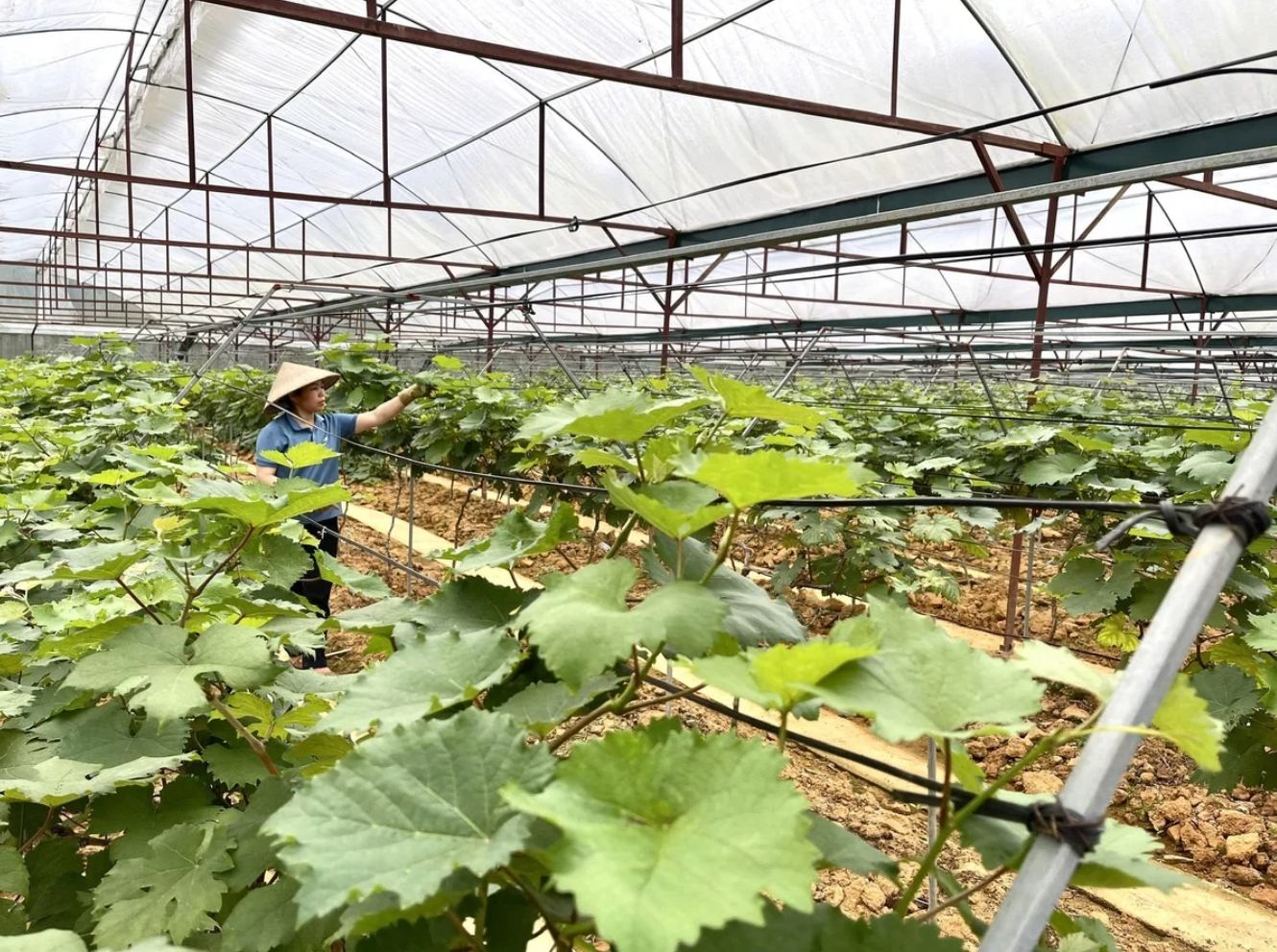
Biotechnology will be prioritized in agriculture, forestry, fisheries, processing industries, healthcare, and environmental protection. Agriculture is identified as the central focus, aligned with the province’s strategy for ecological farming, circular economy models, and carbon emissions reduction.
By 2030, Lao Cai aims to ensure that at least 20% of science and technology tasks involve research, application, and transfer of biotechnology. The province also plans to establish a provincial biotechnology research and application center and upgrade three laboratories to meet biosafety level 1–2 standards.
In agriculture, Lao Cai aims to develop at least three high-tech farming zones, alongside the selection, restoration, and propagation of at least five plant, livestock, and aquatic varieties using biotechnology.
At least 50% of key crop areas are expected to adopt certified safe production standards such as VietGAP, organic standards, and GACP-WHO.
For medicinal plants, 100% of cultivation areas must meet safety standards, and those used for pharmaceutical production must comply with WHO-recommended good agricultural and collection practices. The province aims to develop at least five medicinal and functional food products derived from indigenous genetic resources.
In parallel, Lao Cai plans to establish at least 10 bio-agriculture models linked to circular economy principles.
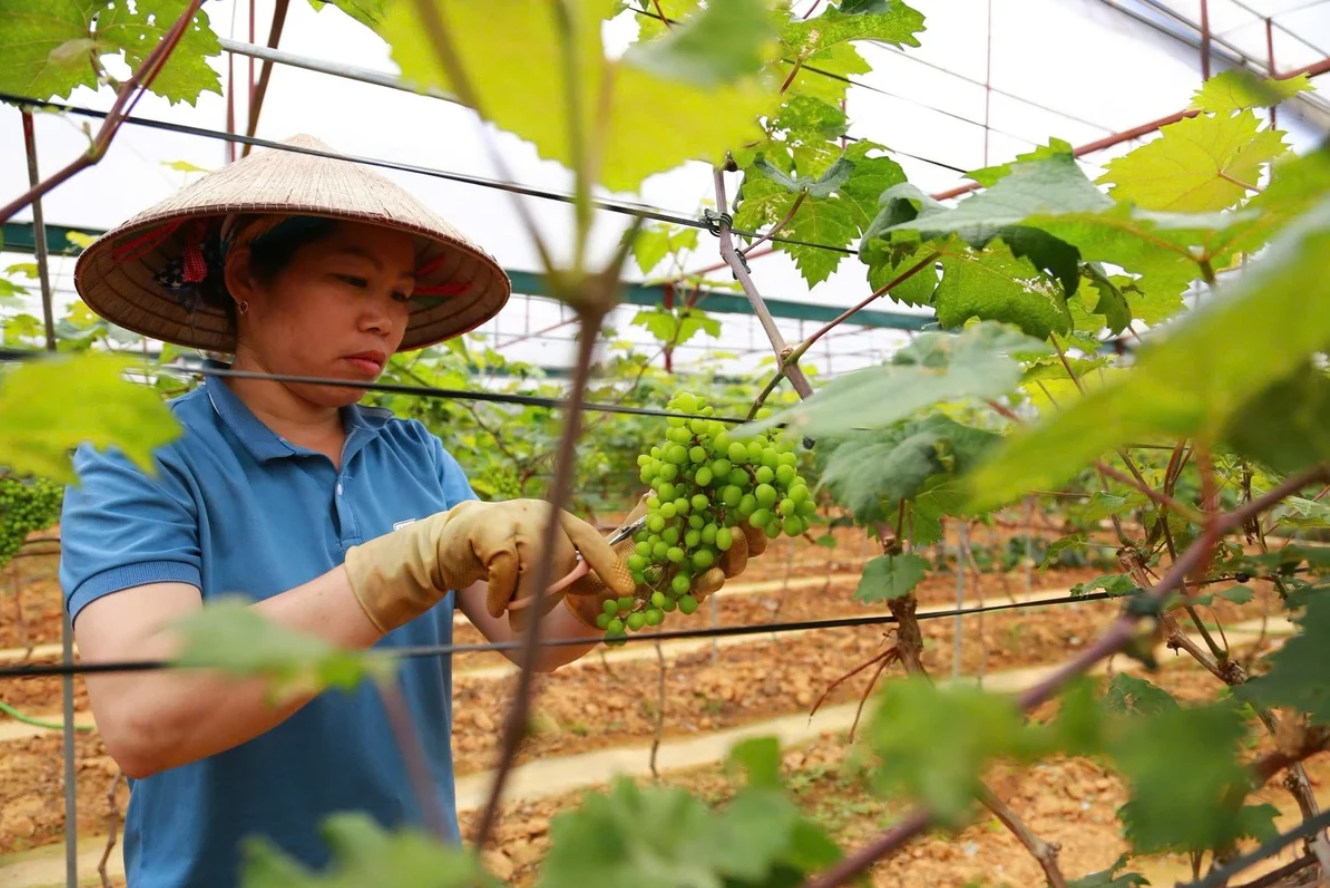
The plan also requires all large-scale agro-forestry-fishery processing facilities to apply biological solutions for by-product treatment, while around 50% of industrial zones and clusters are expected to implement wastewater treatment using biological products.
In the healthcare sector, Lao Cai aims for at least 70% of provincial-level medical facilities to adopt molecular biology techniques in diagnostics.
At the same time, the province expects at least 20 enterprises and cooperatives to participate in the development and application of biotechnology in production and business activities.
Lao Cai is targeting annual economic growth of over 10% during the 2026–2030 period, with a long-term vision of becoming a leading locality in biotechnology development and application in Vietnam’s northern mountainous region by 2045.
Thanh Nga