HCMC prioritizes freshwater storage to combat drought and salinity
HCMC People's Committee urges agencies and localities to synchronously deploy solutions against drought, water shortages and salinity in the 2026 dry season.
The Ho Chi Minh City People's Committee has just issued a dispatch requesting departments, agencies and localities to continue synchronously deploying solutions to cope with drought, water shortages and saline intrusion during the 2026 dry season amid forecasts that drought and salinity risks remain complex.
The directive was issued after specialized agencies warned that localized drought and water shortages could occur in the Southeast region during March and April. Meanwhile, saline intrusion in the Mekong Delta continues to rise during the high tides of March and May this year. These developments are assessed to potentially have a direct impact on agricultural production and domestic water sources in many areas of Ho Chi Minh City, especially suburban and agricultural production zones.
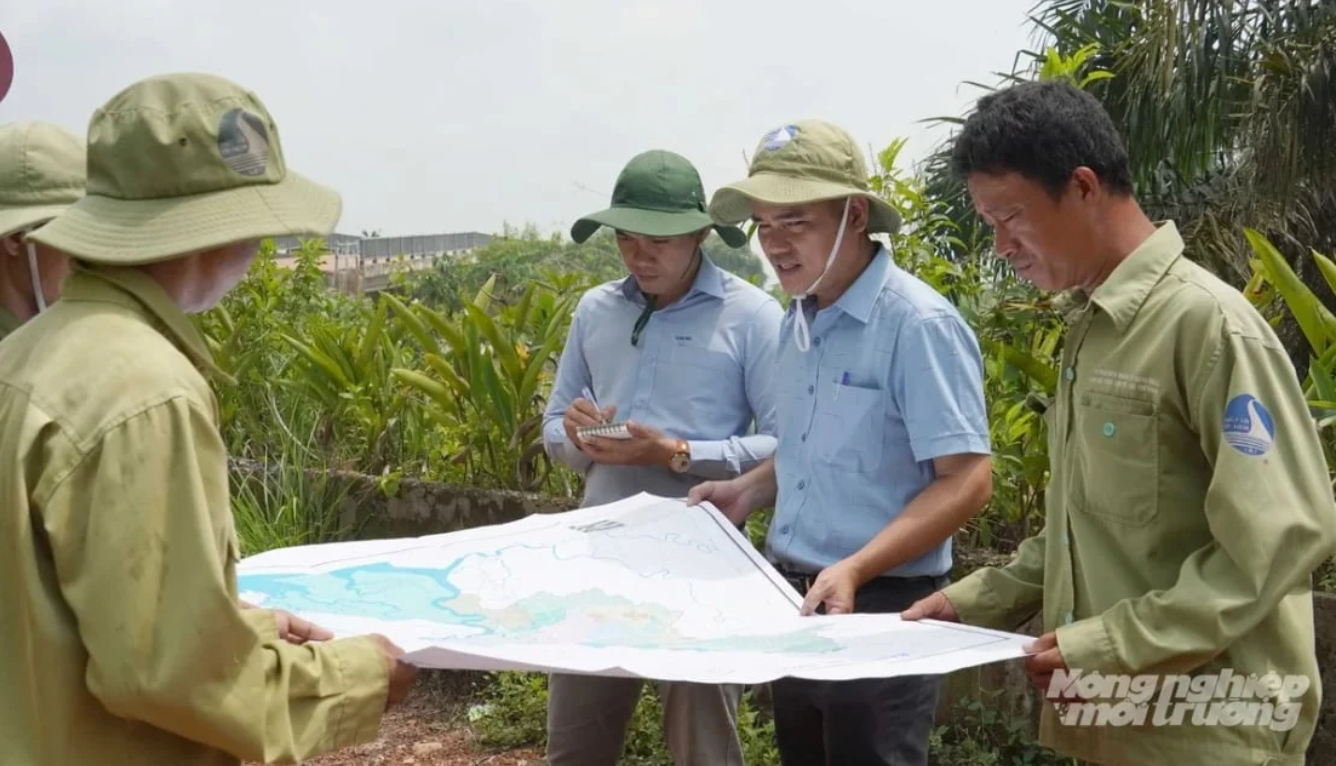
The Ho Chi Minh City People's Committee requires the Department of Agriculture and Environment to closely monitor water source developments, salinity levels and the drought situation to proactively adjust the operation plans of irrigation works. Project management units must flexibly operate the system of sluices, dams and pumping stations, prioritizing the protection of freshwater sources for agricultural production and the domestic needs of residents throughout the dry season.
One of the emphasized contents is enhancing freshwater storage in existing canal systems, ponds, lakes and irrigation works. The city requests units managing and operating irrigation works to regularly inspect the salinity-preventing and freshwater-retaining sluice system and closely monitor developments at water sources, to promptly adjust operational plans in case of unusual situations. Early water storage is considered an important solution to mitigate the risk of water shortages as the dry season peaks.
The Ho Chi Minh City People's Committee also requests localities to review all agricultural production areas at risk of water shortages, especially rice-growing areas, orchards and aquaculture zones. On that basis, localities must proactively develop appropriate water supply plans and calculate the conversion of crop structures in areas with insecure water sources to minimize damage from prolonged drought.
For units operating irrigation works, the city requests that on-duty operational forces be arranged throughout the dry season to monitor water levels and salinity and promptly handle any arising situations. Ensuring the water supply for agricultural production, especially in suburban areas, is identified as a key task in the near future.
The Ho Chi Minh City People's Committee also requires strengthening propaganda to encourage residents to use water economically and conserve domestic water during periods of declining water supplies. Media agencies are requested to increase information regarding the drought, water shortage and saline intrusion situation so that citizens can promptly grasp the issue and proactively respond.
Notably, the dispatch also sets the requirement to continue strictly implementing the plan on preventing drought, water shortages and saline intrusion issued by the city since early 2026. This is not only a proactive step to minimize damage, ensure water sources for production and daily life but also to proactively limit negative impacts that could occur if the drought and saline intrusion situation becomes more complex in the coming time.
Le Binh