FAO: Viet Nam’s livestock sector outpaces regional transformation
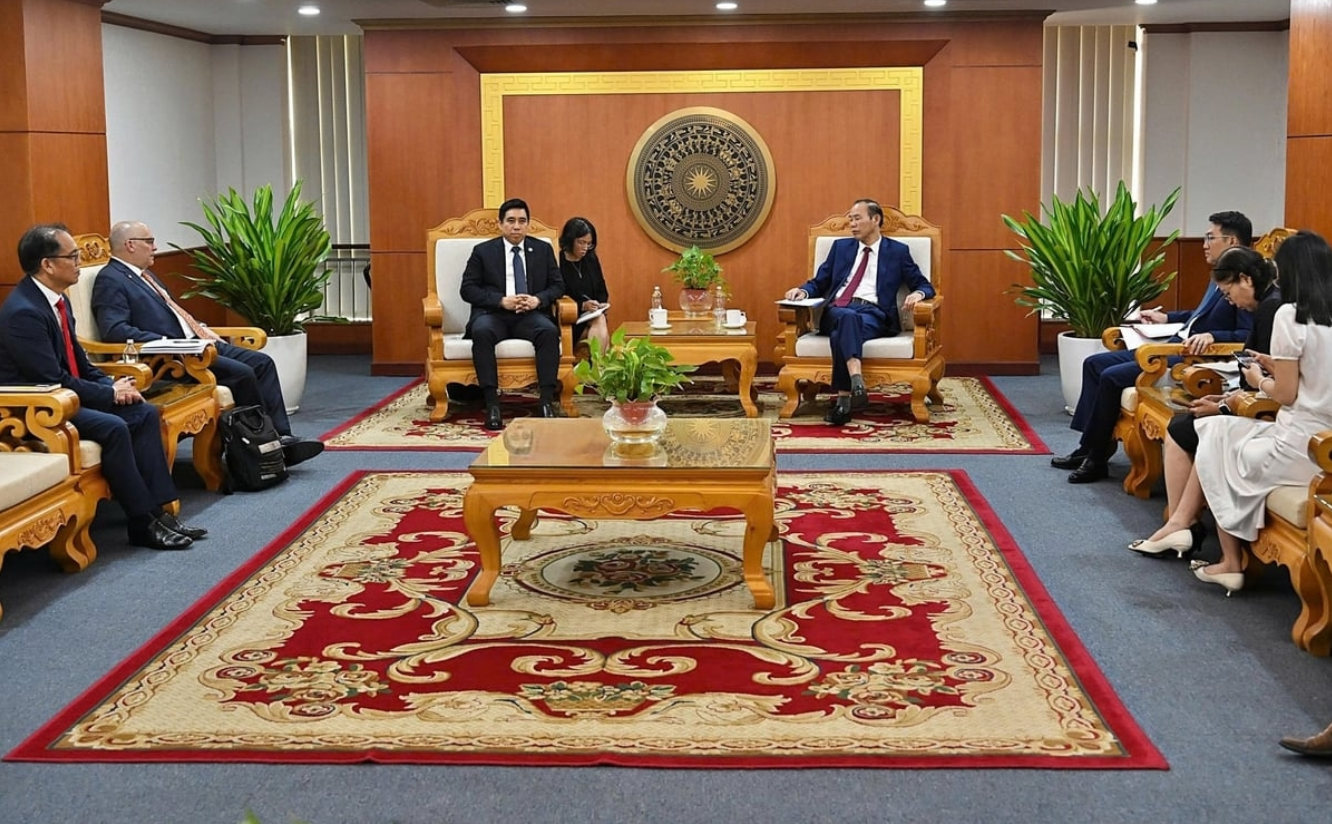
On March 24, Deputy Minister of Agriculture and Environment Phung Duc Tien met with Thanawat Tiensin, Director of the Animal Production and Health Division at the FAO.
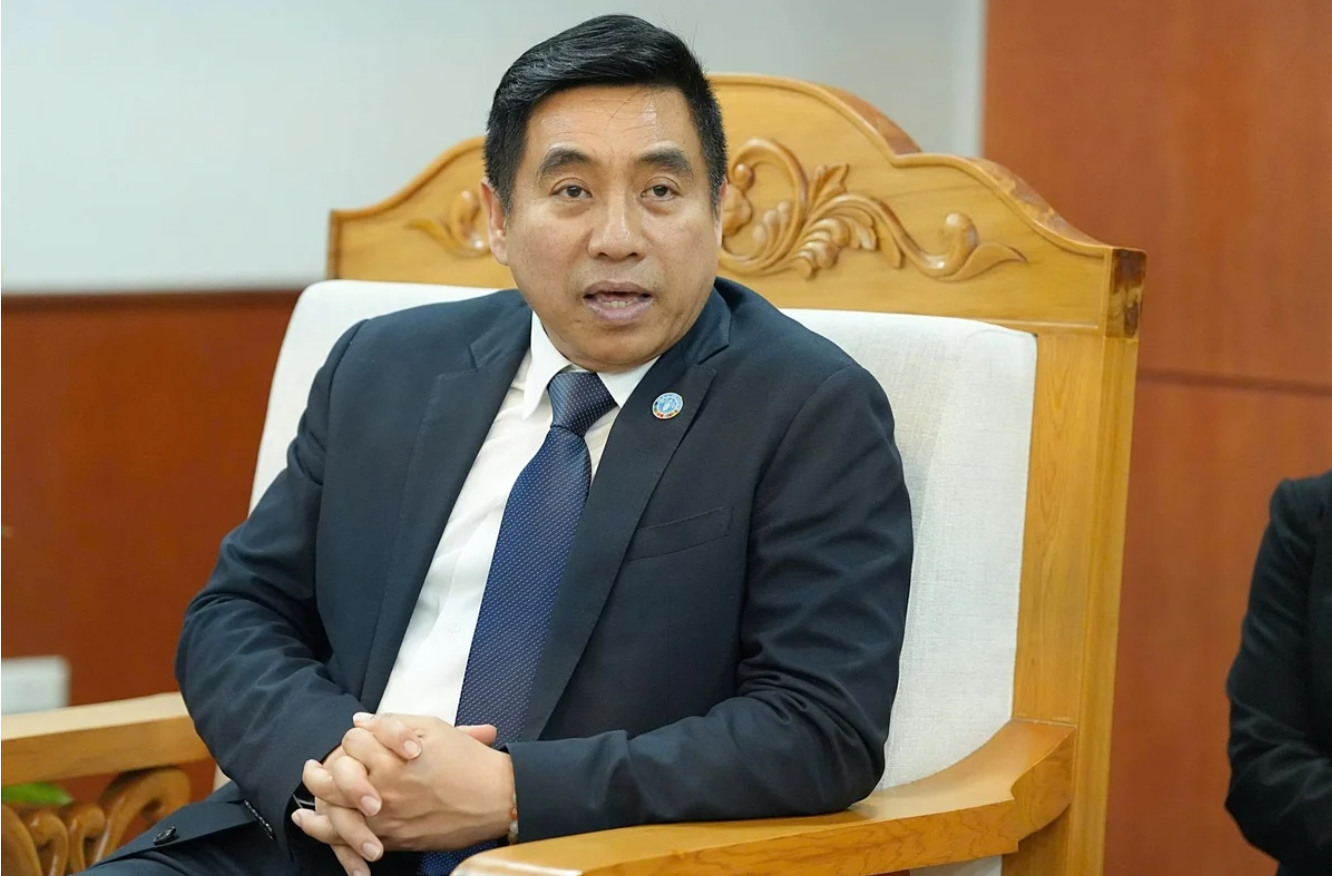
At the meeting, Thanawat Tiensin praised the strong transformation of Viet Nam’s livestock sector over recent decades, noting that the shift extends beyond the sector itself to the broader agricultural system, including food production, industry, and the environment.
According to him, Viet Nam now holds a prominent position across multiple areas. In pork production, the country ranks first in Southeast Asia and second in Asia; in dairy, it leads ASEAN; and in aquaculture, it is also among the region’s top producers. “Viet Nam has risen to number one in many commodities and production capacities,” he said.
The FAO representative said these achievements reflect effective leadership by the Vietnamese government and the agricultural sector.
He also noted that Viet Nam has made significant progress in transforming its food systems, particularly in agriculture. FAO is working closely with Viet Nam at both national and Asia-Pacific regional levels to advance this transition, especially in livestock.
Within its broader strategy, FAO focuses on four pillars: better production, better nutrition, a better environment, and a better life. In Viet Nam, not only livestock but also crop production—especially rice—has seen marked improvements aligned with greenhouse gas reduction and climate adaptation goals.
FAO is implementing a range of programs and projects in Viet Nam through international financing mechanisms, including the Green Climate Fund (GCF) and the Global Environment Facility (GEF), to promote green, sustainable agricultural production.
“Viet Nam has become an upper-middle-income country and could soon reach high-income status, positioning it to take on a leadership role at both regional and global levels,” Thanawat Tiensin said.
One example is South–South cooperation between Viet Nam and other countries in rice production. Through exchanges of experts, farmers, and experience, Viet Nam is not only strengthening domestic capacity but also contributing directly to agricultural development in partner countries.
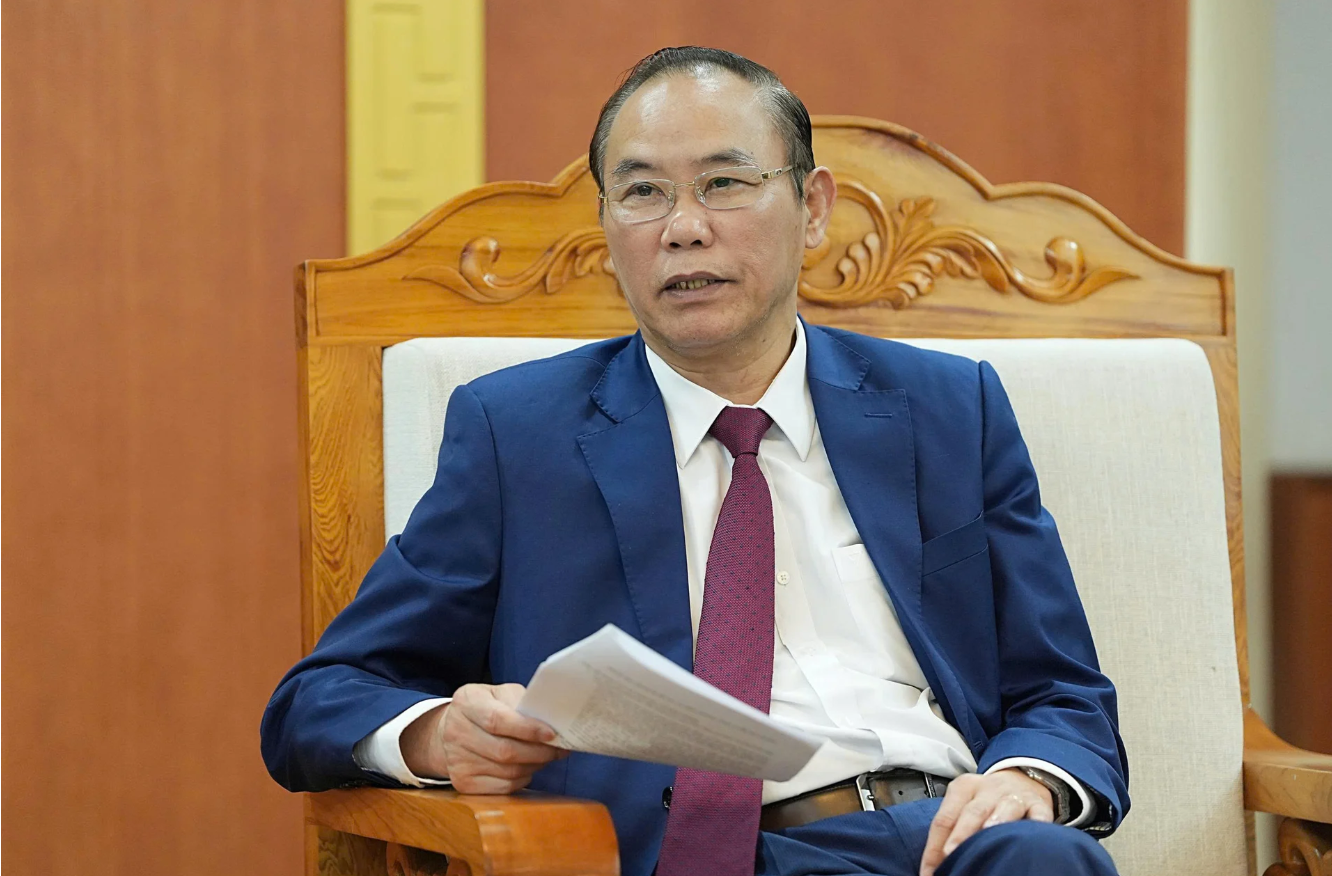
Responding, Deputy Minister Phung Duc Tien reaffirmed that FAO is a long-standing and trusted international partner, having worked effectively with Viet Nam in livestock, veterinary services, food safety, and sustainable development.
He noted that the agricultural sector not only ensures food security for more than 100 million people and around 20 million international visitors, but also contributes to global food security, with total agricultural, forestry, and fisheries exports exceeding $60 billion.
In livestock alone, output has reached approximately 8.67 million tons of meat, with production value exceeding $21 billion. Exports of livestock products have surpassed $600 million and are targeted to reach $1 billion in the near future.
The Deputy Minister stressed that these results stem from strong leadership by the Party and Government, alongside active support from international partners, particularly FAO.
FAO currently co-chairs the Animal Health Working Group under Viet Nam’s One Health Partnership Framework. In recent years, it has worked closely with the Ministry’s agencies to mobilize resources and effectively implement the One Health Plan for 2021–2025.
This partnership framework spans key areas including food safety, biodiversity conservation, livestock, veterinary services, biosecurity, disease risk control, soil and crop health, animal welfare, and antimicrobial resistance.
According to the Deputy Minister, the model has proven highly effective and has been recognized by international partners such as France, Germany, the United Kingdom, and the European Union, which view Viet Nam as a regional leader in implementing the One Health approach.
He also acknowledged FAO’s contributions, particularly through the Emergency Centre for Transboundary Animal Diseases (ECTAD) in Viet Nam, as well as the contributions of Dr. Pawin Padungtod, who has dedicated nearly a decade to supporting the country’s agricultural sector.
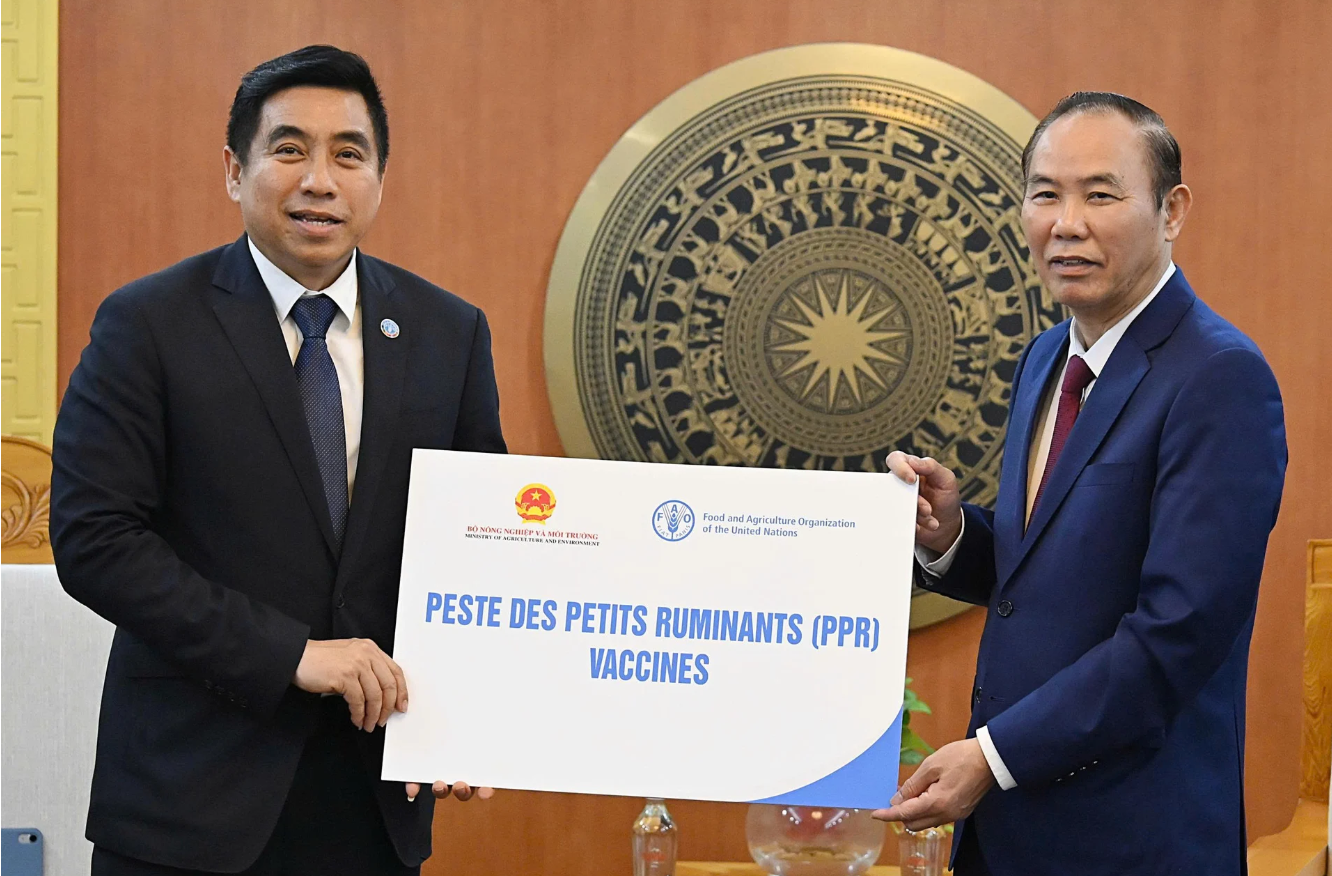
During the meeting, FAO presented vaccines against peste des petits ruminants (PPR) for goats and sheep to Viet Nam.
Looking ahead, Viet Nam aims to develop agriculture along green, circular, digital, and sustainable lines, aligned with international commitments on emissions reduction and climate change response.
The Ministry of Agriculture and Environment has committed to continued active participation in FAO-led global initiatives, including the Global Partnership Program on Transboundary Animal Diseases (GPP-TAD) and the Global Action Plan for Sustainable Livestock Transformation, while strengthening cooperation under the One Health Partnership Framework.
A new One Health Partnership Framework agreement for the 2026–2030 period is expected to be signed in Hanoi on April 24, 2026, creating a stronger mechanism for cooperation between Viet Nam and FAO in the years ahead.
Linh Linh - Bao Thang