Two U.S. trade missions head to Viet Nam to boost agritrade
Agricultural cooperation between Viet Nam and the U.S. continues to be comprehensively promoted from trading, biotechnology to food and food safety projects.
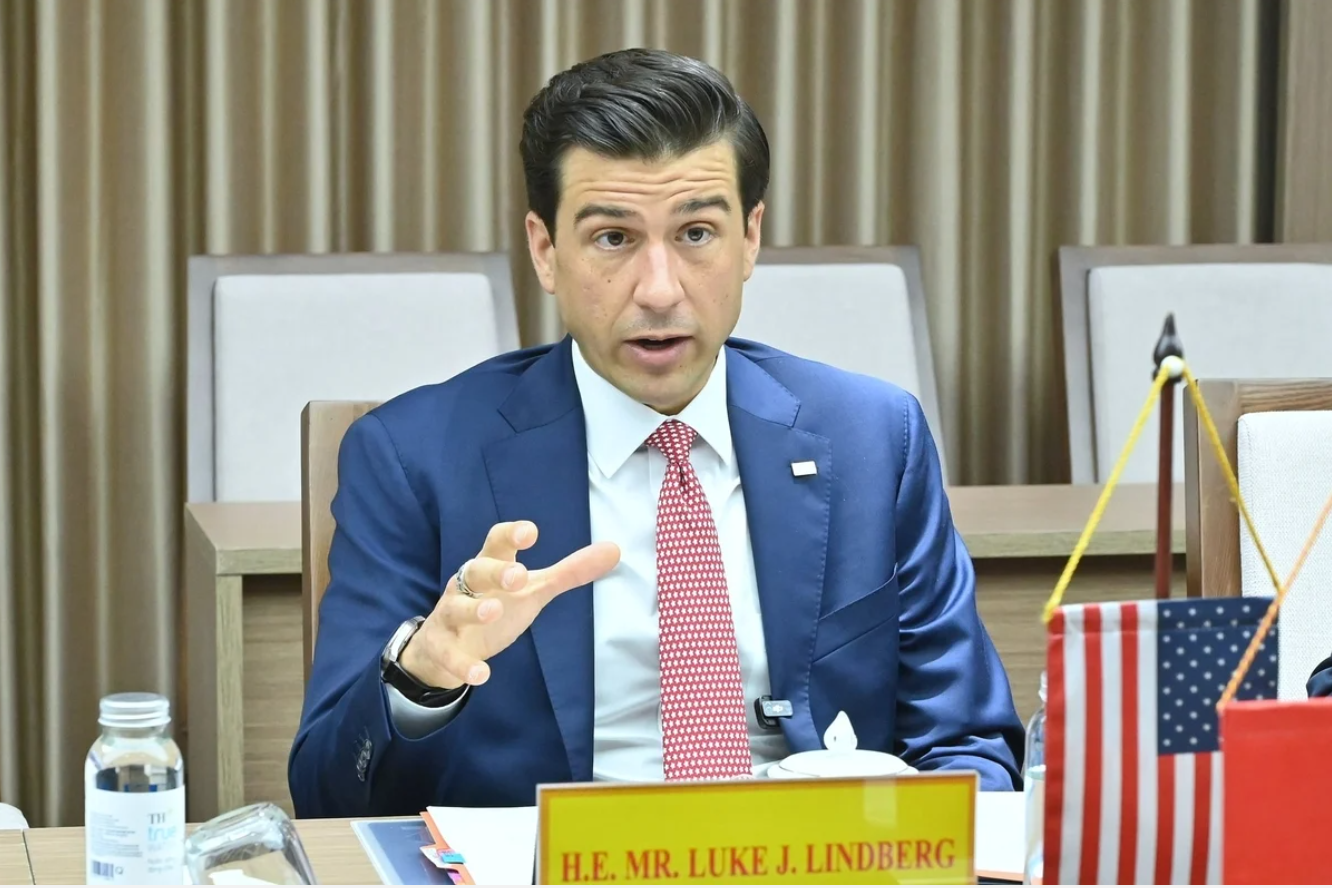
On March 25, Deputy Minister of Agriculture and Environment Hoang Trung held a meeting with a delegation from the U.S. Department of Agriculture (USDA) led by Deputy Secretary Luke J. Lindberg.
Bilateral agricultural trade continues to grow
Deputy Minister Hoang Trung acknowledged and thanked the USDA and the U.S. Department of State for their close coordination with Viet Nam to address technical barriers and open markets for trade. Bilateral agricultural trade achieved notable progress in 2025, increasing by 27% compared to 2024, particularly in furniture wood products, fruits and vegetables, and wheat.
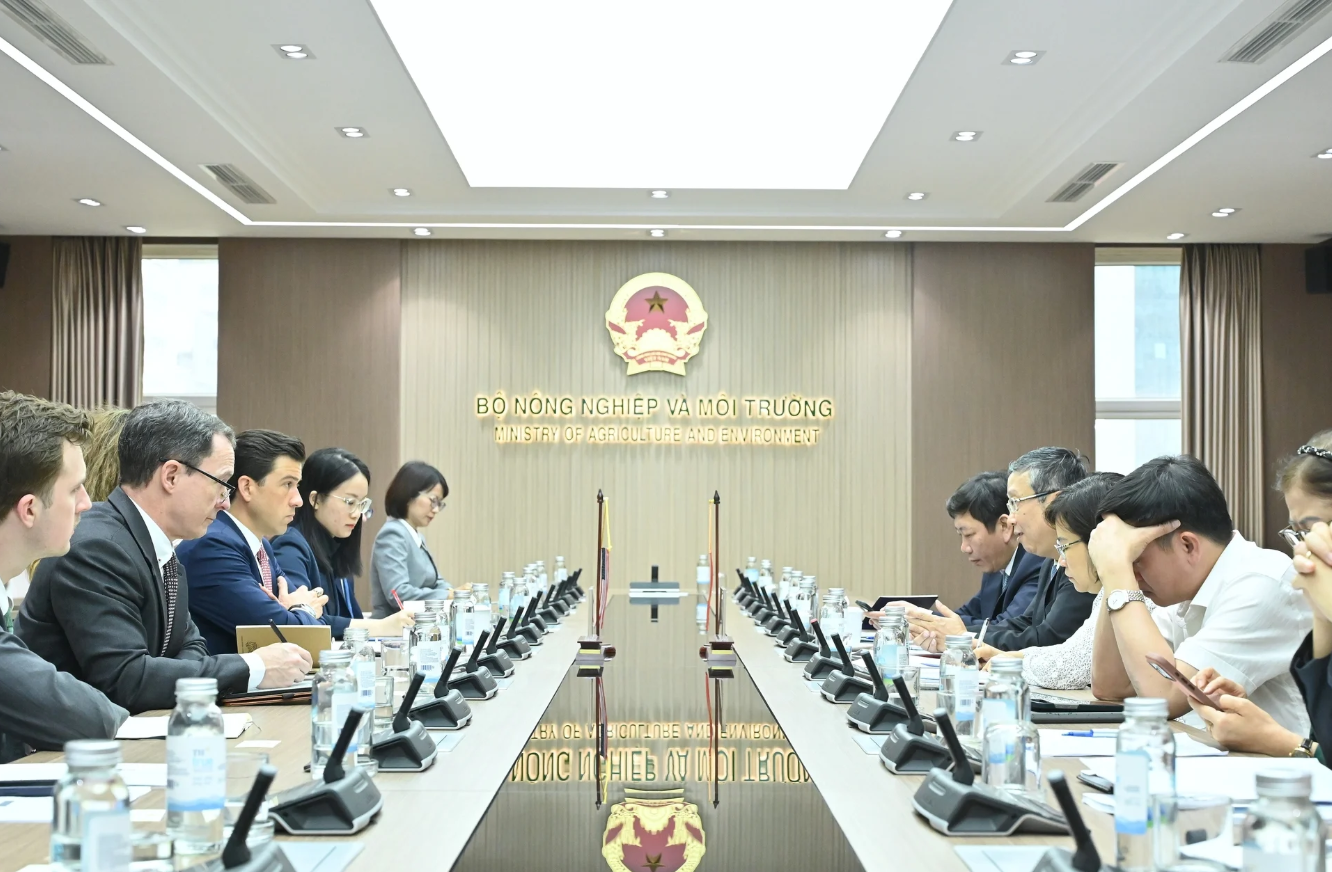
This week, 10 representatives from U.S. businesses and associations will visit Viet Nam to explore market opportunities, focusing on products such as rice, corn, and cotton, which are identified as key sectors for promoting bilateral cooperation.
Deputy Secretary Luke J. Lindberg stated: "Viet Nam is the only market hosting two trade missions this year, and I hope this clearly demonstrates our commitment to elevating the bilateral relationship based on our shared successes."
Providing updates on new food safety regulations, Deputy Minister Hoang Trung said that Viet Nam has temporarily suspended the implementation of Decree 46 to consult with stakeholders, including local authorities, associations, businesses, and embassies, to clarify and supplement regulations on imported food, ensuring feasibility and alignment with international standards.
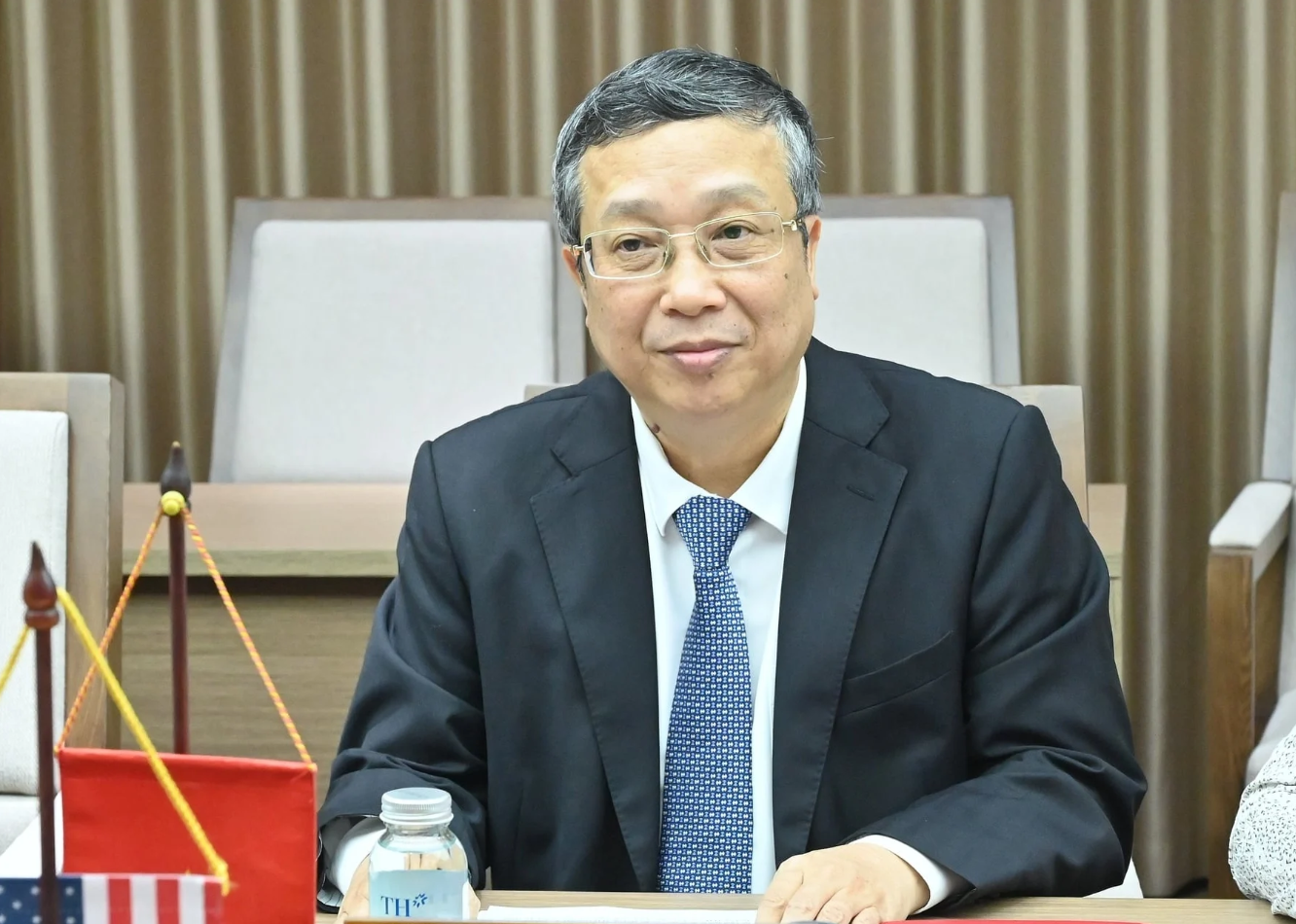
Regarding Circular 01 on the quarantine of terrestrial animals and animal products, the Ministry is continuing consultations and drafting regulations to facilitate trade, strengthen risk management, and apply flexible sampling frequencies in line with international veterinary safety guidelines.
"The Department of Animal Health and Production will continue coordinating with the U.S. to adjust regulations to both ensure disease control and provide clear guidance, creating a more enabling environment for businesses," the Deputy Minister emphasized.
Expanding fruit market access, accelerating irradiation approval
Deputy Minister Hoang Trung noted that, regarding passion fruit exports, the U.S. has completed its evaluation and is now considering expanding treatment measures for fresh fruit exports. In particular, the Ministry has proposed that the U.S. side consider approving vapor heat treatment and recognizing an additional irradiation facility for fruit quarantine.
“USDA places priority on irradiation at the top level and is committed to expediting procedures upon returning,” said Deputy Secretary Luke J. Lindberg. If approval is completed before the fruit harvest season, it would create a highly favorable window for immediate access to the U.S. market.
Viet Nam’s Department of Plant Production and Protection and APHIS held technical discussions in March to address outstanding issues and advance market access for fruit products.
Regarding biotechnology crops, the Deputy Minister emphasized that this is a major achievement of the crop production sector in adapting to climate change and ensuring productivity. Viet Nam is one of eight countries in Asia that have commercialized genetically modified crops, with a clear legal framework for research, application, and production. The Ministry of Agriculture and Environment is processing applications from businesses and international organizations transparently, providing clear timelines and procedures to help companies complete the approval process.
Providing information on Food for Progress, Deputy Minister Hoang Trung said Vietnamese agencies are working closely with two U.S. partners to take the necessary steps to implement the project quickly. He highly appreciated the program’s key objectives, including strengthening the food safety system, improving supply chain capacity and cold logistics, and expanding access to trade finance for businesses.
The U.S. Deputy Secretary of Agriculture emphasized that bilateral project programs on food safety, tilapia, fertilizers, and other agricultural commodities, coordinated directly by U.S. agencies, are being accelerated to ensure timely implementation and completion.
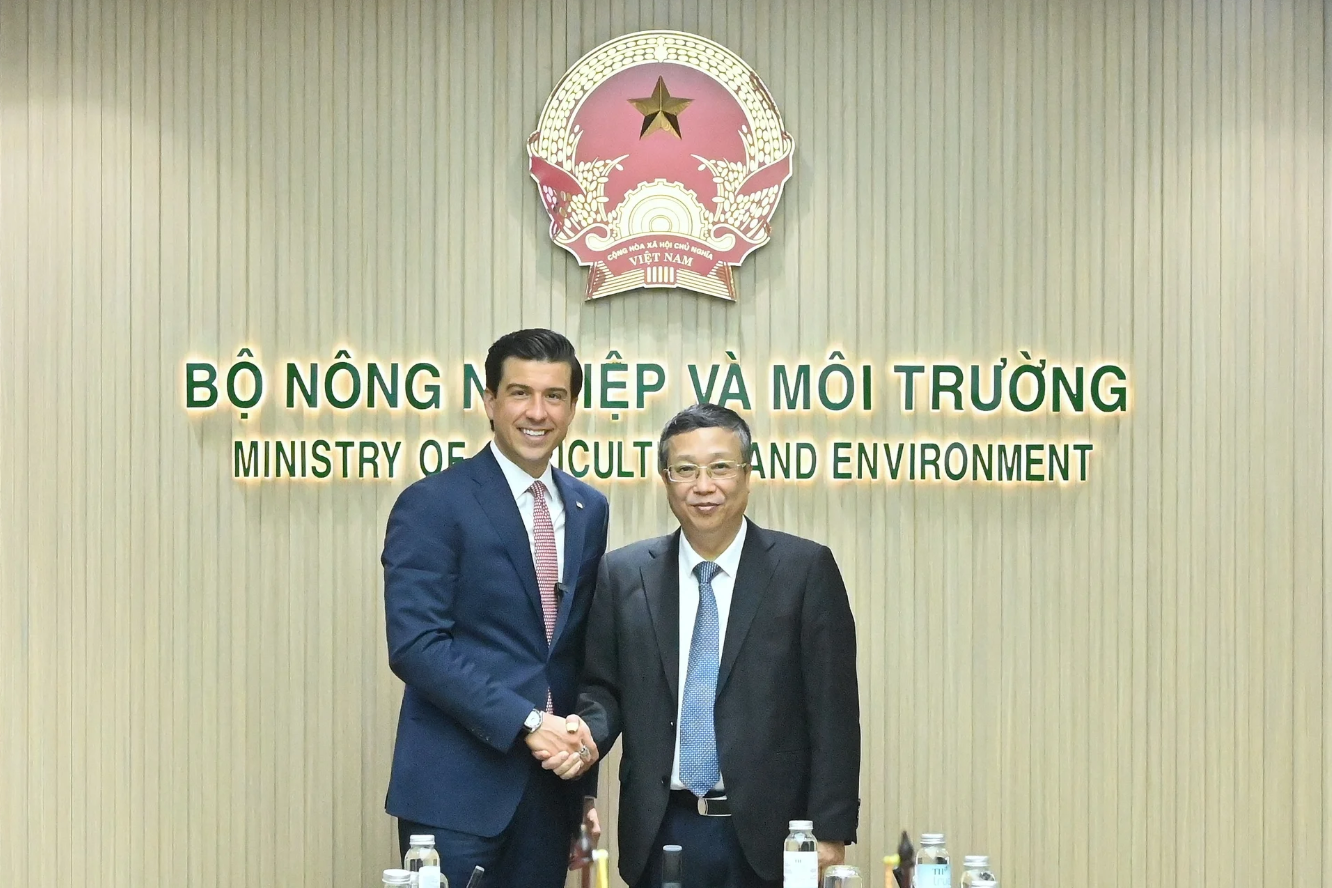
The meeting reaffirmed the commitment of Viet Nam and the U.S. to strengthening agricultural cooperation, promoting transparent trade, and ensuring consumer safety. Ongoing projects, policies, and coordination mechanisms are opening up sustainable development prospects for Viet Nam - U.S. cooperation.
Kieu Chi