Emulation Cluster No. IX of the Agriculture and Environment sector launches emulation campaign
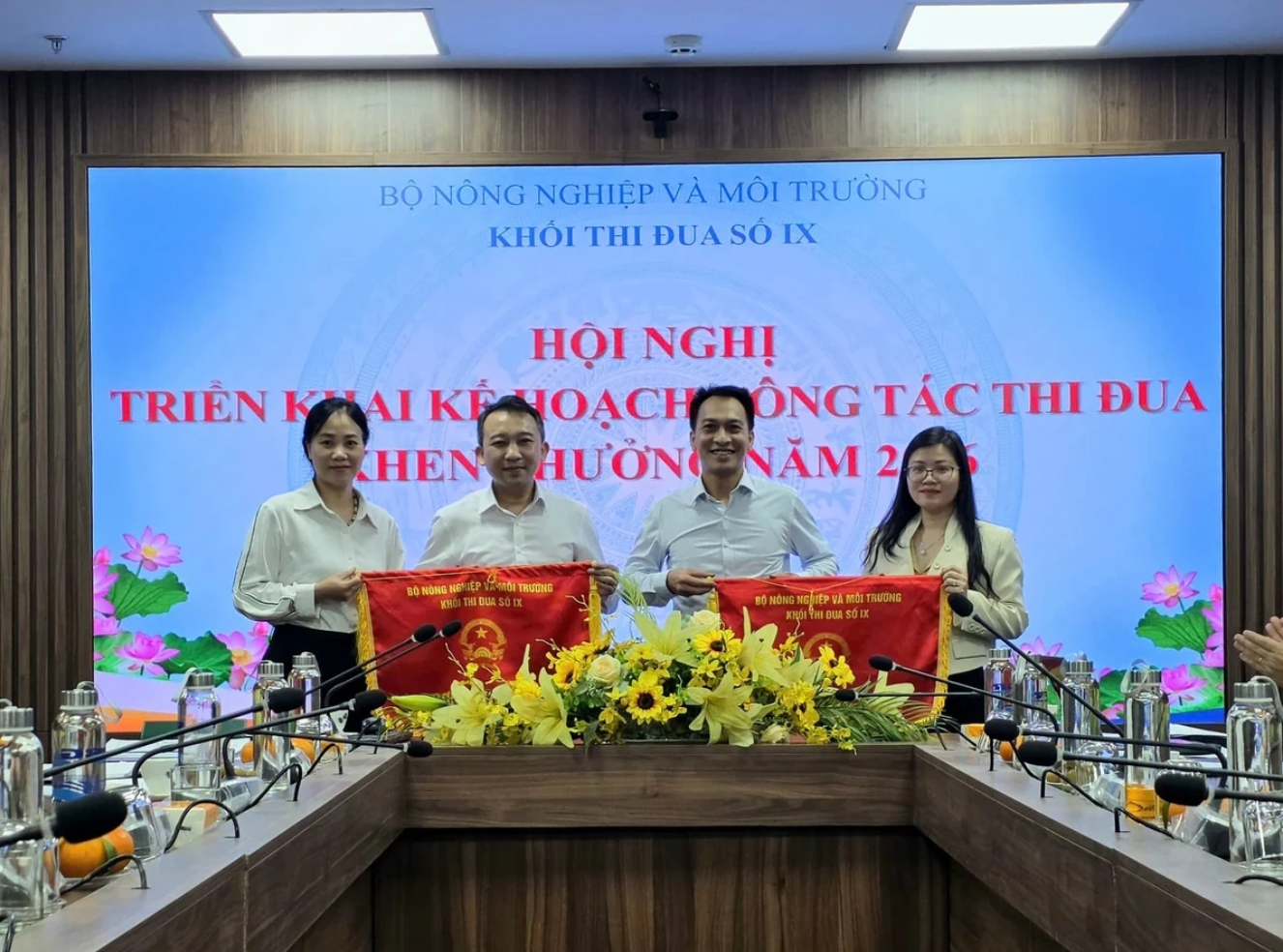
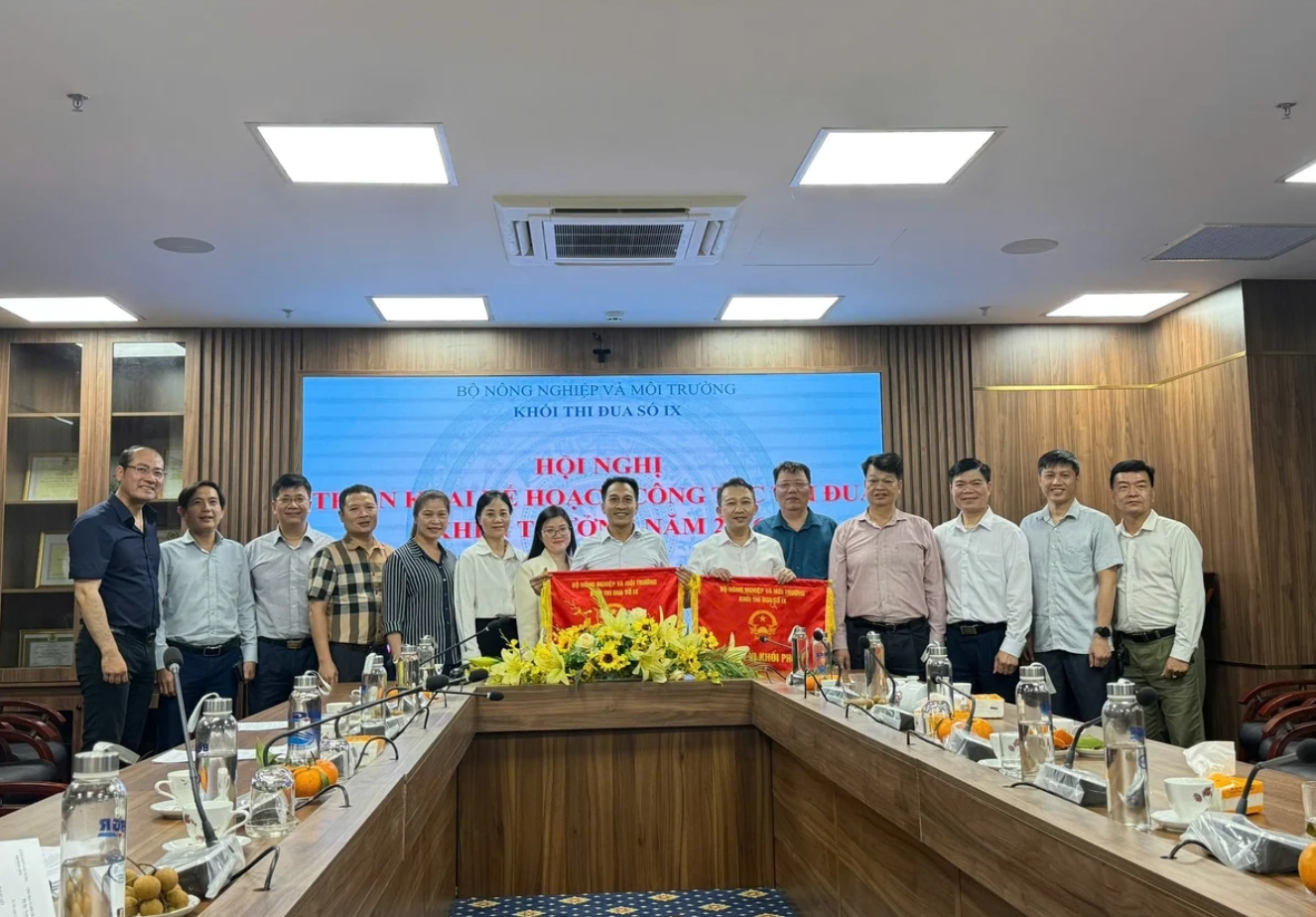
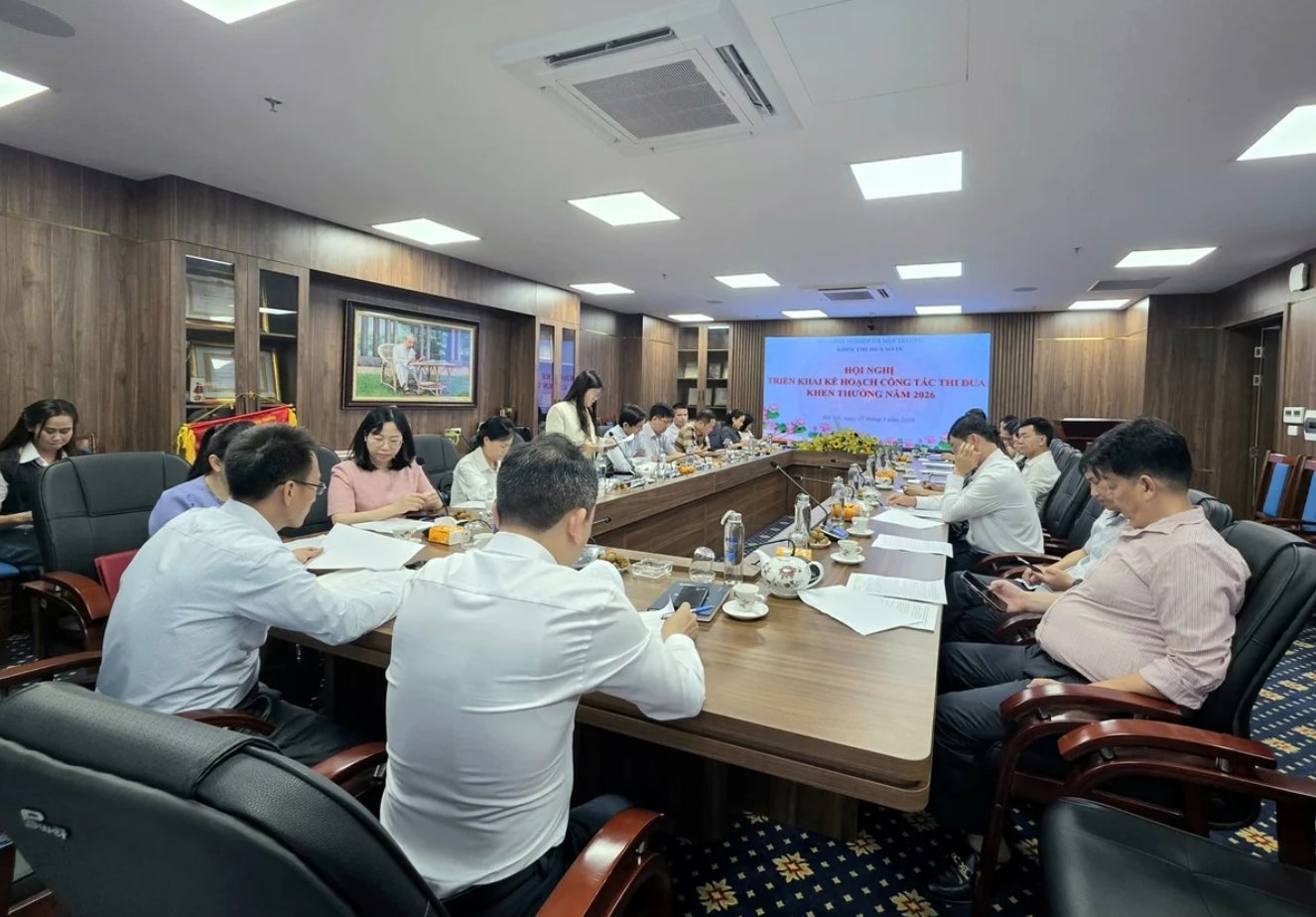
On March 25, Emulation Cluster No. IX under the Ministry of Agriculture and Environment officially launched the 2026 emulation campaign, aiming to successfully fulfill its assigned political tasks.
2026 is identified as a year of pivotal significance in the implementation roadmap of the 5-year Plan for the 2025-2030 period. In this context, Emulation Block IX under the Ministry of Agriculture and Environment has developed an operational plan and launched an emulation movement with specific and practical objectives.
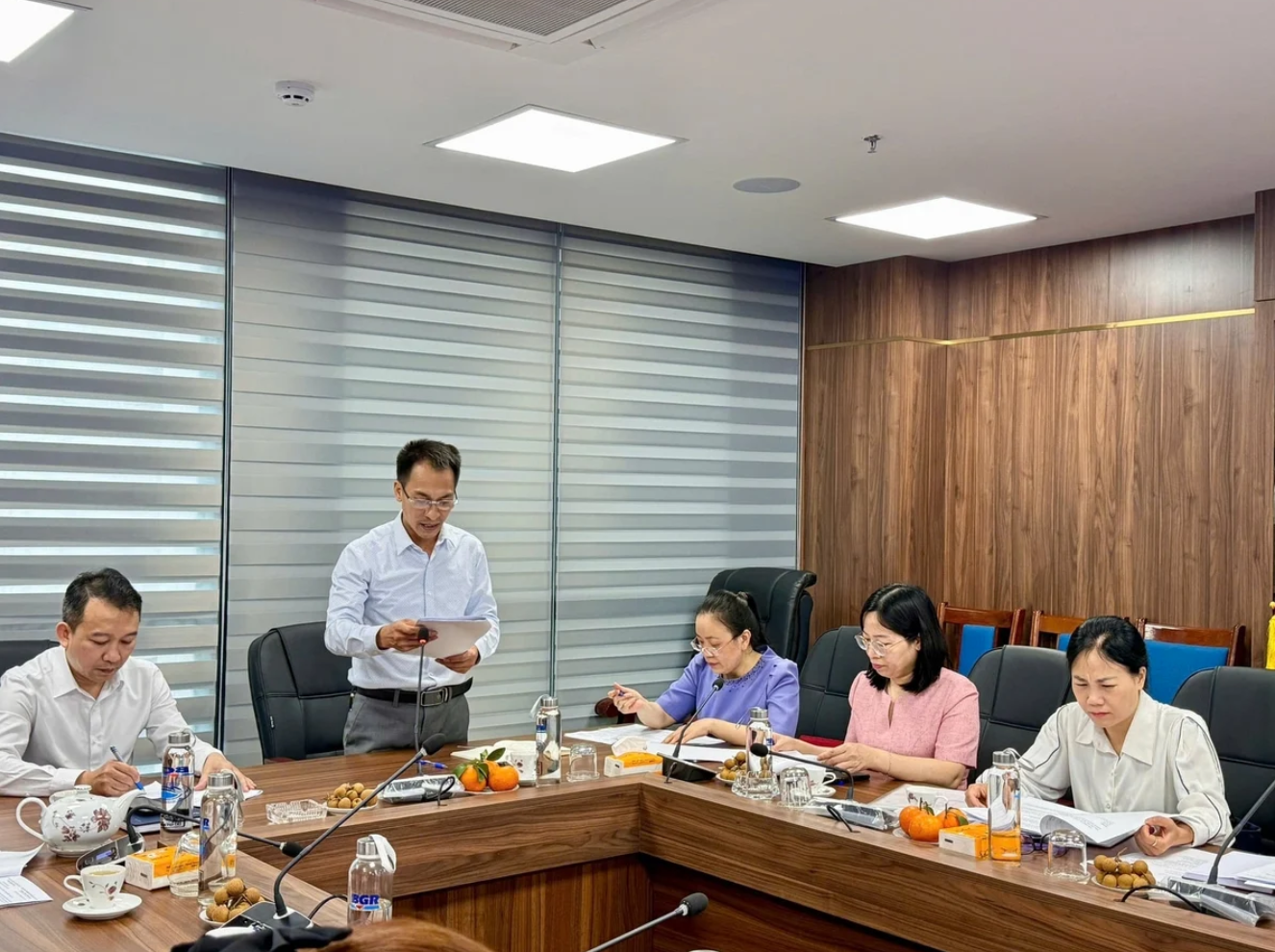
Emulation Block IX comprises 12 entities under the Ministry of Agriculture and Environment, including: the National Coordination Office for New Rural Development, the Vietnam SPS Office, the Vietnam National Mekong Committee Secretariat, and the Office of the National Council for Mineral Reserves Evaluation. The block also includes the National Office for Poverty Reduction, the National Agricultural Extension Center (NAEC), the Agricultural Trade Promotion Center (Agritrade), the National Center for Water Resources Planning and Investigation (NAWAPI), and the Center for Nursing and Rehabilitation. Completing the lineup are the Agriculture and Environment Newspaper, the Agriculture and Environment Magazine, and the National Center for Land Investigation and Planning
Speaking at the conference, Ms. Vu Thi Thanh Xuan, a representative from the Department of Personnel and Organization, noted that although 2025 was an exceptional year due to the merger of the two ministries, leaving little time for emulation blocks to officially launch their movements, individual entities remained dedicated to their core functions to successfully complete their tasks, making substantive contributions to the sector's overall mission. This serves as a vital foundation for the more systematic reorganization of emulation blocks as they enter 2026.
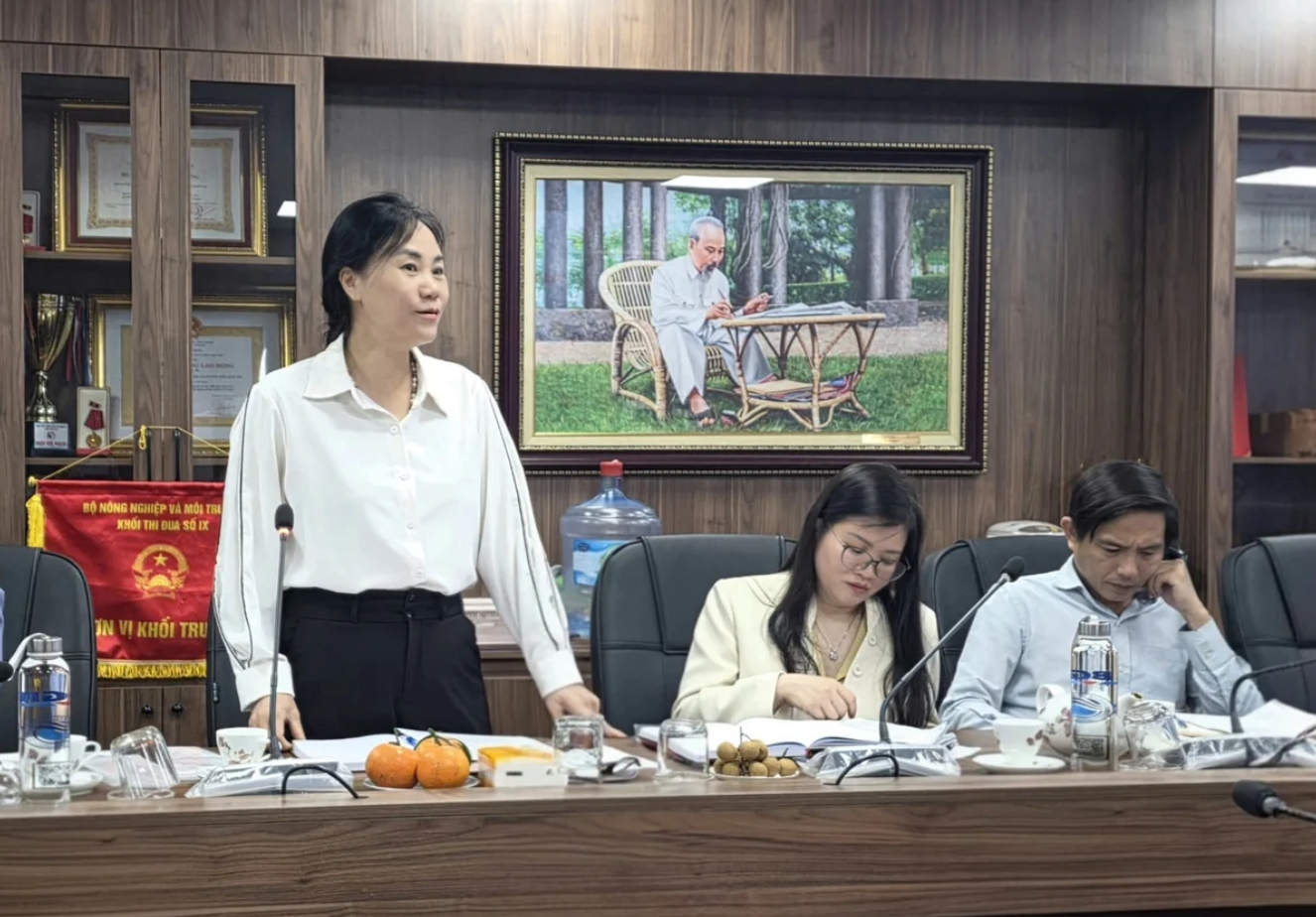
Ms. Xuan emphasized that in 2026, entities must adhere to the three pillars identified by the Central Government: innovation, digital transformation, and sustainable development. At the same time, priority should be given to identifying and scaling up advanced role models, ensuring that emulation movements gain depth and move beyond mere formality.
The 2026 emulation movement closely aligns with the sector-wide theme launched by the Minister of Agriculture and Environment: "The entire Agriculture and Environment sector joins forces to manage and utilize resources sustainably, building ecological agriculture, modern rural areas, civilized farmers, and a clean environment." This is not merely a slogan but has been institutionalized into four primary emulation groups that entities within the Block must earnestly strive toward.
The first group focuses on enhancing human resource quality, accelerating the application of science and technology, and driving both digital and green transitions. These are indispensable tasks in the current period as entities within the Block face the requirement of organizational restructuring in accordance with new functions and mandates.
The second group aims to enhance the efficiency and effectiveness of the organizational apparatus, promoting administrative reform and international integration.
The third group focuses on actively responding to major emulation movements launched by the Prime Minister, the Central Council for Emulation and Commendation, and the Minister. These include movements such as "Public officials and civil servants emulate the implementation of workplace culture," "National digital transformation," and "Promoting the development of synchronous and modern infrastructure; practicing thrift and combating waste."
The fourth group emphasizes cultural and sporting movements to improve the spiritual and mental well-being of officials, employees, and workers.
Regarding the specific operational plan, in the first quarter (Q1), the Block will organize an emulation launching ceremony and the signing of emulation agreements among member entities. The third quarter (Q3) will mark the mid-year review and the organization of sporting activities within the Block. At the end of the year, the Block will hold a year-end conference to review, evaluate, and nominate emulation titles, as well as elect the Chair and Vice Chair for the following year.
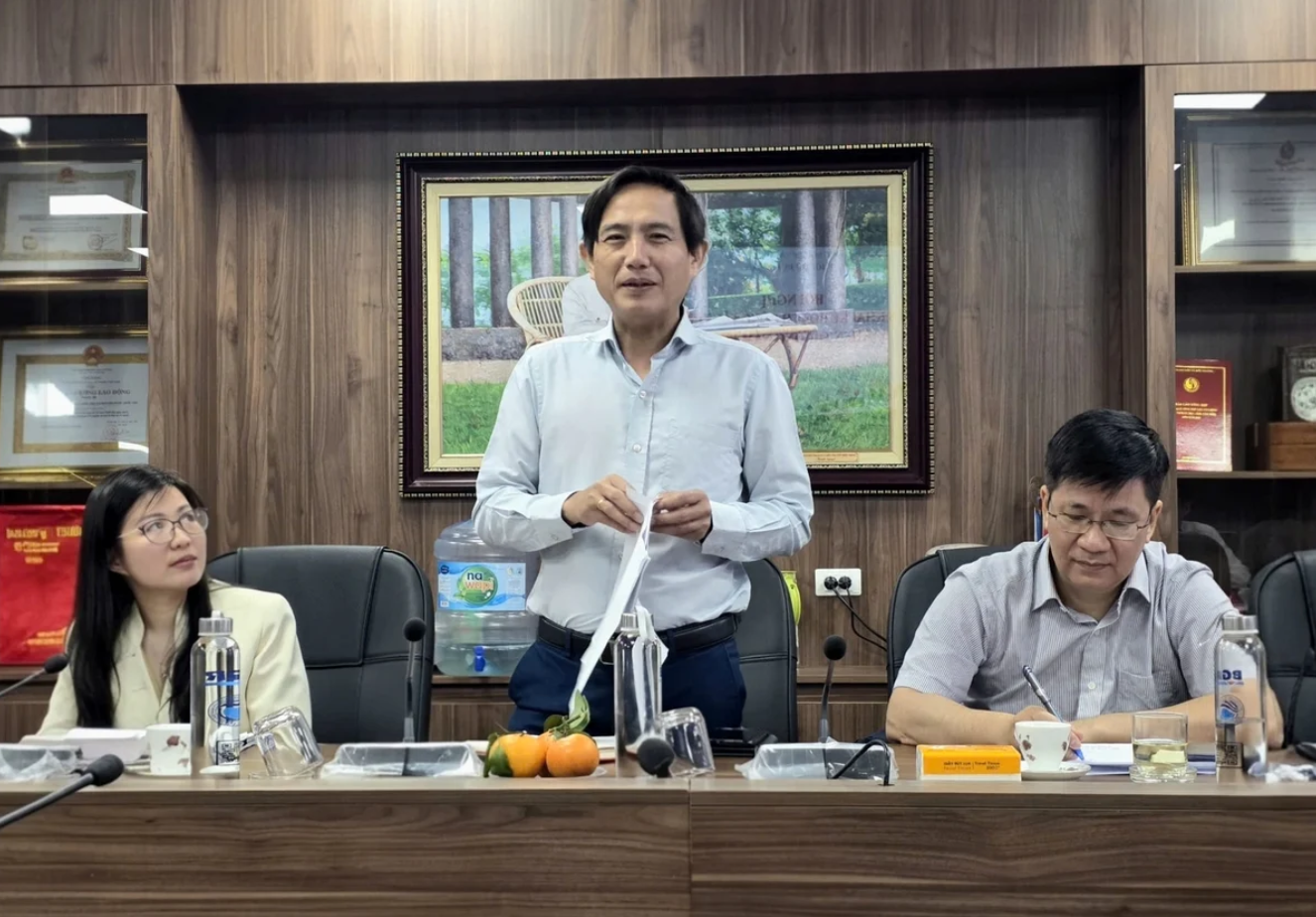
The emulation criteria are defined with high clarity. Beyond meeting and exceeding assigned tasks and targets, entities must ensure workplace discipline and order, foster internal unity, and strictly adhere to Party guidelines and State laws. Commendations and rewards must be accurate and timely, with a focus on recognizing spontaneous achievements and providing greater attention to direct laborers.
Notably, the Block clearly defines the responsibility of the heads of units in organizing and implementing movements. Instead of delegating tasks solely to specialized departments, Party committees and agency leaders are required to be directly involved. This point is emphasized in the plan, as practice shows that emulation movements only gain true depth when leaders treat them as a core personal responsibility rather than a mere administrative procedure to be completed.
With 12 entities encompassing a wide range of professional functions, from coordinating new rural development programs to water resources management, and from agricultural trade promotion to journalism and media, Emulation Block IX faces a significant challenge in creating a common bond and maintaining emulation momentum across all units. The 2026 plan has laid the foundation, but the actual results will depend on the earnest involvement of each member entity.
Nam Khanh