Greening buildings toward net-zero emissions
One of the most critical criteria for green buildings is energy efficiency, closely tied to the transition toward clean energy and the reduction of greenhouse gas emissions.
In an interview with VAN News, Douglas Lee Snyder, Executive Director of the Viet Nam Green Building Council (VGBC), said that both new developments and existing buildings must assess operational performance and establish roadmaps toward achieving net-zero emissions by 2050. Projects that fail to keep pace with this trend risk becoming obsolete within just a few years. In Viet Nam, VGBC has pioneered the LOTUS rating system, contributing significantly to greening the construction and real estate sectors.

Sir, what motivated VGBC to develop the LOTUS system - a “purely Vietnamese” set of criteria tailored specifically to the domestic construction market?
The initial motivation in 2007, when VGBC developed LOTUS, came from the recognition that no rating system can fully suit every country, as each has its own climate, legal framework, and environmental and social conditions.
We developed LOTUS based on the priority impact areas identified by the World Green Building Council, combined with Viet Nam’s construction standards to create a system that aligns with international benchmarks while remaining relevant to local conditions. At the same time, it clearly sets the direction of contributing early to climate change response.
According to the Unlocking Capital report (September 2025), WorldGBC ranks the LOTUS standard higher than LEED and EDGE for real estate investment in Asia.
In Viet Nam, the country’s commitment to achieving net-zero emissions in 2021 was truly a turning point that reshaped the market and acted as a strong “push” for the real estate sector. Both new and existing projects must assess building performance and develop emission reduction pathways. At this point, the role of LOTUS has become even more evident. It serves as a guiding tool, helping owners gradually transition and upgrade their assets, even if carbon neutrality cannot yet be achieved.
What advantages does the inclusion of LOTUS in the requirements for classifying green projects (under Decision No. 21/2025/QĐ-TTg issued by the Prime Minister on environmental criteria and the confirmation of projects under the green taxonomy) bring to certified projects?
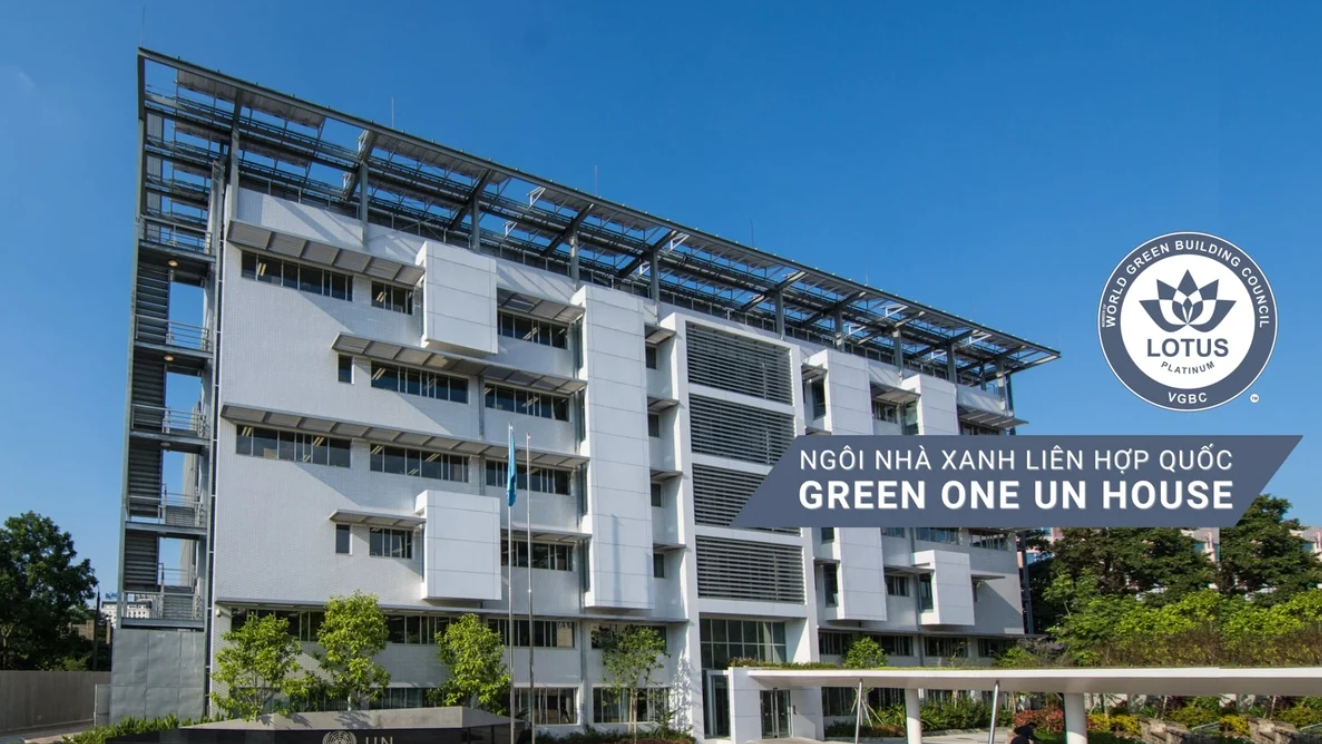
The official inclusion of LOTUS in the national green taxonomy affirms the system’s relevance and credibility. Projects that achieve LOTUS certification can access green financing and be confident that their operational performance meets ESG (Environmental, Social, and Governance) reporting requirements across multiple frameworks.
These may include green bond principles, European and ASEAN taxonomies, as well as other key international standards in sustainable finance and climate action.
This is possible because LOTUS is designed to meet core ESG criteria, including climate change mitigation and adaptation, the promotion of circular resource use, the protection of human health and biodiversity, and the enhancement of community well-being. Real estate projects - both new and existing, are thus validated for their long-term sustainability and readiness to adapt to evolving regulatory frameworks and market trends. In contrast, projects that do not keep pace with these trends are likely to become outdated within a few years.
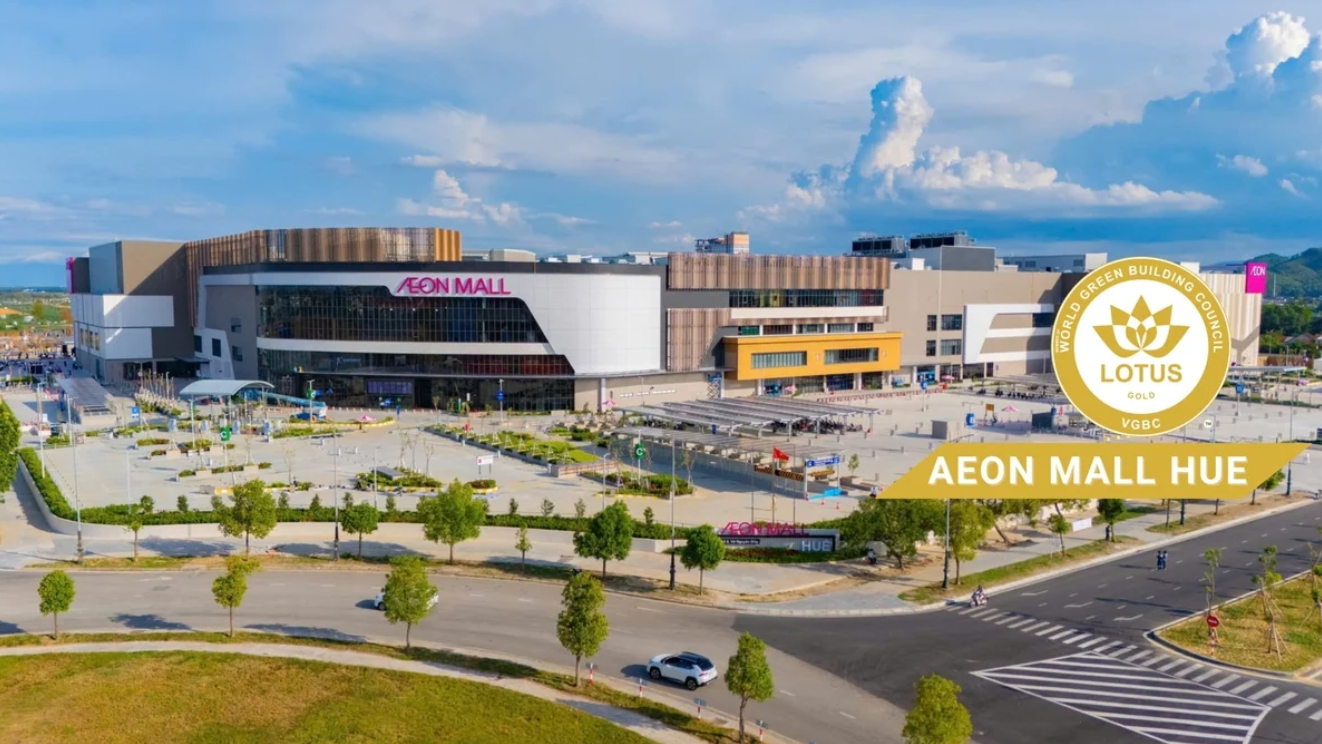
A notable example is AEON Mall, one of the major clients that applied LOTUS flood-resilience criteria to its project in Hue. During the severe floods of 2025, AEON Hue was almost the only facility that remained on dry ground while the surrounding areas were deeply flooded. This clearly demonstrates the advantages that green buildings can offer.
In 2025, VGBC launched LOTUS Version 4. How does this latest set of criteria align with increasingly stringent requirements on greenhouse gas accounting and energy efficiency?
Our latest version, LOTUS for New Construction Version 4, marks a significant upgrade in requirements for carbon management and reduction. Accordingly, all real estate projects must establish clear emission reduction roadmaps toward decarbonization by 2050.
In line with this direction, energy efficiency standards have been significantly strengthened across certification levels. Specifically, to achieve Silver certification, projects must perform at least 20% better than national standards; 30% for Gold, 40% for Platinum, and up to 50% for the Zero Carbon Ready level. These indicators are also aligned with direct and indirect greenhouse gas accounting scopes (Scopes 1 and 2) for buildings.
Beyond operations, LOTUS v4 expands to control emissions from construction materials. All projects are required to assess embodied carbon in key structural and architectural components (corresponding to Scope 3). At the same time, the system encourages lifecycle greenhouse gas assessments for entire buildings or individual materials.
Compared to previous versions, we have also raised the renewable energy criteria, allowing systems to meet up to 100% of a building’s energy demand. This means that with appropriate renewable energy systems, buildings can become fully energy self-sufficient.
In the near future, we will introduce an entirely new system: LOTUS for Zero Carbon Ready Buildings. This will be the first system focused exclusively on carbon emissions. The initial version will assess operational emissions, with later versions expanding to embodied carbon.
For investors who remain concerned about the additional costs of green buildings, what would you say about the long-term economic value and social responsibility that LOTUS brings?
In reality, concerns about increased costs for green buildings are largely a misconception. In Viet Nam and globally, additional upfront investment typically ranges from 0% to 3%, with payback periods of two to five years, mainly due to operational cost savings.
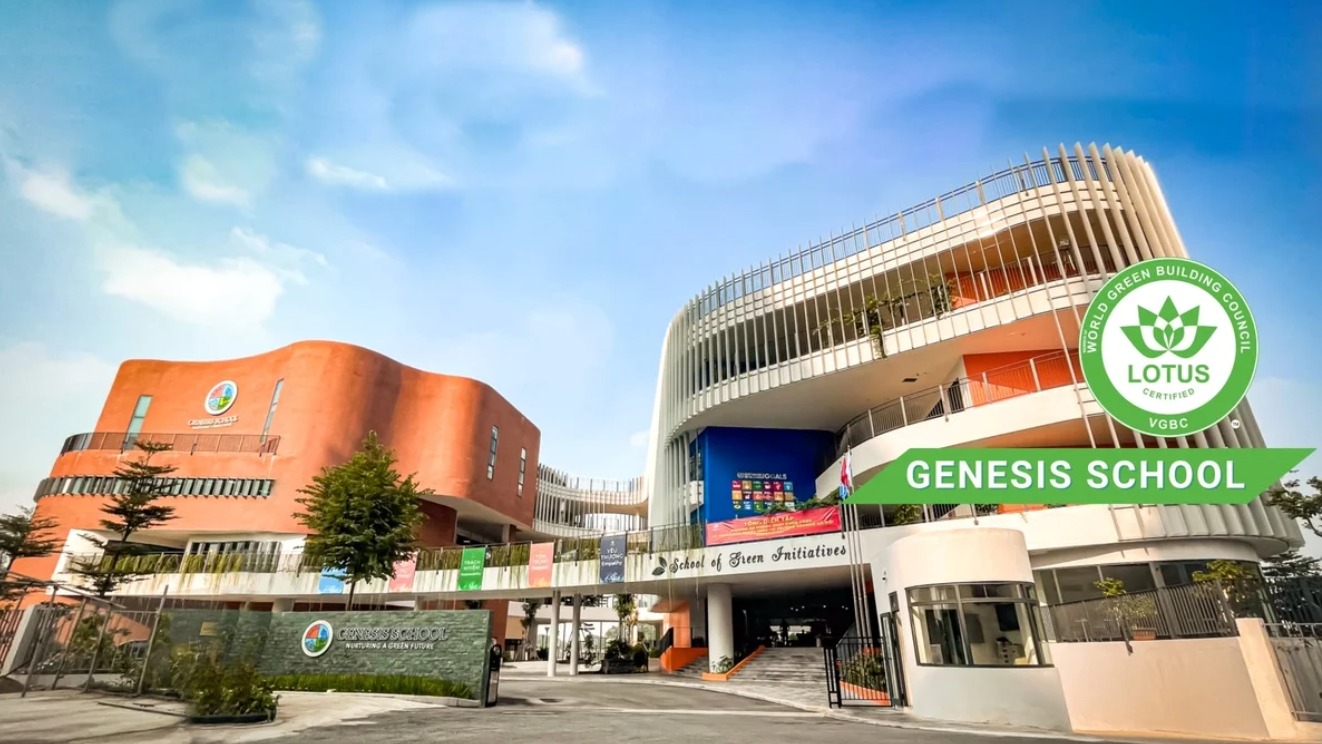
According to Savills, green office buildings in Ho Chi Minh City and Hanoi are currently achieving rental premiums of 7.5% to 8%, providing clear advantages for investors. Similar benefits are expected for other types of real estate.
In addition, indirect values such as improved marketing, higher occupant productivity, and shorter occupancy periods should not be underestimated, as they all contribute to sustainable long-term financial benefits.
Thank you!
All large-scale LOTUS buildings (over 2,500 m²), whether new or existing, are required to report monthly energy performance to VGBC for five years. Energy consumption data can be converted into carbon emissions, directly supporting greenhouse gas inventories in line with government regulations.
Khanh Ly - Nhat Tan