Viet Nam, Guangxi move toward building smart border gates
Viet Nam and Guangxi (China) agreed to strengthen cooperation in high-tech agriculture and develop smart border gates, aiming to accelerate customs clearance and enhance the agricultural value chain.
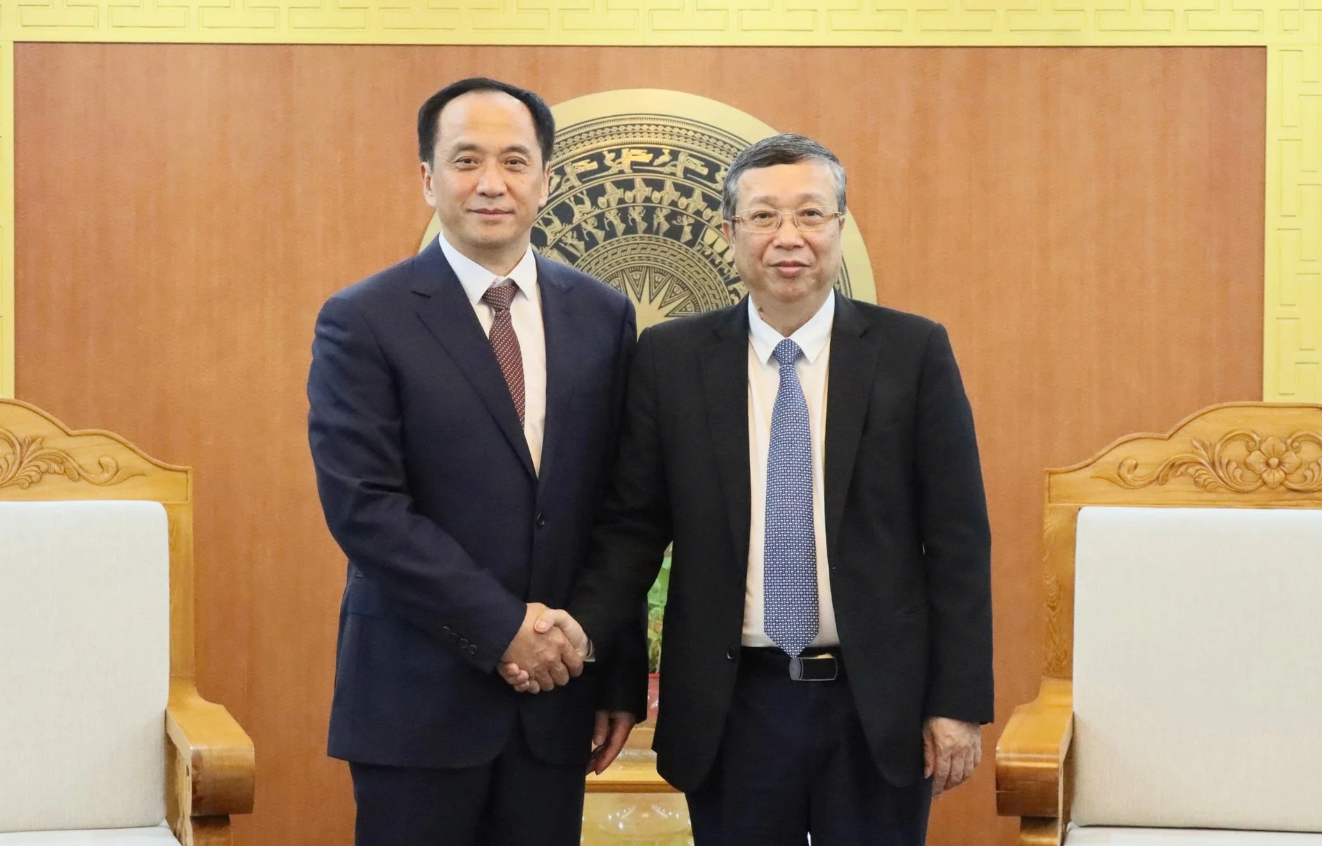
On March 26, at the headquarters of the Ministry of Agriculture and Environment, Deputy Minister Hoang Trung held a meeting with Mr. Xu Xianhui, Vice Chairman of the Guangxi Zhuang Autonomous Region (China), to promote the effective implementation of the Memorandum of Understanding on agricultural cooperation between the two sides.
The meeting focused on five key directions: developing smart agriculture; promoting agricultural trade; strengthening fisheries cooperation; enhancing disease prevention and control; and boosting science, technology, and human resource training.
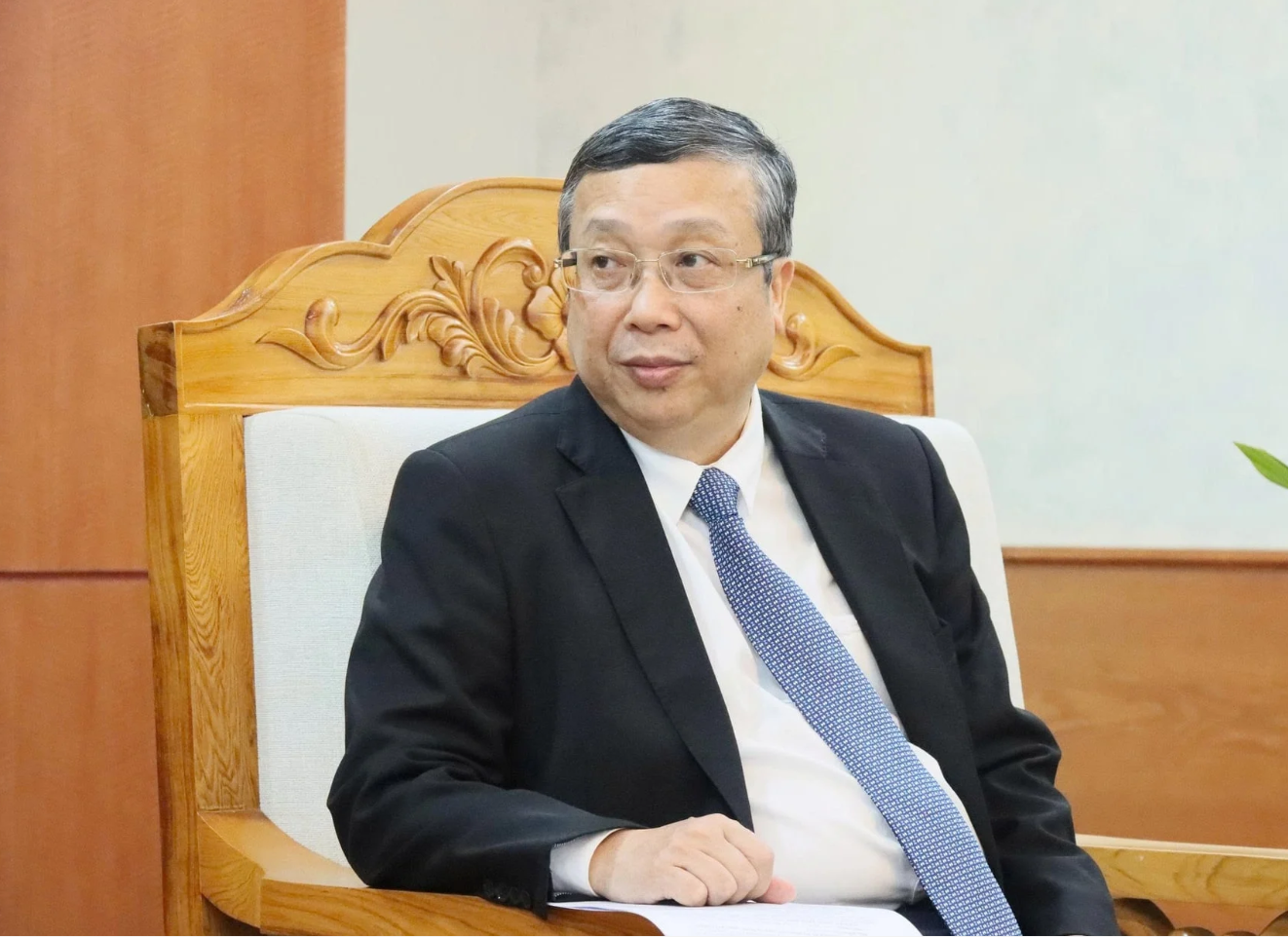
Sharing the results of a recent field survey in Quang Ninh, Vice Chairman Xu Xianhui spoke highly of the cooperation potential, particularly in high-tech livestock and aquaculture. “We see significant room for cooperation in Viet Nam, especially in projects such as multi-storey pig farming and smart aquaculture. Going forward, Guangxi aims to strongly apply AI in traceability, use unmanned drones on farms, and establish smart border gates to accelerate agricultural customs clearance,” he said.
He added that the establishment of the Mekong border research center and high-quality crop breeding experimental stations in Viet Nam reflects the close scientific and technical cooperation between the two sides.
Both sides have also maintained effective coordination in controlling animal diseases, while regularly organizing technical programs and workshops. “In the coming time, we expect to further deepen cooperation in fisheries in the Gulf of Tonkin, promote high-tech marine aquaculture, and strengthen collaboration in cross-border disease prevention and control,” he emphasized.
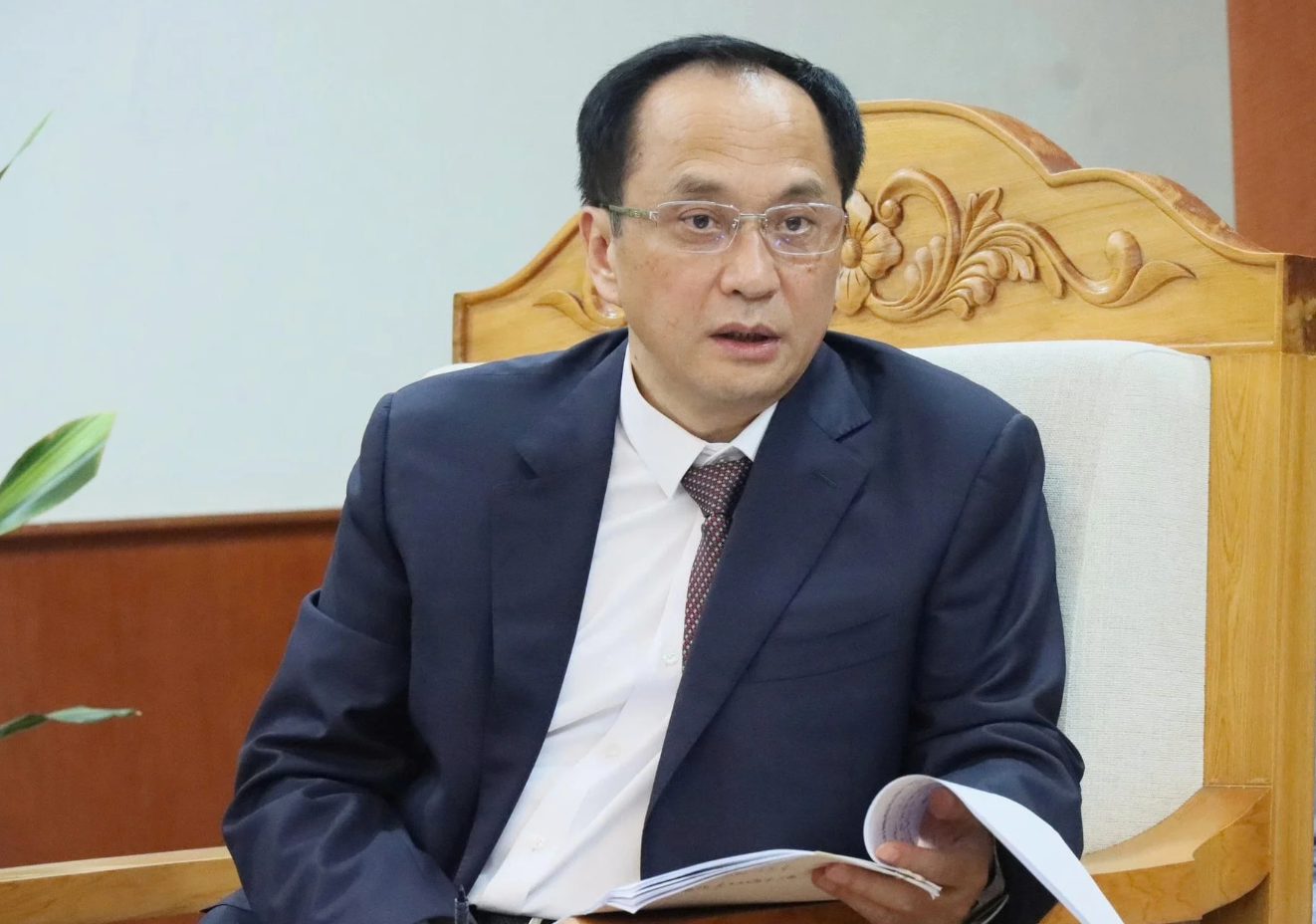
On the Vietnamese side, Deputy Minister Hoang Trung affirmed that the Ministry of Agriculture and Environment will actively coordinate to ensure that cooperation agreements are effectively implemented. He expressed interest in learning from models of unmanned farms and smart livestock systems to reduce labor intensity and improve productivity.
“Developing high-tech, unmanned agriculture is an inevitable trend to reduce labor costs and enhance productivity. Viet Nam hopes that China will share its experience, and we will soon submit formal proposals to promote concrete cooperation,” he stated.
Regarding quarantine and plant protection, the Deputy Minister proposed establishing regular information exchange channels on pests and diseases, sharing monitoring data, and transferring vaccine technologies. Viet Nam also expressed its expectation that Nanning Customs will support training on new regulations issued by China’s General Administration of Customs, as well as facilitate market access for potential products such as pomelo, avocado, and custard apple, moving toward the implementation of Authorized Economic Operator (AEO) certification to create “green lanes” for agricultural exports.
The Ministry of Agriculture and Environment also proposed establishing rapid diagnostic laboratories in border areas to enhance early detection capacity and effectively control African swine fever as well as other cross-border diseases.
“We hope to receive support from Guangxi in improving traceability systems, accelerating the issuance of planting area codes and packing facility codes, and meeting the increasingly stringent requirements of the Chinese market,” Deputy Minister Trung stated.
At the conclusion of the meeting, both sides agreed to report to higher authorities to expedite the implementation of smart border gate models, creating new momentum for a more modern and efficient Vietnam - China agricultural supply chain.
Phuong Linh