Fuel-saving devices captivate fishermen
Surging oil prices driven by conflicts in the Middle East have pushed up offshore operating costs, prompting many fishermen to adopt fuel-saving technologies to cut expenses and continue fishing at sea.
Surging fuel prices, driven by escalating tensions and conflict in the Middle East, are placing significant pressure on fisheries operations, particularly on offshore fishing fleets.
Currently, diesel prices hover around VND 38,000/liter following the March 25 price adjustment. Although prices have recently declined sharply, they remain considerably higher than before global oil prices surged due to the Middle East conflict.

Amid steadily rising input costs, many fishermen are being forced to recalculate each offshore trip, with some vessels even remaining docked due to an inability to sustain operations. However, alongside these challenges, a number of fuel-saving solutions developed by domestic companies are being adopted by fishermen as a way to ease cost pressures and continue venturing out to sea.
According to Mr. Tran Thai Son, Director of Hiep Luc Phat Trien Viet Co., Ltd. (SDVICO), shortly after fuel prices surged, orders for fuel-saving devices increased markedly. In just the past two weeks, the company has received around 50 new orders and is accelerating production to meet delivery timelines for fishermen.
“Currently, orders are rising faster than usual. Within just two weeks, we have about 50 units in production. The company is making every effort to complete them as quickly as possible so they can be delivered to fishermen at the earliest,” Mr. Son said.
Fuel has always accounted for the largest share of costs for each fishing trip, and it has now become an even heavier burden as oil prices climb. According to Mr. Nguyen Dinh Ngoc (Vung Tau Ward, Ho Chi Minh City), offshore fishing vessels can consume between 5,000 and 10,000 liters of fuel per month. When fuel prices rise sharply, even a small percentage of savings can generate significant economic benefits.
Mr. Ngoc’s two-boat fleet, which regularly operates offshore, has been using SDVICO’s fuel-saving devices for many years. Over time, he has observed clear efficiency gains.
“We fishermen don’t rely on advertising, we measure the results ourselves. We learn from other boat owners, go on multiple trips, and test repeatedly before deciding to invest. With the device, the minimum fuel savings is around 5%, with some vessels achieving 7-10%. Once we see the effectiveness, we recommend it to others,” Mr. Ngoc said.
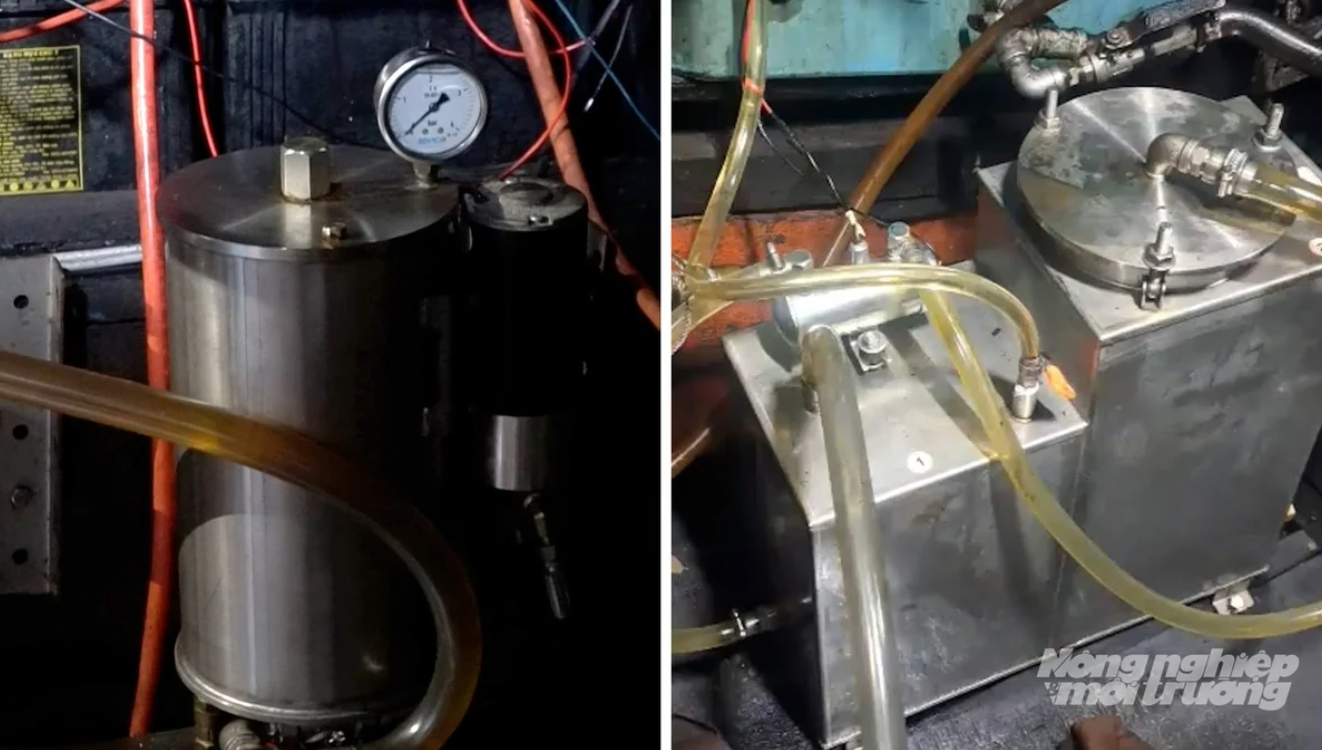
To date, thousands of SDVICO’s fuel-saving devices have been installed on fishing vessels across Ho Chi Minh City and provinces such as An Giang, Vinh Long, Ca Mau, Khanh Hoa, Lam Dong, and Gia Lai (post-merger), among others. According to a company representative, current demand is concentrated mainly in the Mekong Delta region, where large fishing fleets operate frequently. Provinces like Dong Thap and An Giang are seeing the highest number of orders, particularly from vessels with high fuel consumption.
The solution package consists of two main components: a new material added to lubricating oil to ensure smoother engine operation, and a fuel additive designed to optimize combustion efficiency. As a result, engines run more smoothly, consume less fuel, and achieve greater durability. Many crew members have even noted improved onboard conditions, with quieter engines making sleep more comfortable and reducing heat in the cabin - an unexpected benefit that highlights how the technology not only cuts costs but also improves working conditions at sea.
“Vessels with higher fuel consumption are the first to invest. Some boats using around 2,000 liters per trip are still considering, but those consuming thousands of liters per month decide very quickly because the efficiency gains are clear,” Mr. Son said.
The fuel-saving device is currently priced at approximately VND 9.9 million/unit. According to Mr. Son, this is a newly upgraded version with comprehensive improvements over previous models. Notably, SDVICO has recently localized production, helping reduce costs while maintaining performance.
“Previously, many components had to be imported, which made the price higher. Now we have localized production and improved both the mechanical design and internal structure, resulting in lower costs and more stable performance,” he added. To date, the company has sold more than 500 units of the new version to fishermen across various localities.
According to company estimates, if a vessel uses around 2,000 liters of fuel/trip, saving just 5% would reduce consumption by about 100 liters. In the context of rising fuel prices, such savings can significantly lower operating costs, allowing fishermen to recover their investment in the device after just a few trips.
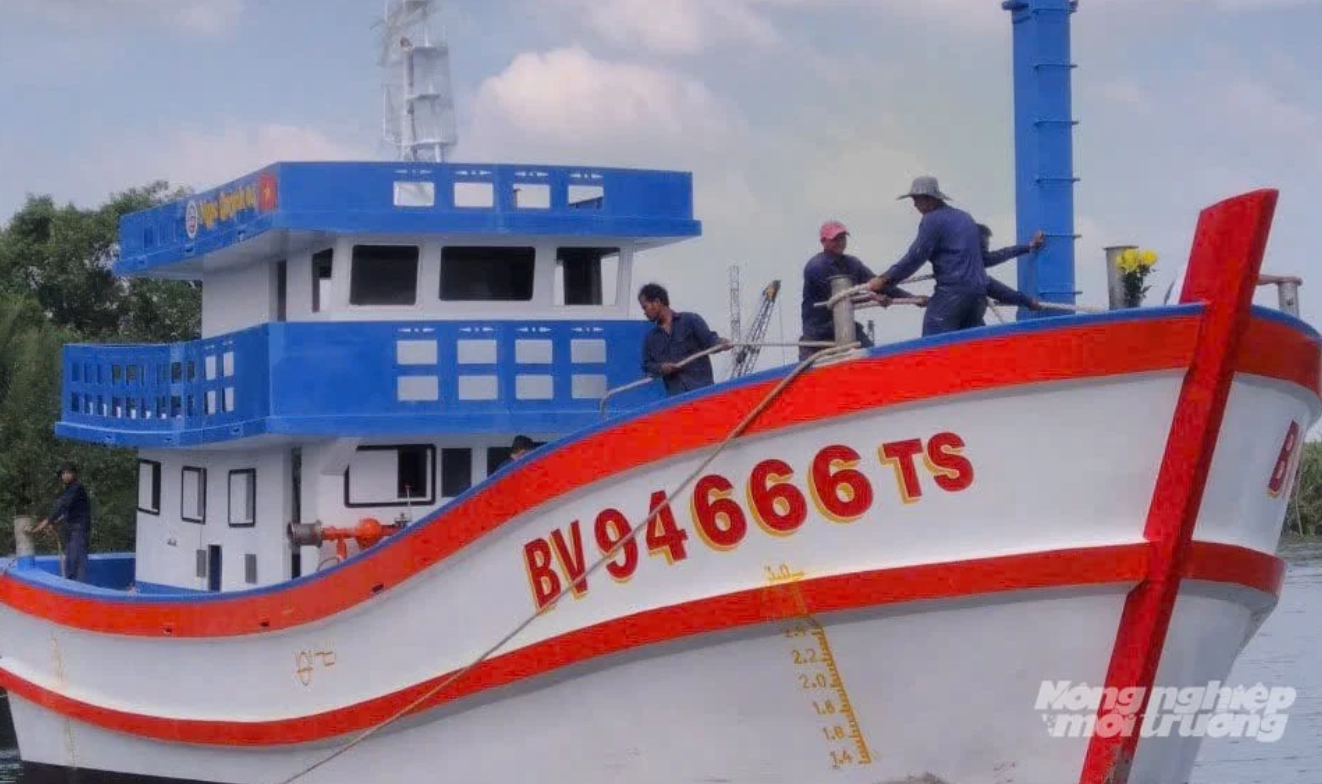
“Fishermen calculate very carefully. If they can save 5-10% on fuel, the amount of money reduced is substantial. Many say that even that level of savings already makes a big difference, especially as fuel prices are surging as they are now,” said Mr. Nguyen Van Ton, Vice Chairman of the Ho Chi Minh City Fisheries Association.
Beyond efficiency, the company has also designed the device to be simple and easy to install, allowing fishermen to use it themselves without incurring additional costs. According to Mr. Son, the company’s primary goal is not merely to sell products but to help fishermen ease cost pressures and sustain their fishing activities.
“We design the device so that fishermen can install it themselves, without requiring complex technical skills. Most importantly, we want to help them reduce costs and continue going out to sea during this challenging period,” Mr. Son said.
Amid strong fluctuations in fuel prices driven by global developments, fuel-saving solutions, though modest, carry practical significance for fishermen. By lowering costs, each fishing trip becomes less risky, helping fishermen sustain their livelihoods, remain at sea, and maintain stable production during this period of volatility.
Le Binh