Da Nang accelerates waste treatment projects amid mounting garbage pressure
Facing the risk of waste overload, Da Nang urges faster progress on waste treatment projects to ease pressure on the city’s current system.
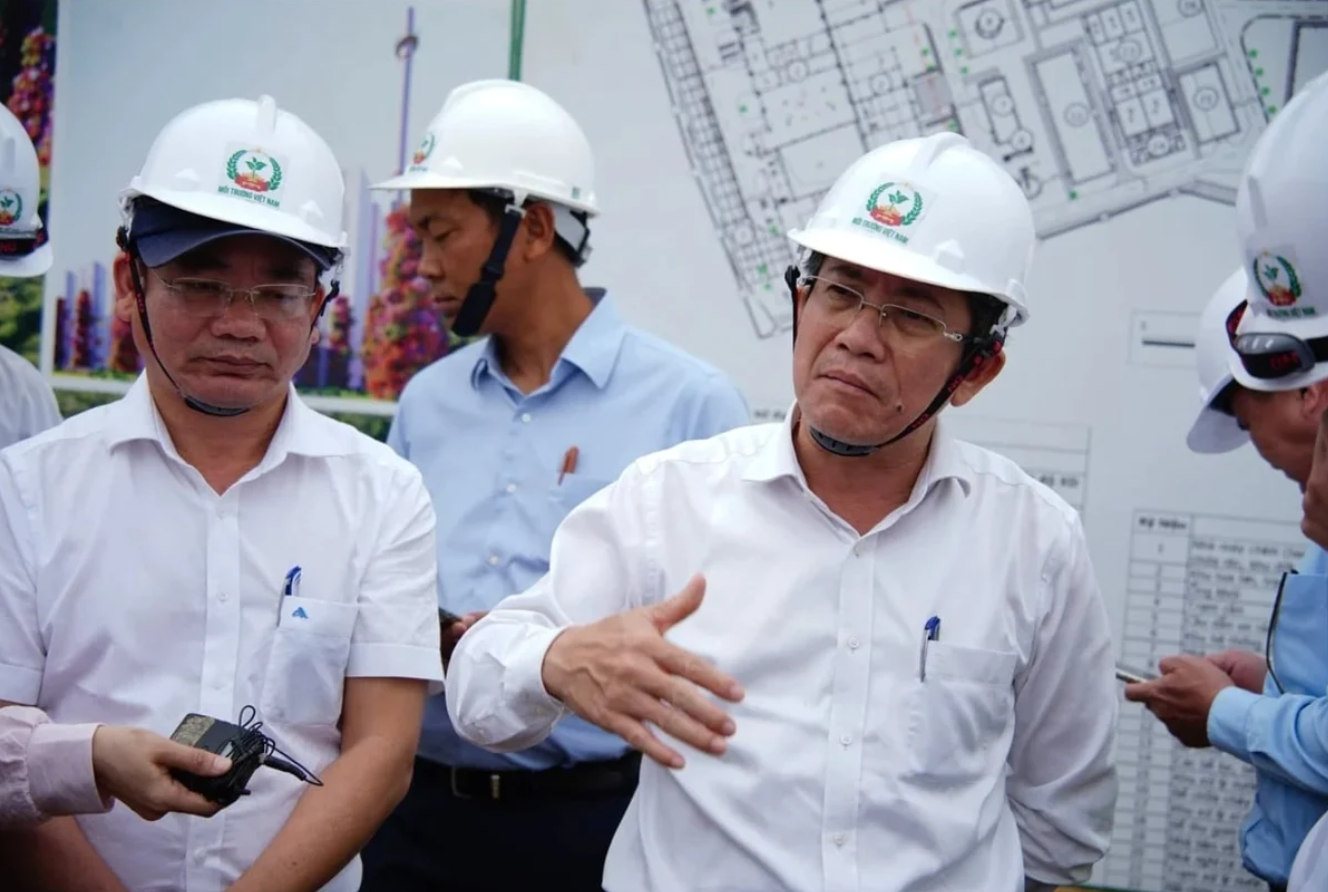
On March 25, Mr. Tran Nam Hung, Vice Chairman of the Da Nang People’s Committee, conducted an on-site inspection of solid waste treatment operations at several key facilities, including the Khanh Son Waste Treatment Complex (Hoa Khanh Ward) and the North Quang Nam Municipal Solid Waste Treatment Plant (Dai Loc Commune).
During the inspections, the delegation focused on reviewing waste collection, transfer and treatment activities. They also assessed technical infrastructure, treatment technologies, plant operations and related environmental factors.
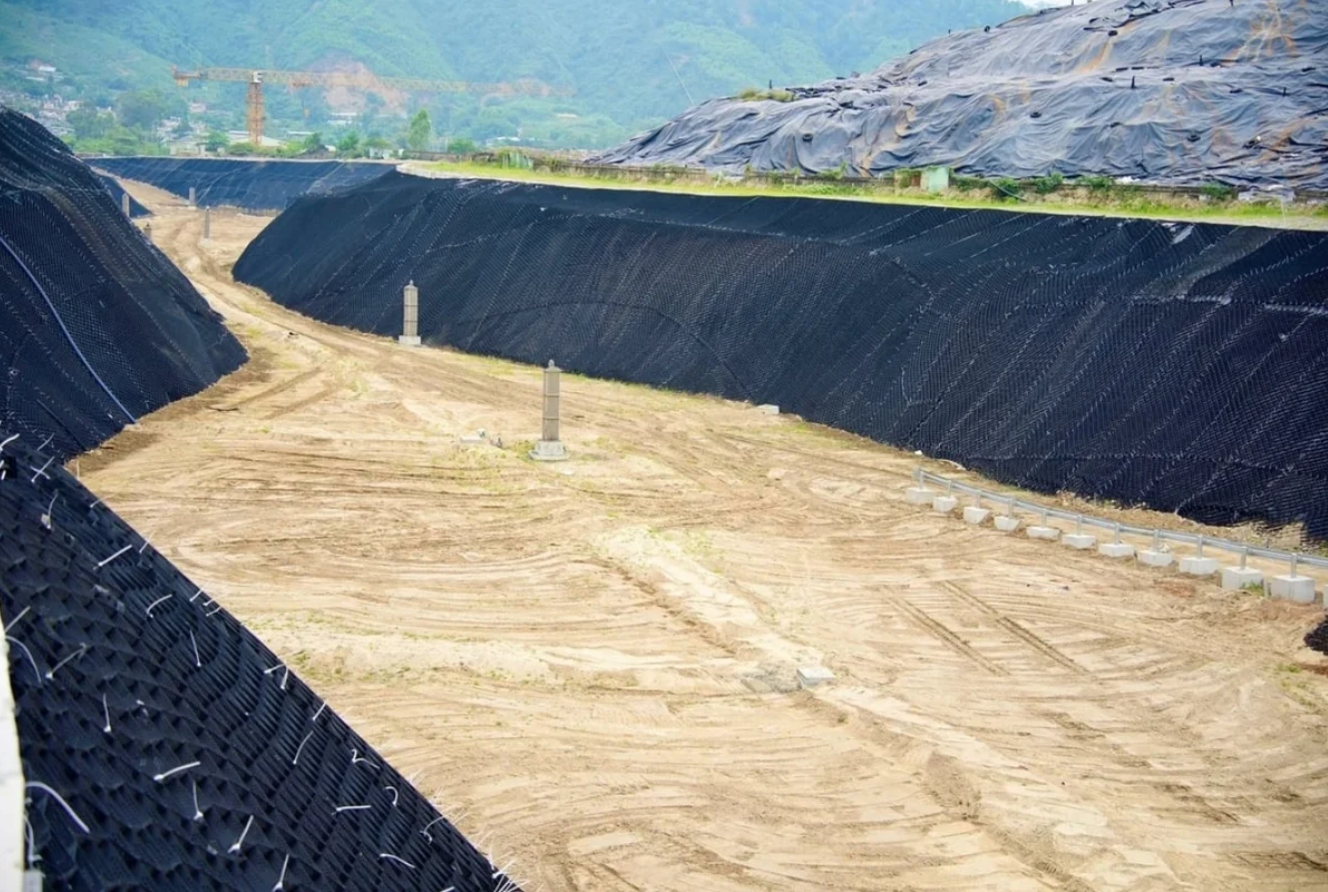
At the Khanh Son Waste Treatment Complex, city leaders asked relevant units to ensure stable operations and maintain the landfill cells’ capacity to receive waste through the end of 2026. At the same time, they were instructed to prepare contingency plans to respond to possible disruptions.
For Landfill Cell No.7, the vice chairman requested that legal procedures, handover arrangements and price agreements be completed in April 2026 so that the facility can begin receiving waste from May. In parallel, the city aims to put the waste-to-energy plant into operation starting January 2027, helping reduce pressure on the current waste treatment system.
Emphasizing the urgency of the issue, the city leadership described waste management as an environmental “security” concern, drawing significant public attention. The Department of Agriculture and Environment has therefore been tasked with closely monitoring project progress and ensuring that implementation stays on schedule.
According to reports, the Khanh Son waste-to-energy project is designed to treat municipal solid waste and common industrial waste using modern waste-to-energy technology. The plant will use mechanical grate furnaces, with a capacity to process about 900 tons of household waste and 200 tons of industrial waste per day, producing 18 MW of electricity. Ash generated after incineration will also be reused to produce construction materials such as non-fired bricks and concrete components.
Currently, temporary and auxiliary facilities have been completed, while the main construction items have reached around 20% progress. Key structures including the waste reception hall, waste bunker, flue gas treatment system and leachate treatment system are under construction. Other auxiliary facilities such as staff rest areas, ash treatment zones, weighing stations and external infrastructure are also being accelerated. The major works are expected to be completed in 2026, with the entire plant scheduled for completion in 2027. Existing landfill cells have been reinforced and can currently receive about 1,200 tons of waste per day.
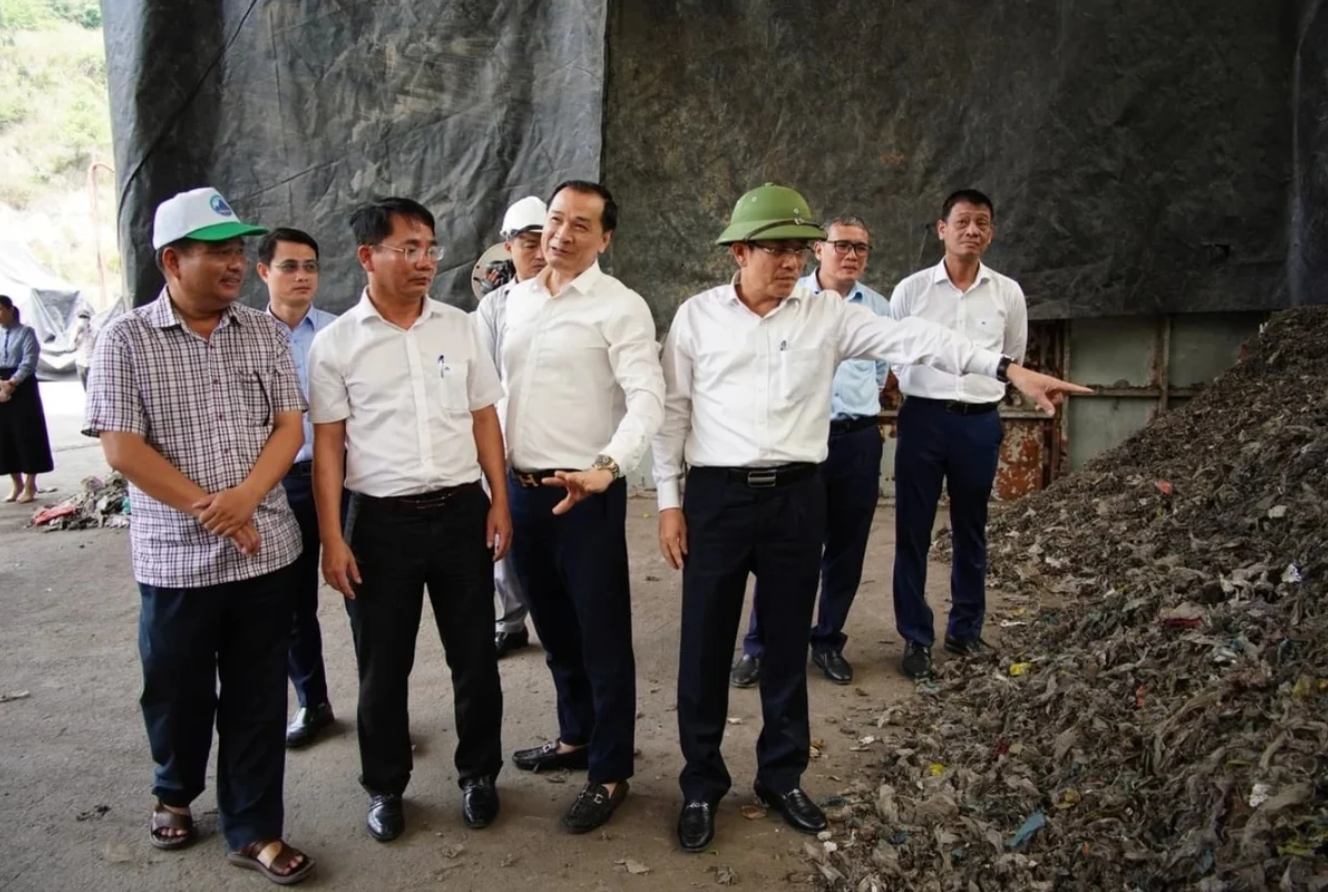
At the North Quang Nam Municipal Solid Waste Treatment Plant, operated by Huy Hoang Eco Environmental JSC, the delegation also listened to reports on operations, difficulties and proposals from the company. Based on these discussions, the vice chairman asked the operator to review and complete all legal documents and procedures, as well as finalize plans for handling input materials, ensuring compliance with regulations and stabilizing operations as soon as possible.
On the same day, city leaders also inspected the Son Tra waste transfer station (Son Tra Ward). The facility was assessed as operating efficiently and ensuring effective waste collection. Automated misting and washing systems are in place to control odors, helping prevent impacts on nearby residential areas.
In recent weeks, household waste has piled up across many parts of Da Nang, putting increasing pressure on sanitation services and affecting residents’ daily lives.
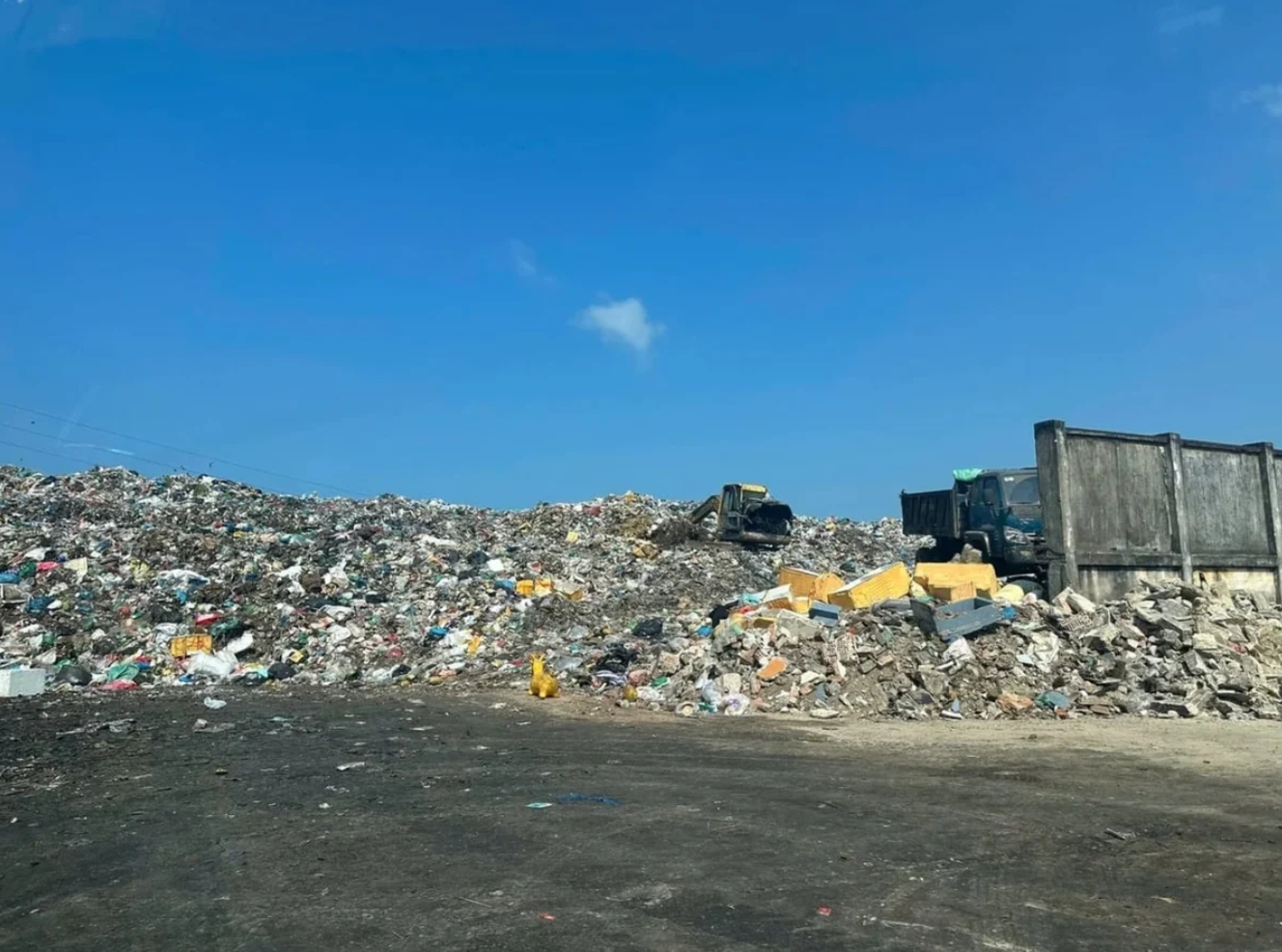
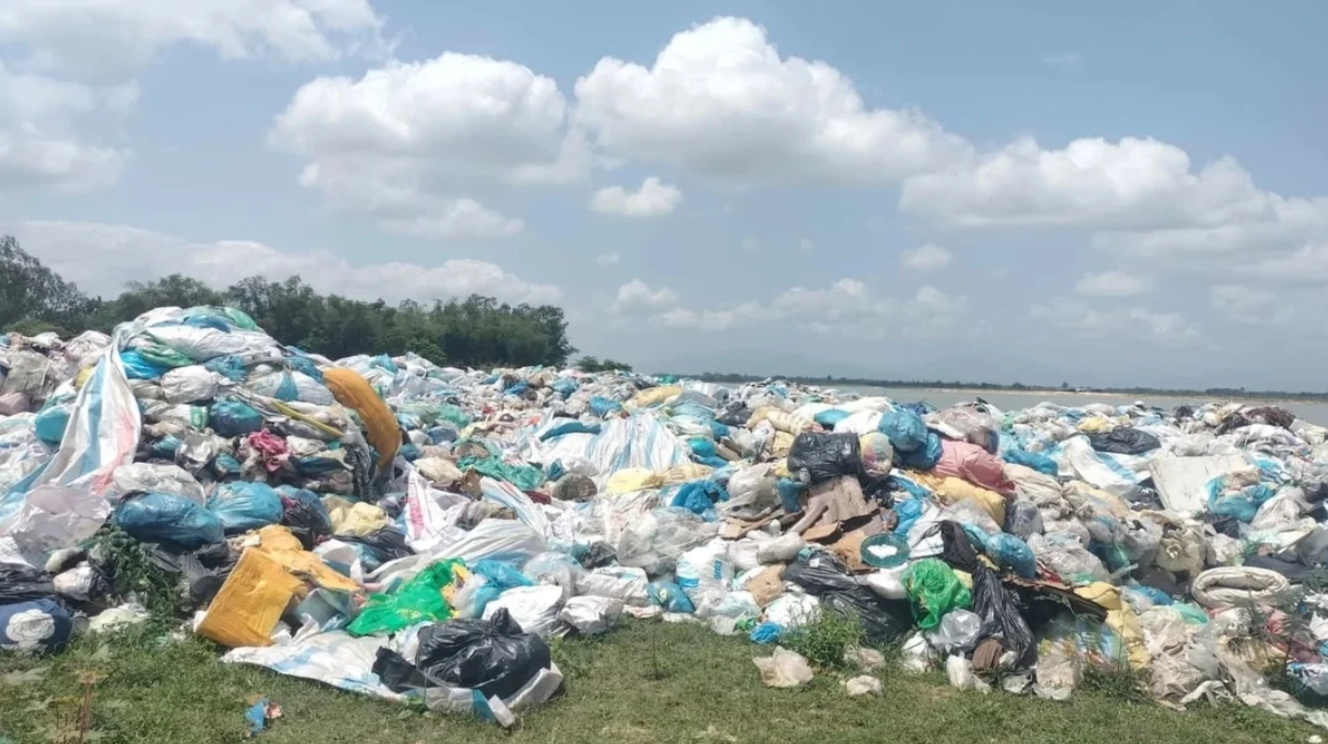
Field observations in several southern communes of Da Nang show that thousands of tons of waste remain uncollected or untreated, as waste treatment facilities have nearly stopped accepting garbage due to unresolved legal procedures. Meanwhile, temporary waste collection sites have become overloaded and unable to accommodate more waste.
A similar situation has also been recorded in Hoi An, a city previously known for its strong environmental protection efforts, but now facing growing pressure from an increasing waste backlog. At the Cam Ha waste collection site in Hoi An Tay Ward, piles of garbage have accumulated and remained untreated for an extended period. The delay not only harms the city’s urban landscape but also poses environmental pollution risks and directly affects the lives of nearby residents.
Lan Anh