Maintaining fertilizer market stability amid global fluctuation
Middle East conflict is driving up input costs, forcing Viet Nam’s fertilizer industry to proactively respond.
The Middle East conflict since late February 2026 has disrupted supply chains, sharply increasing transportation, raw material, and production costs, leading to global fertilizer price fluctuations. In this context, the Plant Production and Protection Department (PPPD) held a conference to discuss solutions to stabilize fertilizer prices and ensure supply for crop production.
Fertilizer companies share pressure, propose solutions
Despite direct impacts from international markets, domestic fertilizer companies have proactively maintained production, optimized capacity, and regulated supply. Many firms have accepted lower profits to keep selling prices reasonable, helping stabilize the market and share the burden with farmers.
Nguyen Viet Hien, General Director of Ninh Binh Fertilizer Co., Ltd., said that the country’s total urea production capacity currently reaches around 2.8 million tons per year, while domestic demand is only about 2.1 million tons, resulting in a surplus of roughly 700,000 tons. Companies must therefore balance domestic and export markets to ensure stable operations. Ninh Binh Fertilizer alone exports about 150,000 tons annually, with the remaining 350,000 tons serving the domestic market.
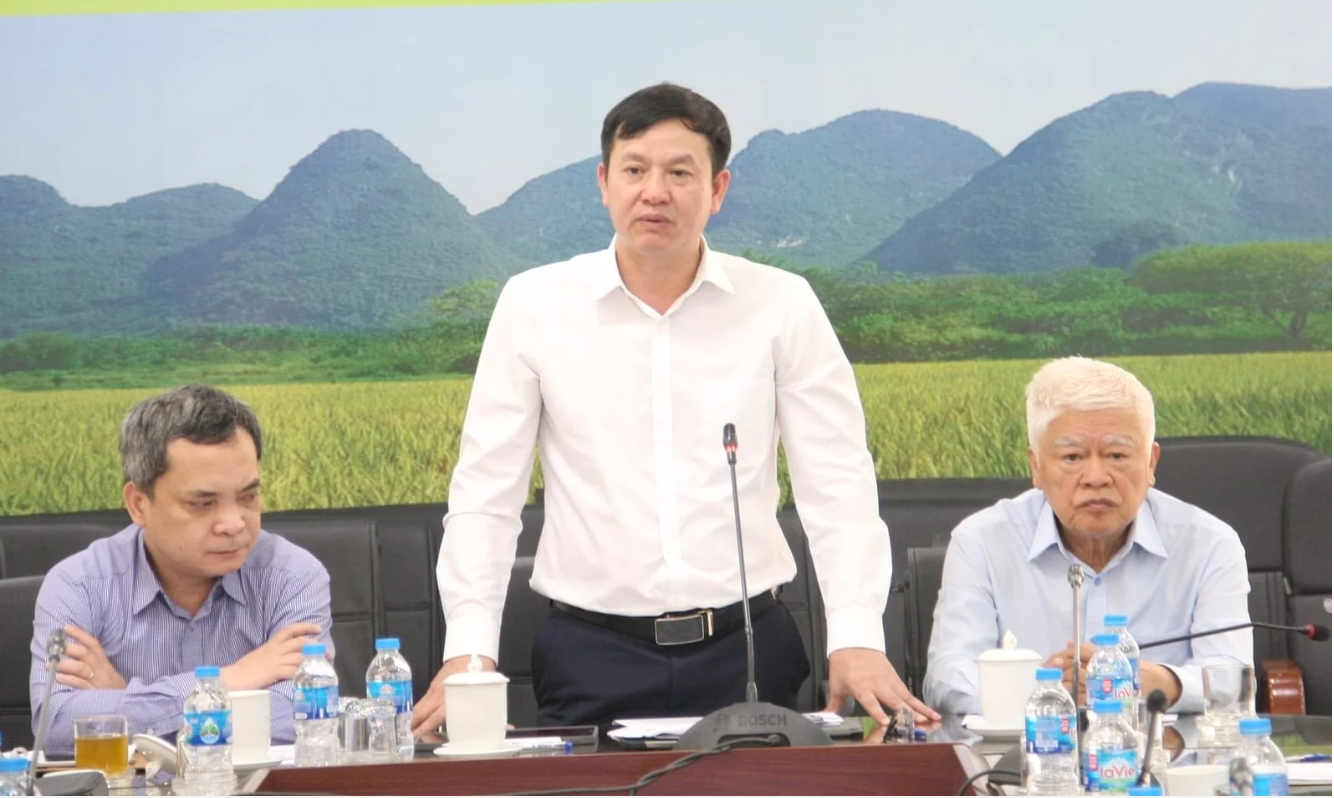
Based on this situation, many companies have proposed more flexible policies to ensure domestic supply while facilitating the sale of surplus products.
Bui Thi Thanh Giang, Deputy Head of the Business Planning Department at Viet Nam Chemicals Group, noted that while plants continue to operate at stable production levels, the 5% export tax on products such as urea and phosphate reduces competitiveness. She suggested reducing the tax to 0% to boost exports amid domestic oversupply, helping companies maintain continuous production and reduce costs.
From the perspective of organic production, Nguyen Van Bon, Northern Technical Director at Que Lam Group, emphasized the need to further promote sustainable farming models. Policies that support raw materials for NPK production, encourage farmers to use organic fertilizers, and build integrated crop-livestock chains could help improve efficiency and reduce input costs.
Fertilizer producers of NPK, DAP, and phosphate also called for stronger market forecasting, diversified supply sources, and reduced dependence on specific markets to enhance resilience against global fluctuations.
In the DAP segment, Nguyen Hoang Trung, Deputy General Director of DAP - Vinachem Joint Stock Company, said domestic demand is about 1 million tons per year, supplemented by roughly 500,000 tons of imports, ensuring sufficient supply without shortages.
However, production costs for DAP heavily rely on imported inputs (around 80%) such as sulfur, ammonia, and apatite. Sulfur prices, mainly sourced from the Middle East, have surged over 40% due to supply disruptions.
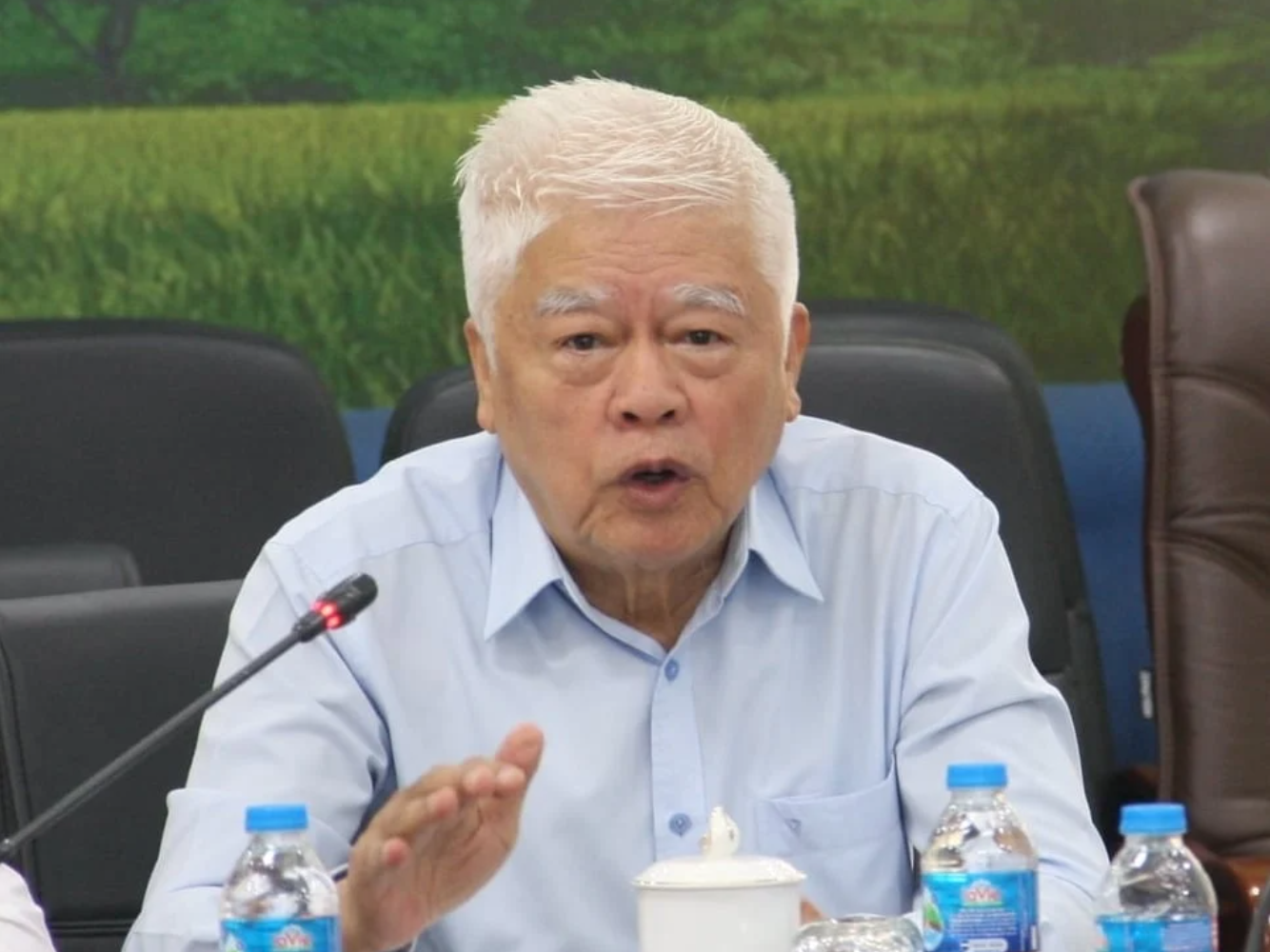
These input fluctuations have increased DAP production costs by approximately VND 1.97 million per ton (around 12%). Despite this, companies have only moderately adjusted selling prices to share the burden with the market, prioritizing domestic supply even though export prices are about VND 1.5 million higher per ton.
Similarly, phosphate producers have actively managed prices to maintain market stability. Nguyen Quoc An, Deputy General Director of Lam Thao Superphosphate and Chemical Joint Stock Company, noted that while input costs have risen significantly, the company has only increased selling prices by roughly 3%. At the same time, measures such as cost reduction, production optimization, and expanding raw material sources have been implemented to ease pressure on production costs.
Tighten management, focus on sustainable development
From an association perspective, Nguyen Tri Ngoc, Vice President of the Viet Nam Fertilizer Association, said the conference was a timely response to market fluctuations amid the Middle East conflict. He emphasized that the crop sector is not only key for exports but also directly impacts the livelihoods of millions of farmers, making responsive and practical policies essential.
Ngoc highlighted that domestic companies have proactively adapted, ensured supply, and even shared profits to stabilize the market. However, in the long term, the fertilizer industry needs to restructure toward greater use of organic fertilizers, improve input efficiency, and reduce production costs.
On the regulatory side, PPPD General Director Huynh Tan Dat noted that the feedback reflects the sector’s situation amid the conflict in the Middle East. He emphasized three major recommendations for enterprises: maximize the use of domestic raw materials, particularly apatite, to enhance production self-sufficiency; strengthen market management with inspections and monitoring to detect and address speculation, unreasonable price hikes, and the distribution of counterfeit or substandard fertilizers; review tax and intermediary cost policies to ease price pressures, enabling companies to maintain stable production and enhance competitiveness.

Additionally, market management should be strengthened to prevent speculation, stockpiling, and the circulation of counterfeit or low-quality fertilizers. A sustainable development strategy should also be established, aligned with green growth and environmental protection objectives.
Mai Dan - Ngo Huan