Businesses and regulators join forces to stabilize the fertilizer market
The Middle East conflict has driven up input costs, underscoring the urgent need to stabilize the fertilizer market to support agricultural production.
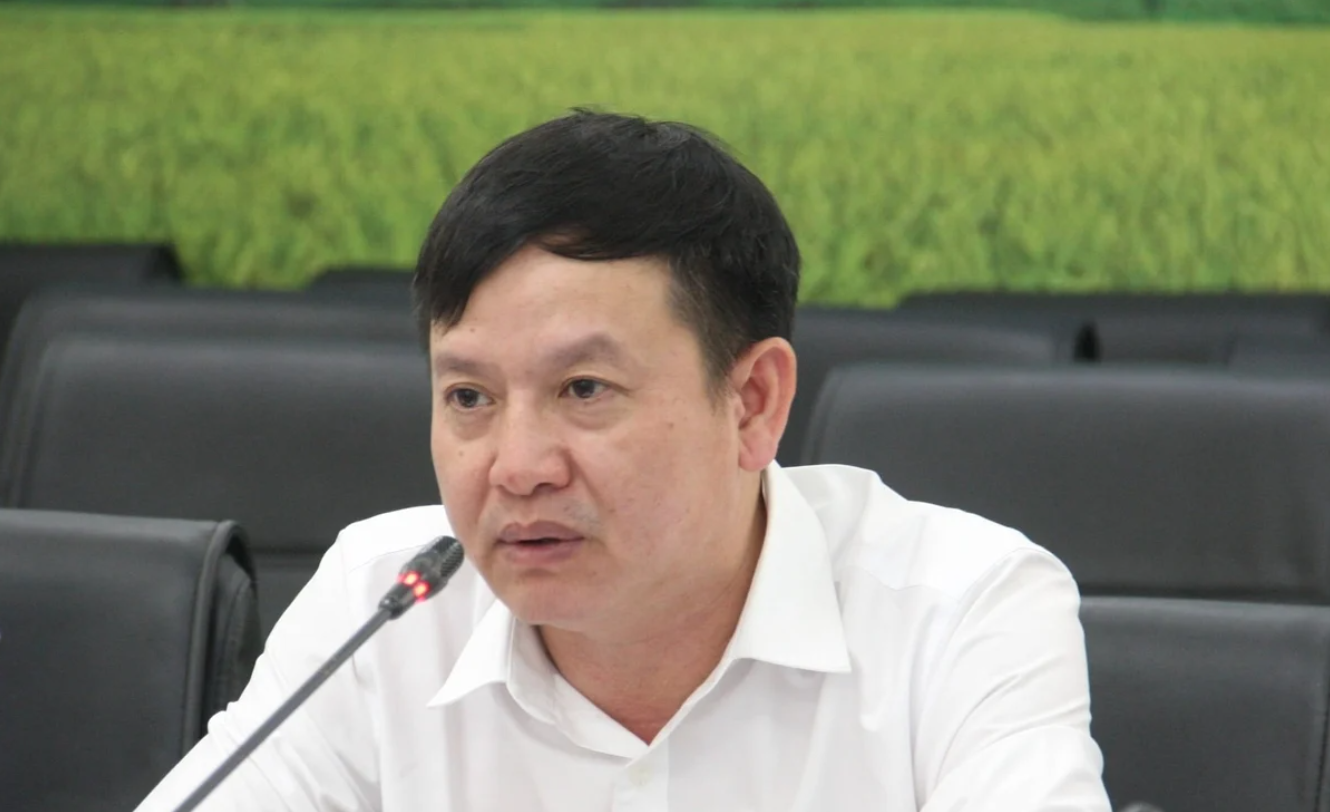
Mr. Huynh Tan Dat, Director General of the Plant Production and Protection Department, spoke with Vietnam Agriculture and Nature Newspaper on the sidelines of the conference on solutions to stabilize prices and ensure fertilizer supply for crop production, held on the morning of March 28 in Hanoi.
At the meeting, the department leader clarified the impacts of the Middle East conflict on Viet Nam’s fertilizer market and outlined key solution groups to stabilize supply, control prices, and enhance the sector’s proactivity amid global volatility.
How is the Middle East conflict affecting the domestic fertilizer market?
The Middle East conflict has been directly impacting global supply chains. Energy prices, maritime transport costs, and input materials such as sulfur and ammonia have all risen sharply, leading to increased fertilizer production costs. This creates a ripple effect - not only affecting raw material imports but also the entire process of production, distribution, and consumption.
In this context, Viet Nam’s fertilizer market is also facing certain price pressures. However, it is worth noting that businesses have adapted quite quickly. Many companies have proactively stockpiled raw materials, diversified supply sources, and optimized production to mitigate negative impacts. As a result, domestic fertilizer supply has largely been maintained, avoiding the shortages and disruptions initially feared.
How do you assess the role of businesses in stabilizing the market?
From the many opinions shared at the conference, it is clear that the business community has played a crucial role and demonstrated a strong sense of responsibility. Despite the overall challenges, enterprises have not only maintained stable production but also actively shared the burden with the market, farmers, and partners across the value chain.
In practice, many companies have taken concrete actions. For example, a representative of Ninh Binh Fertilizer Company Limited stated that despite rising input costs, the company has continued stable operations while balancing domestic and export markets, prioritizing supply for domestic agricultural production.
Similarly, a representative of Vietnam National Chemical Group noted that its member units have maintained continuous production, even outside peak farming seasons, in order to stabilize operations and ensure supply. At the same time, the group is ready to adjust distribution between domestic and export markets to avoid putting pressure on local fertilizer prices.
Many enterprises have accepted reduced profit margins, even absorbing higher costs, to keep prices at reasonable levels, thereby contributing to market stability. This clearly demonstrates strong alignment between businesses and the agricultural sector, as fertilizers are essential inputs that directly affect farmers’ productivity, product quality, and overall production efficiency.
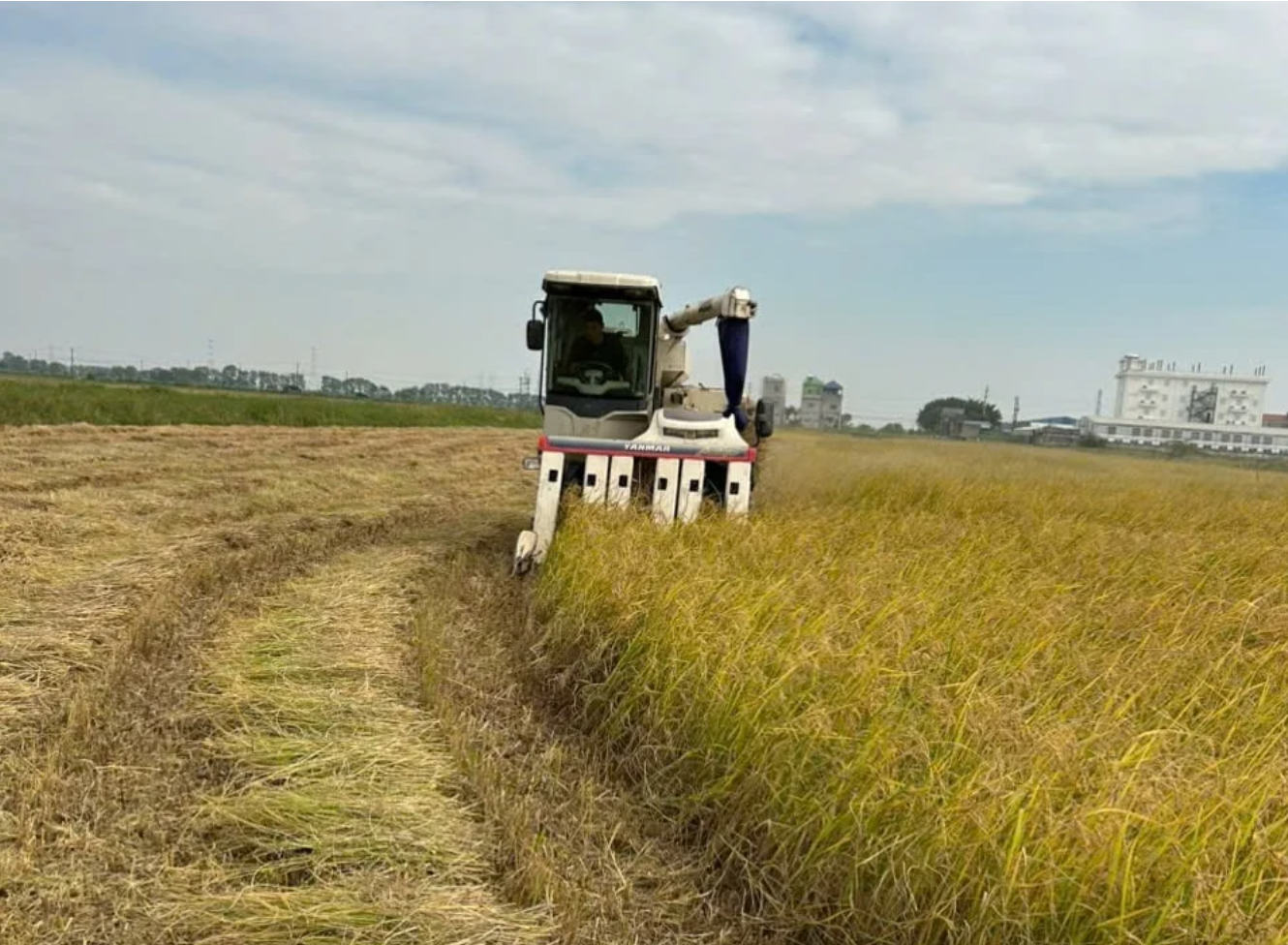
The proactivity, flexibility, and responsibility of enterprises have helped the domestic fertilizer market maintain relative stability despite global volatility. This serves as a vital foundation for the agricultural sector to sustain its growth momentum.
To stabilize supply, reduce cost pressures, and enhance long-term autonomy for businesses, what key focus areas has the Department directed enterprises to implement?
We have requested enterprises to focus on the following core solution groups:
First, balancing domestic supply and demand. This involves maintaining stable plant operations and maximizing production capacity. Simultaneously, businesses must enhance market transparency to prevent speculation and hoarding, which cause irrational price fluctuations.
Second, enhancing forecasting capabilities and securing supply. Enterprises need to closely monitor international market trends, especially energy prices, logistics costs, and raw material availability, to develop appropriate import and inventory plans. This must go hand-in-hand with diversifying supply sources to reduce dependence on any single market, thereby improving supply chain resilience.
Third, strengthening coordination with local authorities and cooperatives. By working closely with agricultural production organizations, businesses can better understand the specific needs of each region and season. This allows for more proactive production and distribution planning, ensuring a stable supply and preventing local shortages.
Fourth, prioritizing the domestic market during peak production periods. Ensuring domestic supply must take precedence over exports during high-demand seasons. This is a critical requirement to guarantee agricultural input security amidst global uncertainties.
From a state management perspective, what priority tasks will the Plant Production and Protection Department focus on in the coming time?
First and foremost, we are committed to working closely with enterprises, monitoring domestic and international market trends, providing timely advice to the Ministry of Agriculture and Environment, and subsequently recommending appropriate solutions to the Government.
A key focus will be on strengthening market inspection and supervision. We will coordinate with relevant ministries, local authorities, and functional forces to promptly detect and address acts of speculation and irrational price hikes, and to prevent the production and trade of counterfeit or substandard fertilizers.
Furthermore, we will ramp up communication and guidance for farmers on the economical, balanced, and technically sound use of fertilizers. This is a practical solution to help reduce input costs, enhance production efficiency, and minimize waste.
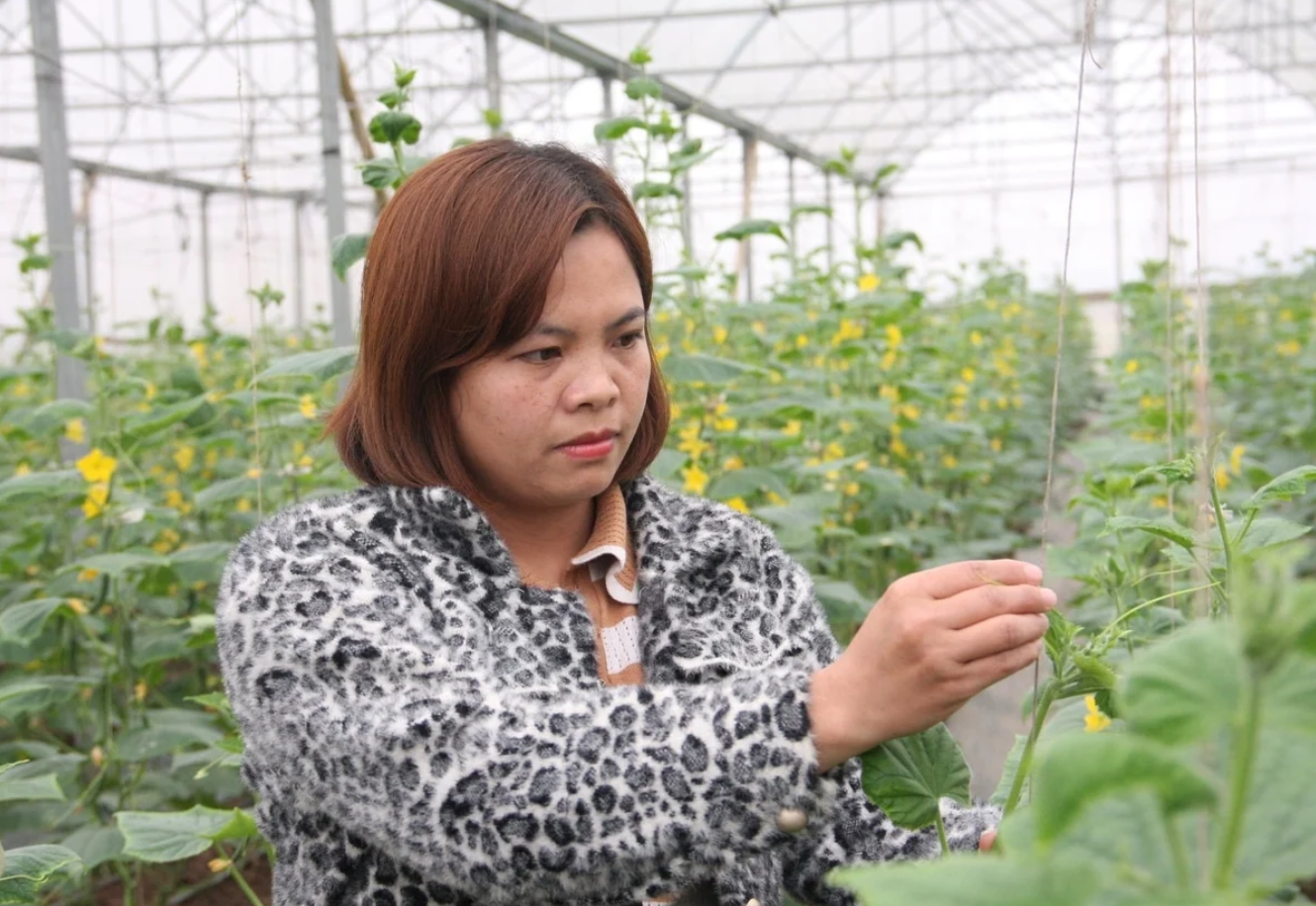
In the long run, the Department will collaborate with relevant units to promote the development of organic fertilizers and scale up models for efficient, sustainable fertilizer use. At the same time, we will research and propose support policies to reduce intermediary costs, transportation costs, energy costs, and raw material inputs, thereby contributing to overall market stability.
Our objective extends beyond merely ensuring sufficient inputs for production; we aim for smarter, more economical, and more sustainable resource utilization. By doing so, we will enhance crop production efficiency, protect the environment, and strengthen the resilience of Vietnam's agriculture against external fluctuations.
Thank you very much, Director General!
Mai Dan