Nghe An expands low-emission rice production
Rice remains a cornerstone of agriculture in Nghe An province, and its value is now being further elevated through a project to generate carbon credits from low-emission rice cultivation.
Nghe An has a vast agricultural land area of more than 1.47 million hectares, accounting for nearly 89.5% of its total natural land. Of this, rice-growing land averages around 182,000 hectares annually. Rice plays a pivotal role in the province’s agricultural production and broader socio-economic development.
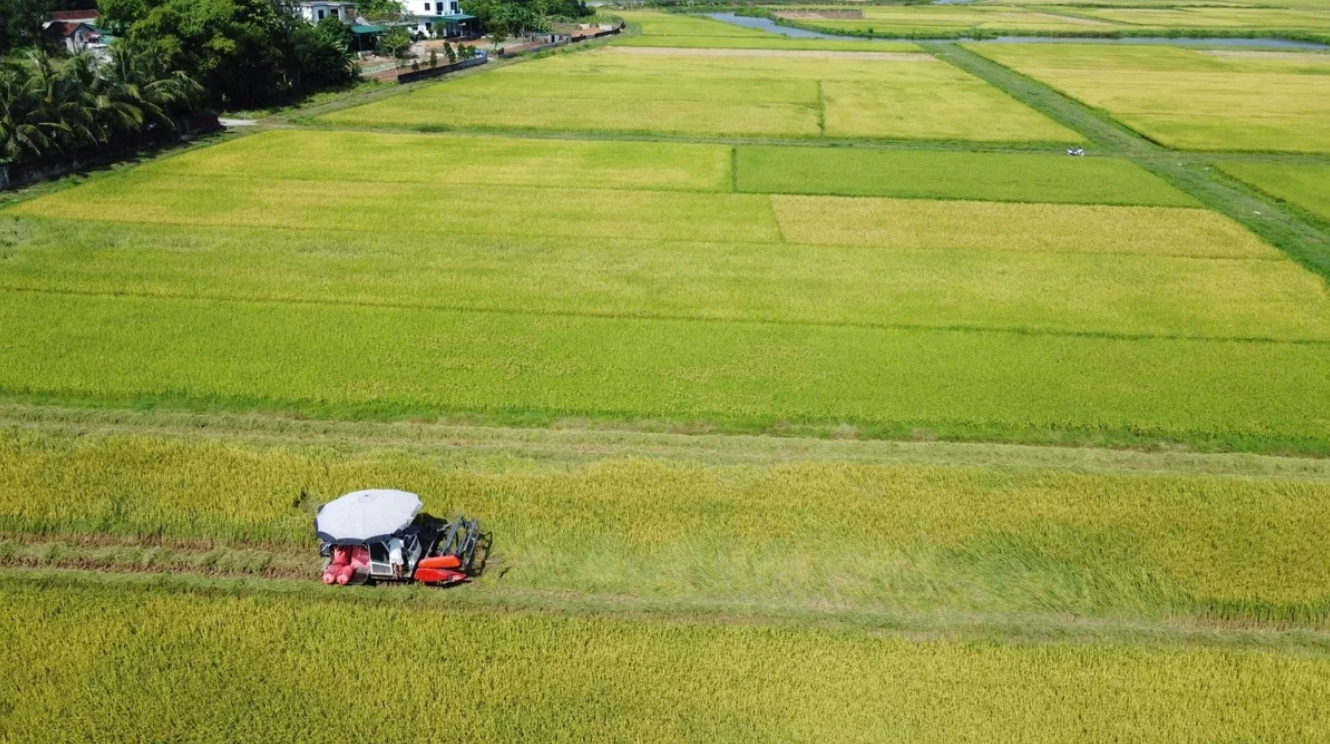
However, rice production in recent years has faced significant challenges, particularly from climate change, including frequent floods, droughts, and severe irrigation water shortages.
In response to these pressing challenges, the project titled “Alternate Wetting and Drying Irrigation - A Greenhouse Gas Emission Reduction Solution for Sustainable Rice Cultivation” was launched in Nghe An in 2024. The initiative is being implemented in collaboration with the Japan International Cooperation Agency (JICA), the provincial Department of Agriculture and Environment, the North Central Region Agro-Forestry Scientific and Technical Institute, Green Carbon Japan Viet Nam Co., Ltd., and other stakeholders.
Throughout the project’s implementation, the Nghe An Department of Agriculture and Environment has played a central coordinating role, laying a solid foundation and helping to scale up the initiative.
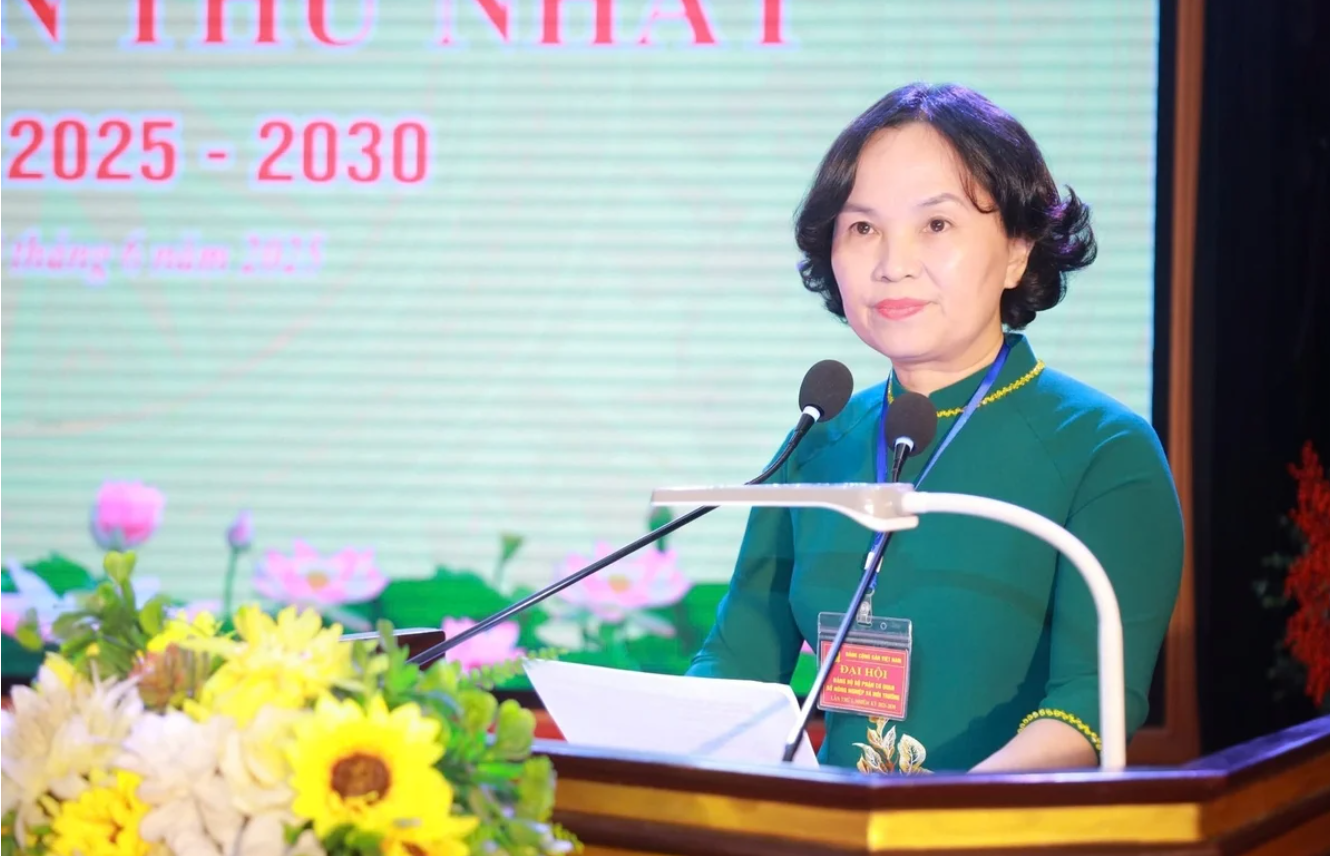
The department has proactively advised the provincial People’s Committee to issue policies supporting pilot low-emission rice production projects, thereby establishing a legal framework that enables stakeholders to participate. It has also developed implementation plans and integrated the initiative into seasonal and annual production schemes. In addition, workshops and training programs have been organized to assess feasibility and refine implementation.
The department has assigned its Division of Technical Management and Science and Technology to work closely with the Agricultural Market Forum as a focal point for monitoring project execution.
Scaling up the project has required time and sustained effort. Initially, many farmers lacked understanding of methane emissions, carbon credits, conversion mechanisms, and the technical requirements of alternate wetting and drying (AWD), including irrigation timing, water depth, drainage levels, and participation benefits.
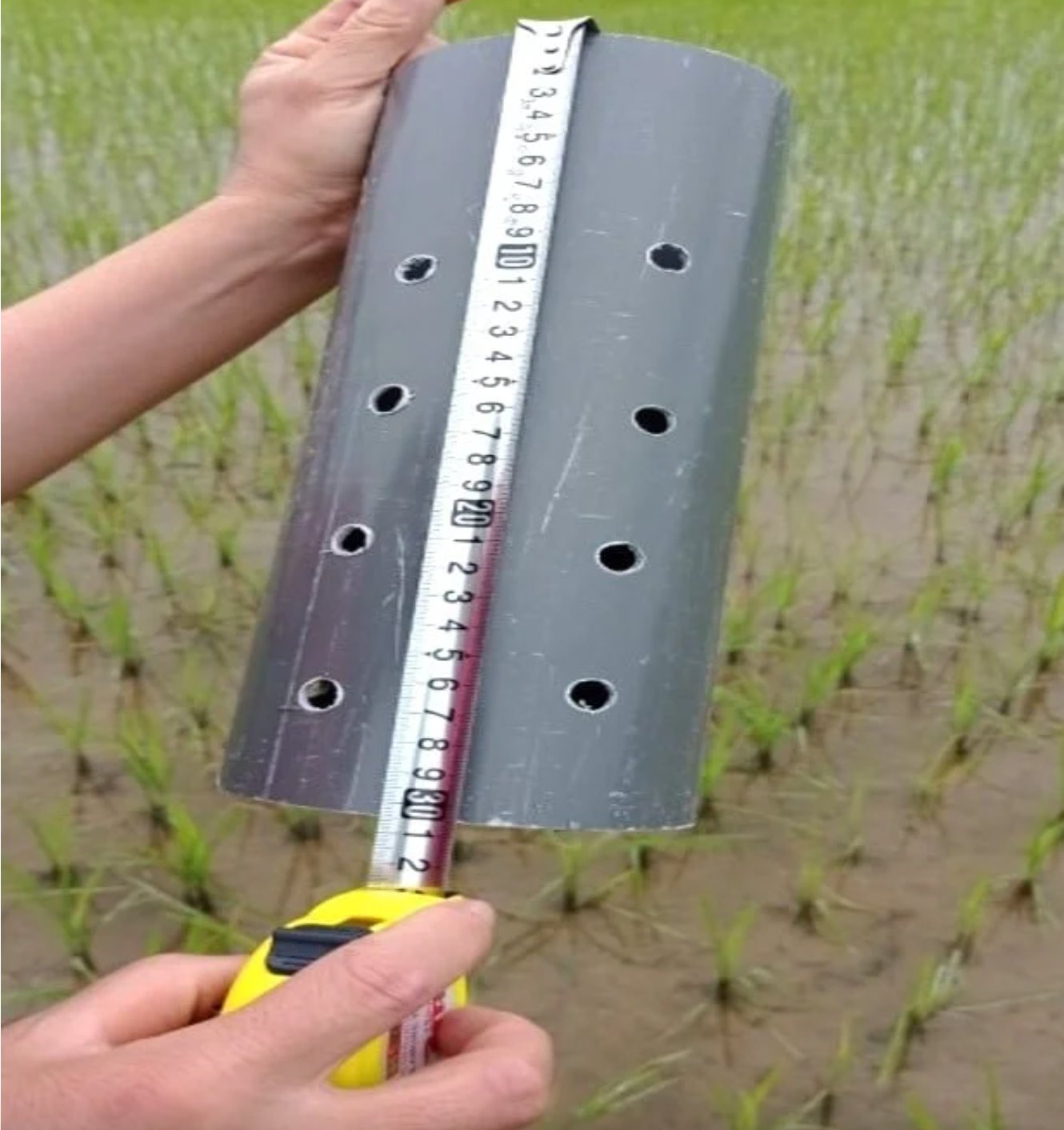
To address this, stakeholders have organized numerous workshops and training sessions on AWD irrigation techniques in low-emission rice cultivation, helping farmers and agricultural officials better understand the method. AWD is a water management technique that uses significantly less water than traditional continuous flooding.
Under this method, fields are allowed to dry periodically before being re-irrigated, helping rice plants adapt to harsher conditions and improving resilience to water scarcity.
To date, the AWD-based low-emission rice project in Nghe An has been implemented across four consecutive crop seasons in 2024 and 2025, covering approximately 19,000 hectares and involving 40 communes. The project is set to continue and expand in 2026.
Although still in the pilot phase, results have been highly encouraging. According to the provincial Department of Agriculture and Environment, AWD irrigation reduces water use by 20-50%, depending on location, thereby lowering labor demands and irrigation costs.
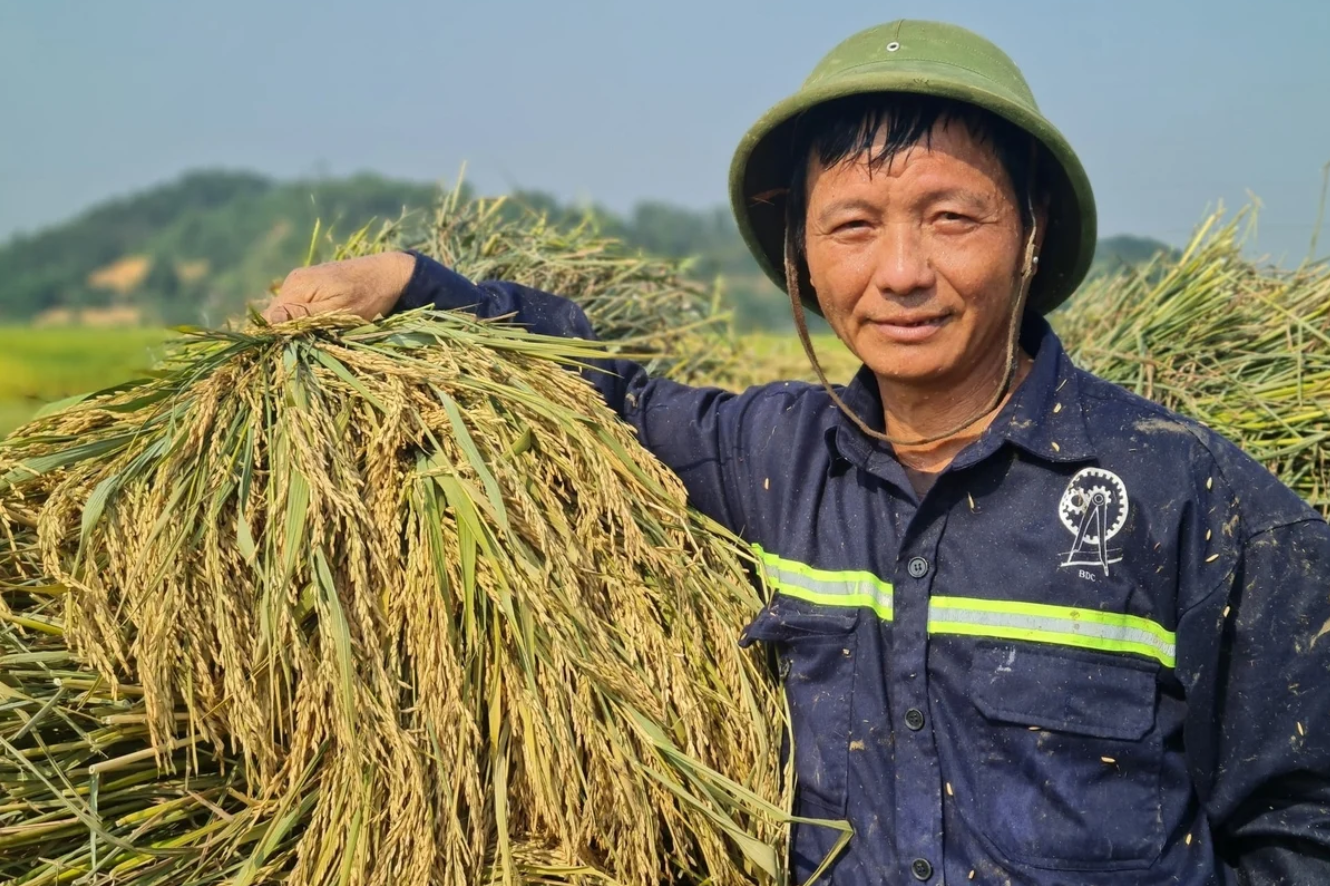
The AWD method also reduces anaerobic soil conditions, improves soil health, and promotes stronger root systems. Rice plants become more robust, with fewer unproductive tillers and greater structural strength. The approach delivers dual benefits: increased yields and reduced methane emissions, estimated at 40–60% lower than conventional flooding methods.
“The project aligns with Nghe An’s development strategy. Low-emission rice production that generates carbon credits through AWD irrigation is a key component of efforts to promote sustainable agriculture, reduce greenhouse gas emissions, and advance green transformation in the sector, contributing to the national goal of net-zero emissions by 2050,” said Vo Thi Nhung, Deputy Director of the Nghe An Department of Agriculture and Environment.
Beyond environmental gains, the project is also opening up new economic opportunities for farmers through participation in carbon markets. By quantifying emission reductions from improved cultivation practices, participating farmers and cooperatives may generate carbon credits, creating an additional income stream alongside traditional rice production.
Viet Khanh