Moving towards acomprehensive agricultural ecosystem
According to Dr. Tran Cong Thang, shifting from a production-focused mindset to an agricultural economy will not be easy, but it is achievable if the right foundations are put in place.
The agricultural sector continues to grow steadily and sustainably
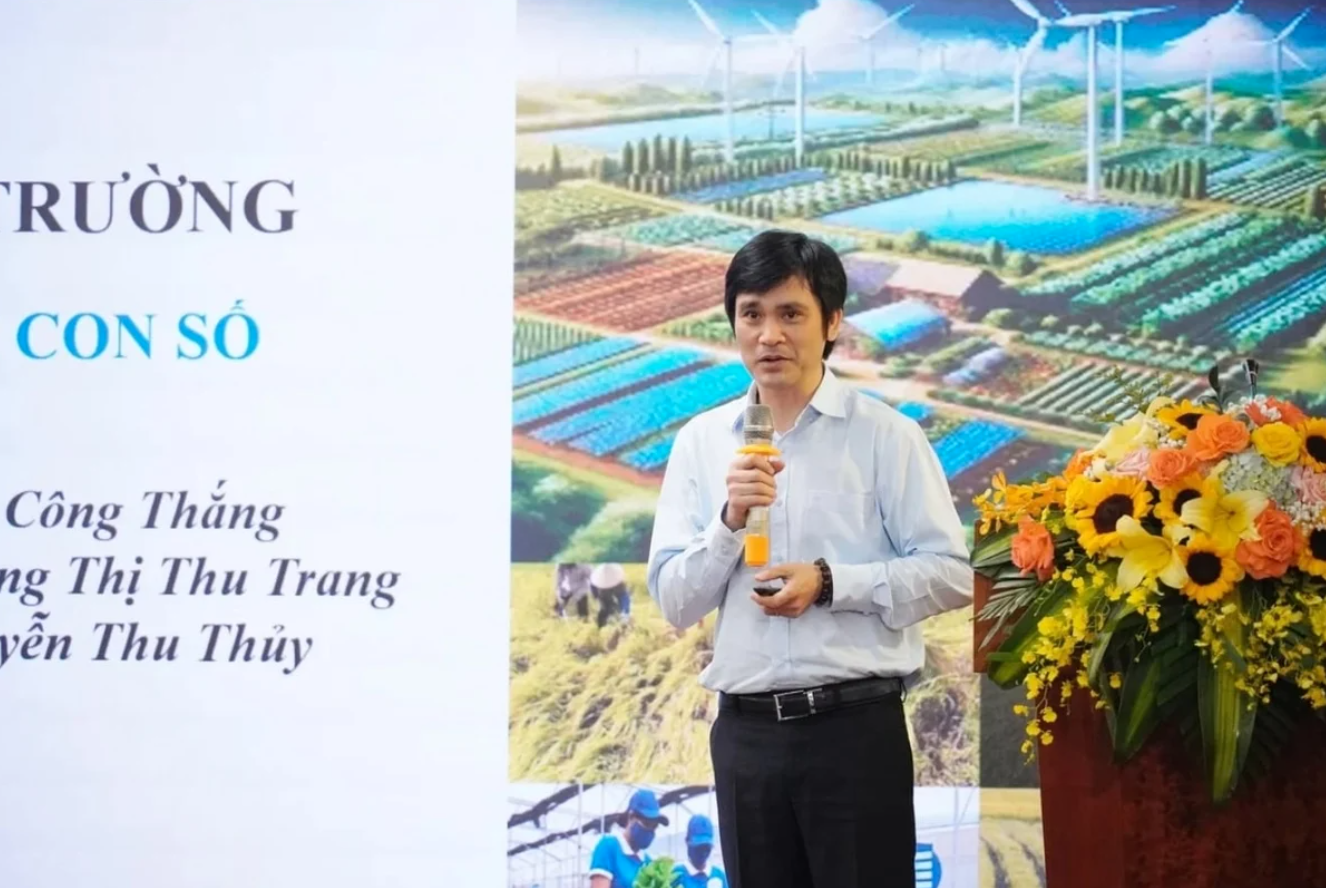
Speaking at the workshop “Driving forces for double-digit economic growth” held on the morning of March 31 in Ha Noi, Dr. Tran Cong Thang, Director General of the Institute of Strategy and Policy on Agriculture and Environment (ISPAE) under the MAE, said agriculture may not see the sharp growth often recorded in industry or services. However, the sector stands out for its stability and resilience, particularly when compared with countries that have similar agricultural foundations.
Since the Doi Moi reforms, agricultural growth has gone through several ups and downs. Before the sector restructuring launched in 2013, growth had begun to slow. In recent years, however, the trend has improved markedly, driven by strong performance in several subsectors, particularly fisheries.
The COVID-19 pandemic offers a clear example. While the broader economy came under heavy pressure and slowed, agriculture proved more resilient and continued to expand. Since 2019, key indicators have remained positive, reinforcing the sector’s role as a reliable pillar of the economy during difficult times.
Another encouraging development is the recovery of crop production and livestock farming. After years of shrinking shares and declining trends, both subsectors have recently regained strong momentum.
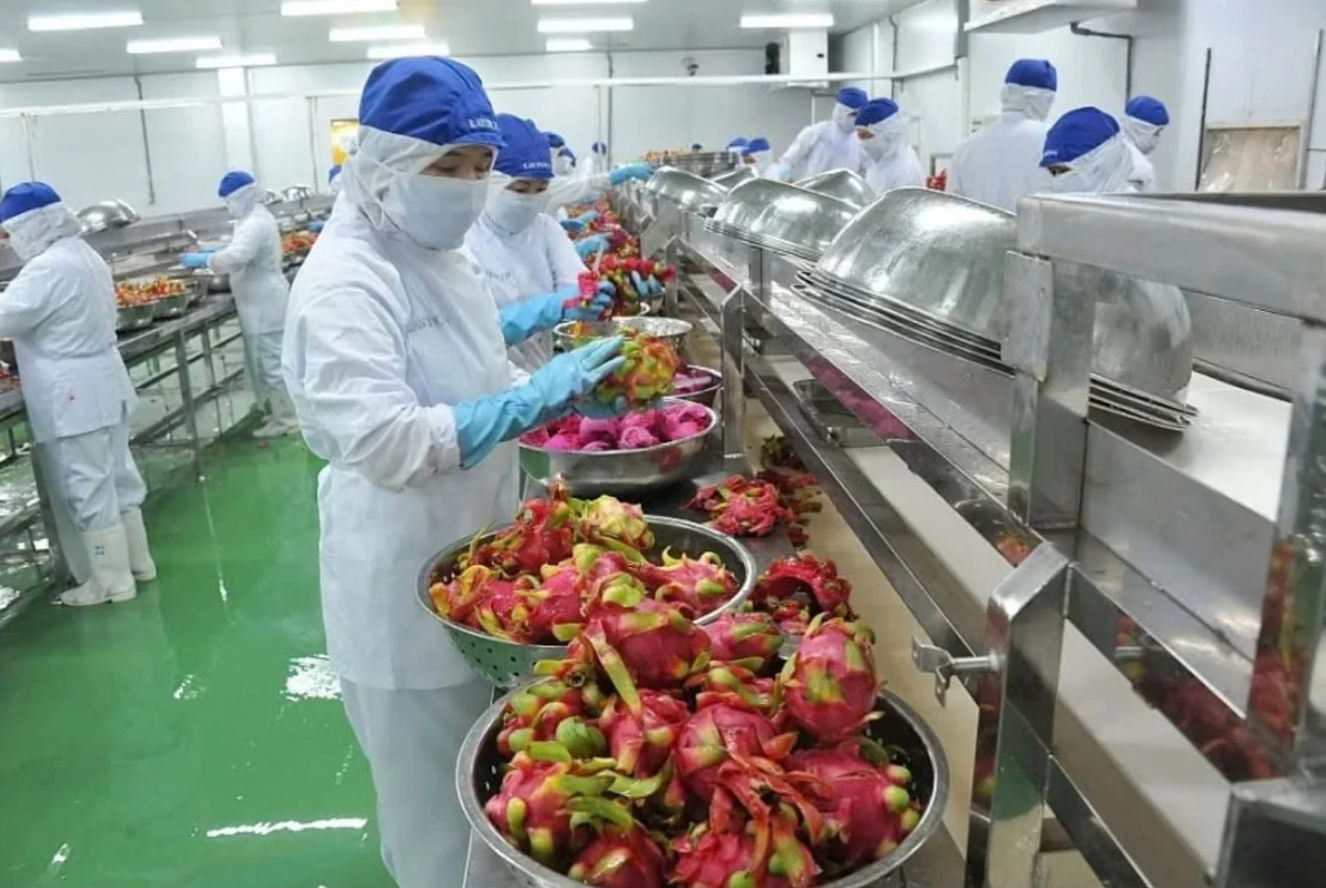
The key behind this turnaround lies in a strategy focused on more efficient restructuring. Instead of pursuing output alone, the sector has shifted towards high-value products. The rapid expansion of fruit exports - durian in particular - has delivered remarkable value gains for Vietnamese agricultural products.
Market demand seen as the main driver of production
Dr. Thang said recent policy discussions have increasingly focused on a key question: How to shift from a production-focused mindset to a broader agricultural economy. The transition may be challenging, but it is achievable if the right foundations are in place. For farmers, the most decisive factor remains the market.
“In reality, farmers are highly dynamic and capable of meeting strict production standards. As long as stable market outlets are ensured and supply chains flow smoothly, agriculture will naturally find the momentum for stronger growth,” he stressed.
From a broader perspective, the integration of environmental management with agriculture has opened up a much larger development space. Instead of overseeing only five traditional agricultural sectors, the Ministry now also manages areas such as natural resources, geology, minerals and marine resources.
Although these sectors may not directly contribute to agricultural exports, they still create significant indirect value for the economy. At the same time, policymakers recognize that new policies and resolutions often take time to take effect in the agricultural sector. This delay makes it difficult for policy or technological changes to translate into immediate growth in 2026.
External risks also remain significant.
Dr. Thang noted that in 2025-2026, Viet Nam faces a number of uncertainties, ranging from new U.S. tariff policies to geopolitical tensions in the Middle East. Although direct exports to the region amount to only about US$1.7 billion, disruptions there - such as incidents in the Strait of Hormuz - can drive up transport costs and input prices. In reality, while Viet Nam exports large volumes of agricultural products, the sector also relies heavily on imported inputs.
At the same time, the sector is under growing pressure to meet stricter sustainability requirements, climate commitments and green certification standards, which will require significant transformation if Viet Nam wants to maintain access to high-end markets. Even traditional markets such as China have been tightening quarantine regulations, posing direct challenges for farmers. Price swings in products like jackfruit, along with trucks of agricultural goods being turned back at border gates when technical standards are tightened, highlight the urgent need to improve product quality from the outset.
Dr. Thang highlighted two major issues: Non-traditional security risks and green standards. The focus is no longer simply on selling products, but on meeting increasingly stringent requirements on traceability, food safety and chemical residue limits.
“If we fail to adapt quickly to global market preferences and regulations, our products will struggle to remain competitive”, he warned.
From “green production” to “green value”
According to the ISPAE leader, climate change - while complex - should not be seen only as a challenge. It can also offer an opportunity to transform the way land, forest, and marine resources are used, making them more efficient. A more scientific allocation of resources could also open up new drivers of growth.
“We should not focus solely on the economy of rice cultivation. We must also unlock the potential of the marine economy and the forest economy to generate new values”, he said.
Regarding the outlook for 2026, the Ministry of Agriculture and Environment is targeting a 3.7% sector expansion, slightly higher than the previous benchmark of 3.5%. If key subsectors perform strongly, the rate could exceed 4%. However, this scenario must still account for potential risks such as geopolitical conflicts, international sanctions, the EU’s IUU “yellow card”, and technical barriers from China.
To achieve these goals, ISPAE emphasizes several key drivers.
First, production needs to be reorganized by developing standardized raw material zones, supported by science, technology, and digital transformation. Greater investment in deep processing will also help raise added value, rather than relying largely on raw exports. At the same time, research on crop and livestock varieties should be prioritized to improve both productivity and product quality.
Infrastructure is another critical factor. Beyond traditional irrigation systems, the sector needs a multi-layered, multi-purpose network. Logistics currently accounts for about 20-25% of agricultural production costs, significantly higher than the economy-wide average. Greater investment in logistics and supply chains is therefore urgently needed.
In addition, sectors linked to natural resources - such as geology, minerals, marine resources and forests - could open up new opportunities for development. Rare earth minerals, for example, represent a major advantage, as Viet Nam holds about 22% of global reserves. Offshore wind power and the sustainable forest economy could also become important drivers that indirectly support the sector’s growth.
Human resources remain a key issue. Although rural areas have around 1.6 million young people without stable jobs, the share of agricultural workers with formal training or professional certification remains very low - at only about 4%. Shifting from traditional farming to a broader agricultural economy will require a workforce equipped with new knowledge and skills.
Disaster prevention and disease control must also be elevated to a strategic priority. Experience shows that a major outbreak or disaster can set the sector back by as much as a decade.
Finally, Dr. Tran Cong Thang stressed that the sector is moving toward a more comprehensive agricultural ecosystem. Rather than focusing solely on commodity production, it should be more closely connected with food processing, rural tourism and manufacturing.
“We need to improve institutions to unlock resources related to land and capital, while strengthening the role of cooperatives in helping farmers participate in global value chains. By moving from green production to green value and preparing proactively for market risks, the Agriculture and Environment sector can make a significant contribution to the country’s goal of achieving double-digit economic growth in the coming years”, Dr. Thang said.
According to ISPAE, agriculture remains the only sector that consistently posts a trade surplus. In 2025 alone, the surplus from agricultural trade reached about US$21 billion. While individual commodities may fluctuate from year to year, most key agricultural exports continue to show an overall upward trend.
Hong Tham