Lam Dong organic agriculture charts sustainable path
Through specific models, Lam Dong organic farming is forming production zones and markets, establishing a foundation for green, sustainable agriculture.
Transitioning from environmental pressure
After years of intensive farming reliant on chemical fertilizers and pesticides, Lam Dong's agriculture faces the imperative to transition towards environmentally friendly methods. In this process, organic agricultural production has gradually become the preferred choice, not only helping to improve agricultural product quality but also contributing to soil improvement, ecosystem restoration and driving changes in farmers' production organization.
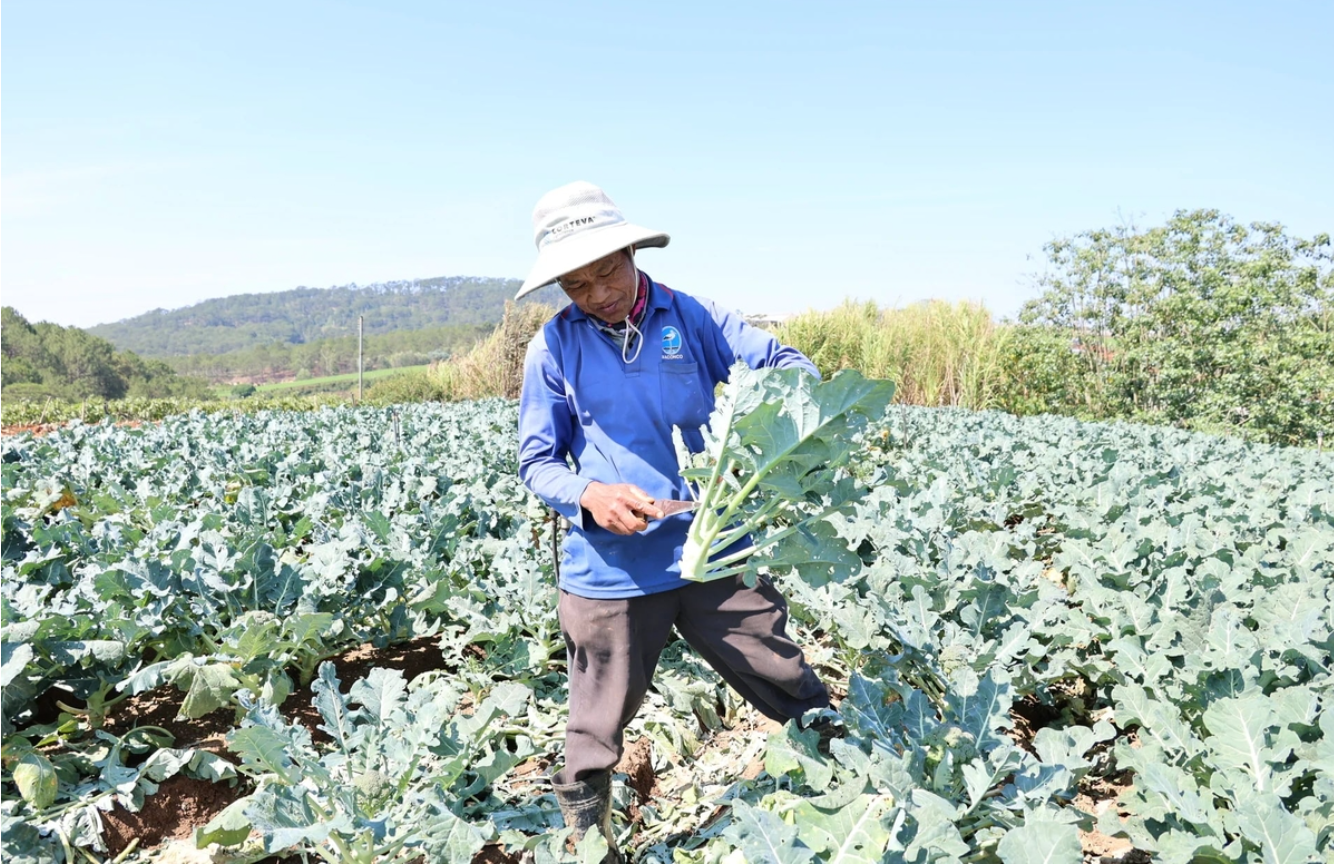
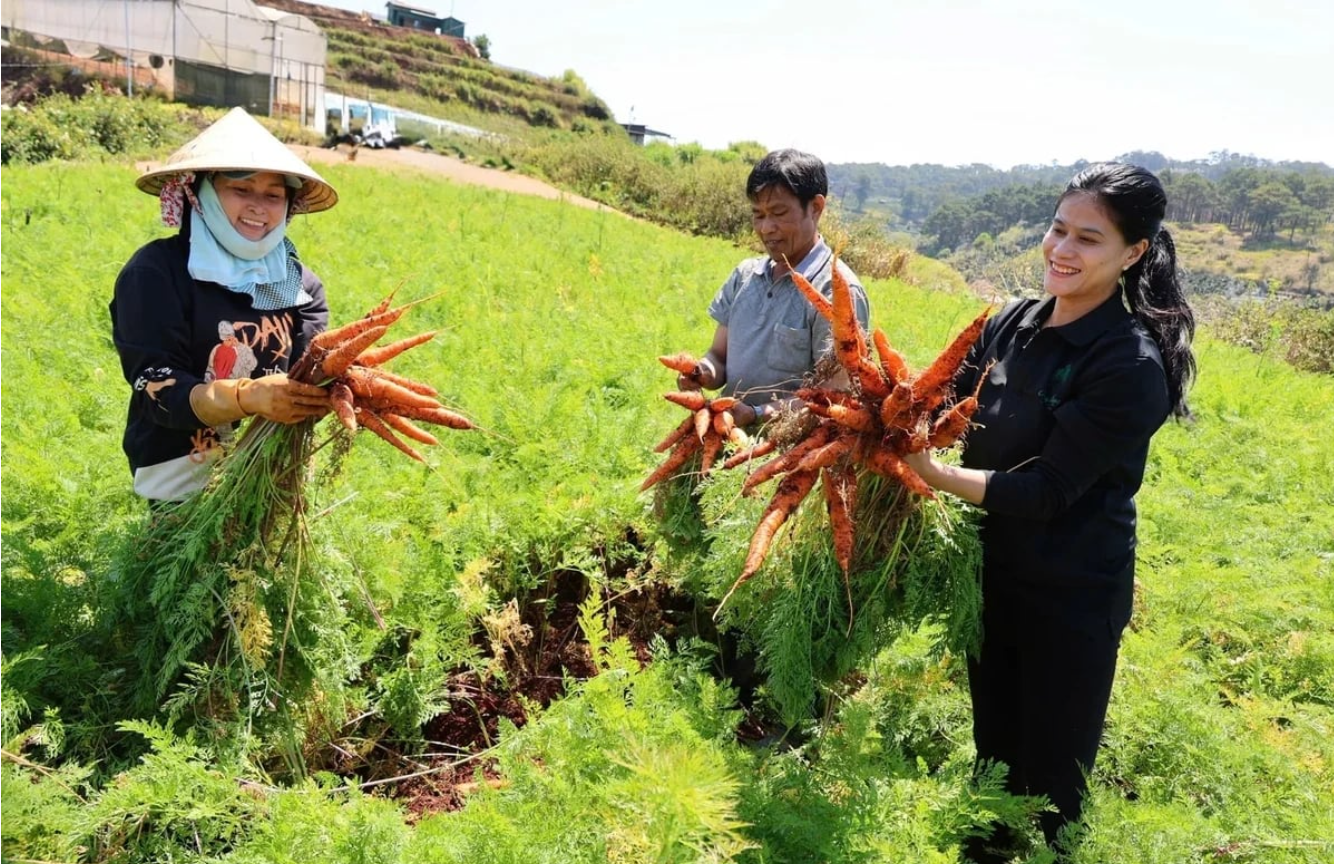
Ms. Pham Thi Thu Thuy, owner of Thuy Hung Organic Farm in Xuan Truong ward, Da Lat (Lam Dong), currently cultivates 6.6 hectares of certified organic vegetables, with about 40 types of seasonally rotated products such as carrots, potatoes, cauliflower, cabbage, and artichokes. The average output is about 15 tons per year, depending on weather conditions and seasons.
"When we started nearly 9 years ago, almost no one understood what organic farming was. To sell our products, we had to explain in detail to earn customers' trust. But once the process stabilized, the soil improved, and the plants grew more evenly, the product quality was ensured, prompting customers to return and stay long-term", Ms. Thuy shared.
Currently, the farm's products are supplied to about 50 stores across various provinces and cities, with Ho Chi Minh City being the primary market. However, according to Ms. Thuy, organic production remains heavily dependent on weather, especially during the rainy season, when pests and diseases thrive, reducing crop yields.
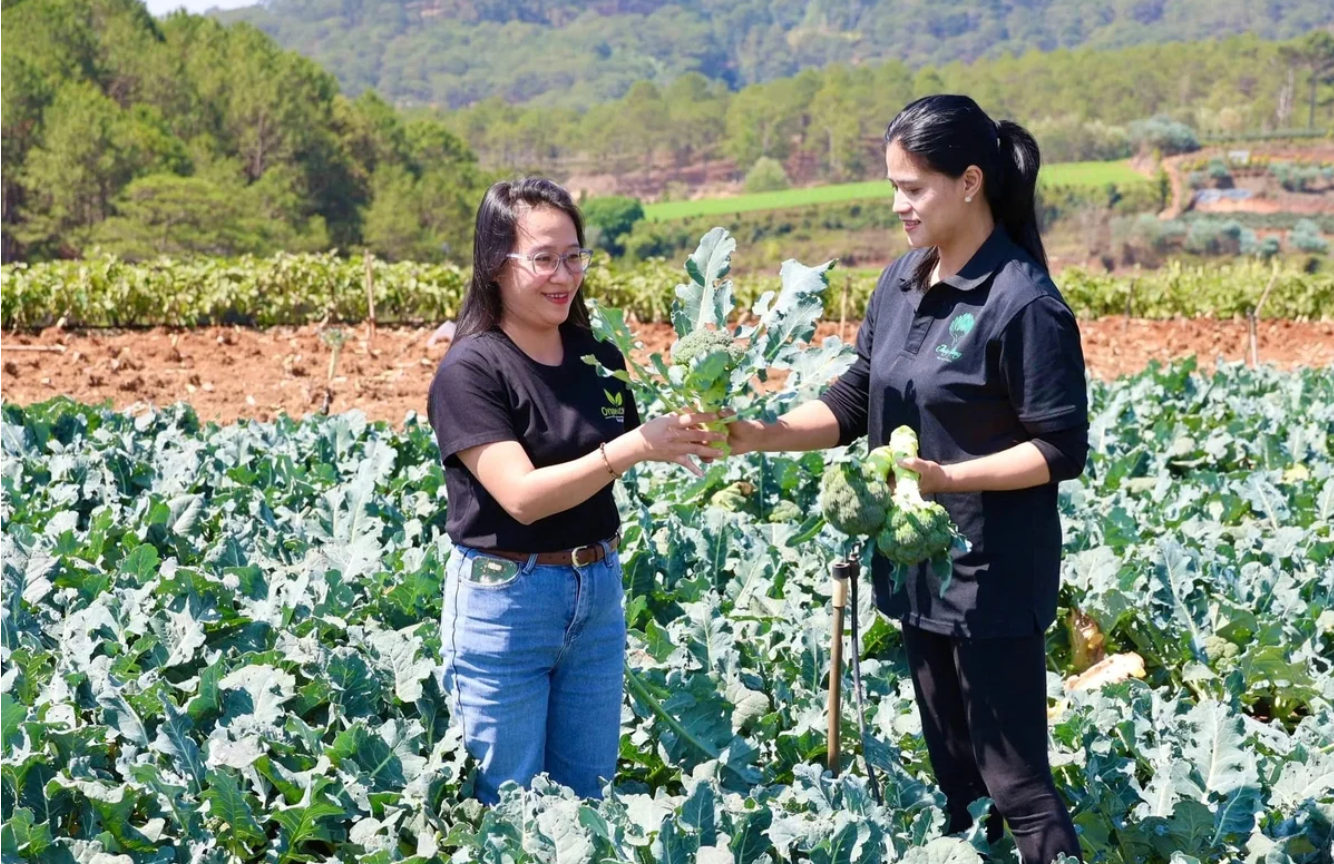
From these specific models, organic agriculture in Lam Dong is gradually expanding in scale. By the end of 2025, the province's total organic agricultural production area reached 2,095 hectares, exceeding the set target by 130%. Among these, some crops have formed relatively distinct production zones, such as 226.6 hectares of tea in Bao Loc and Bao Lam; 331.8 hectares of coffee in Lac Duong and Di Linh; and 113.82 hectares of vegetables in Da Lat, Don Duong, and Duc Trong. The entire province has also identified 171 zones eligible for organic production, encompassing over 162,398 hectares of arable land.
In the Cau Dat area of Xuan Truong ward, Da Lat, Mr. Bui Xuan Thang, Director of Cau Dat Bean Company, stated that choosing organic farming was not a trend but a response to environmental issues caused by previous farming practices.
"Previously, farmers used a lot of herbicides, which affected the soil and water sources. When transitioning to organic farming, plants are healthier, more resistant, and the farming environment improves significantly. Doing organic farming is not just about selling at higher prices, but for long-term sustainability", Mr. Thang shared.
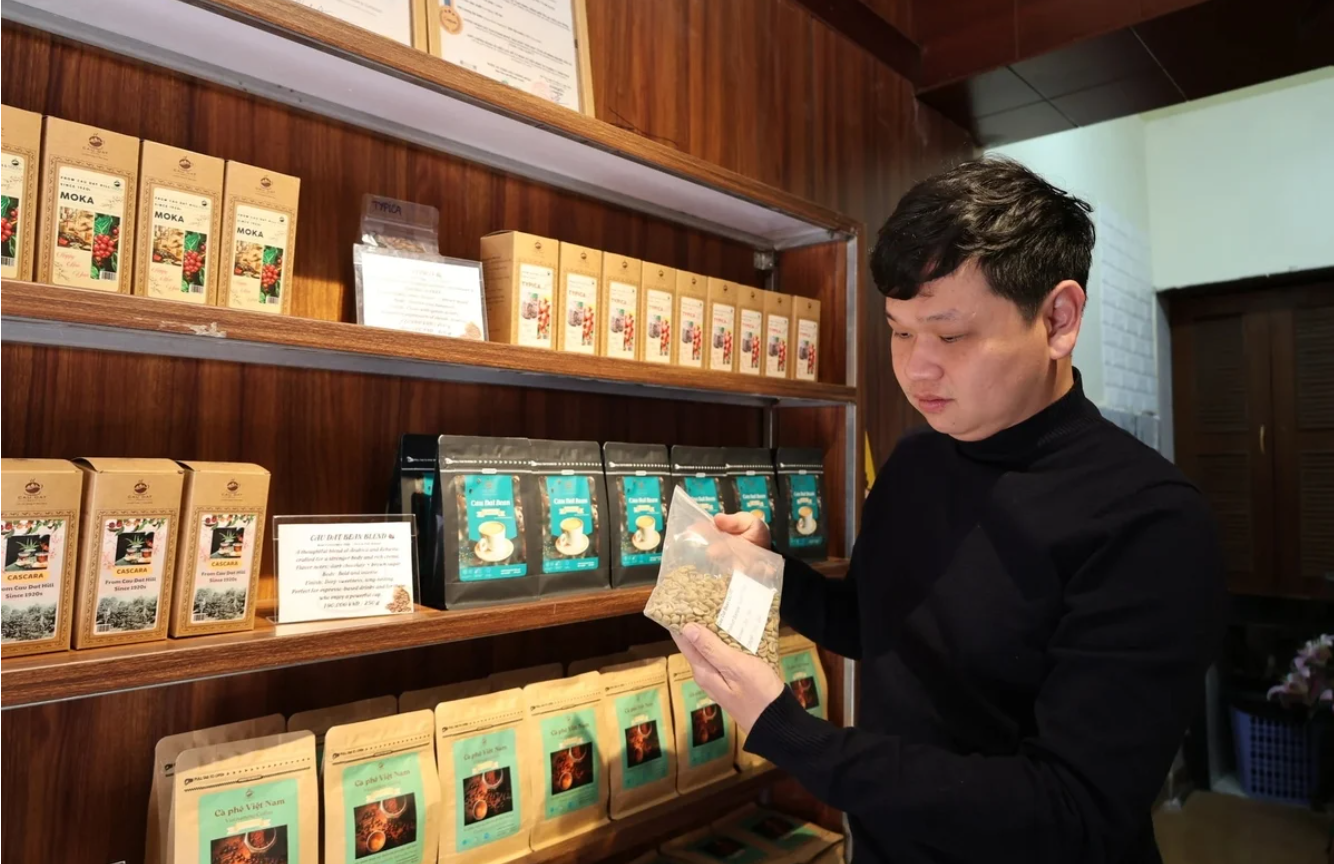
Currently, his enterprise partners with local households covering about 30 hectares of coffee, gradually transitioning to organic protocols. The output reaches approximately 700 tons of fresh coffee berries annually, equivalent to about 90 tons of green coffee beans. According to Mr. Thang, the initial transition phase was the most difficult because the plants had to adapt to a new farming method. However, once the soil ecosystem recovered, the coffee trees grew more stably and bean quality became more uniform, better meeting export market requirements.
Connecting production with consumption
In parallel with the transition in production, Lam Dong's organic agricultural product consumer market is gradually taking shape, creating motivation for farmers and businesses to maintain the model.
According to reports, the entire province has established 11 production-consumption linkage chains on a scale of over 281.4 hectares with 131 participating households, while supporting 15 entities to participate in trade promotion in various localities such as Ho Chi Minh City, Dong Nai and Can Tho. Several organic products like coffee, vegetables, rice and eggs now have stable outlets through consumption contracts.
Mr. Nguyen Nhat Kien, a representative of an organic food store in Ho Chi Minh City, said consumer demand is visibly increasing, especially among customers concerned about food quality. Currently, the store consumes about 800 kg of organic vegetables per month, mainly supplied from Lam Dong.
Through its implementation, organic agriculture in Lam Dong has laid a foundation in both production and markets, contributing to the transformation of farming methods toward more eco-friendly practices.
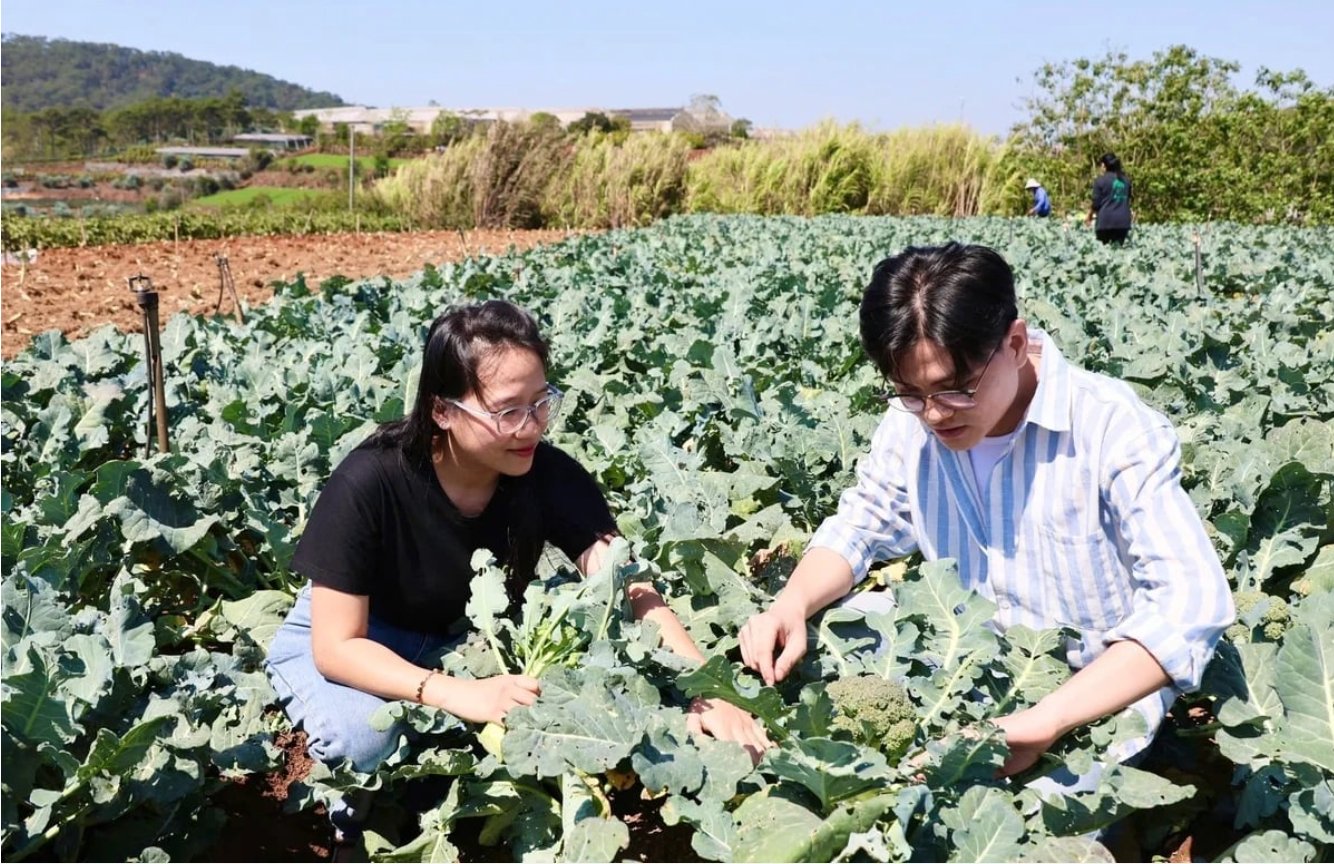
According to the Lam Dong Agricultural Extension Center, despite achieving many positive results, the development of organic agriculture still faces several challenges. Therefore, it is necessary to continue perfecting mechanisms and policies, allocating resources and strengthening production-consumption linkages to enhance implementation efficiency in the coming time.
In the process of agricultural transformation towards greening, emission reduction, and sustainable development, organic farming in Lam Dong is gradually asserting its role in the locality's agricultural development.
Organic farming is not just a production method but is becoming a long-term solution to protect soil and water resources while elevating the value of agricultural products. Stemming from specific models, this practice is spreading, gradually reshaping production methods and market approaches.
Nhat Tien