Camera traps protect My Son Sanctuary's landscape
Using camera traps at My Son helps scientifically assess wildlife and protect the heritage site per UNESCO and IUCN recommendations.
According to the modern world heritage conservation approach of UNESCO and the International Union for Conservation of Nature (IUCN), protecting outstanding universal values goes beyond conserving tangible architectural and archaeological elements. It also encompasses maintaining the integrity of the entire landscape and ecological context associated with the heritage. In which forest ecosystems and biodiversity components, especially wildlife, are considered crucial indicators reflecting the intactness of the habitat and the stability of natural ecological processes.
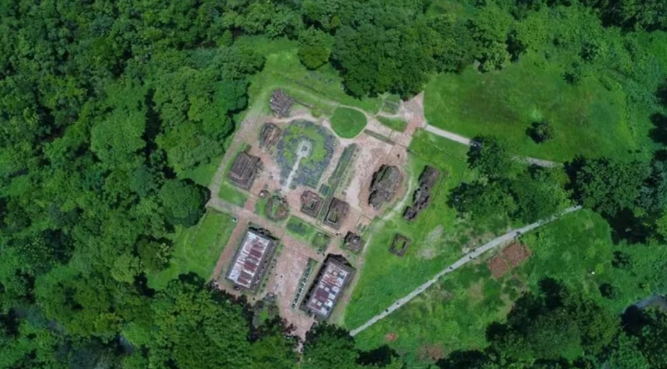
The My Son relic landscape protection zone surrounds the core relic area, established and managed as an ecological buffer zone. This area plays a vital role in mitigating negative external impacts, maintaining landscape continuity, and supporting the long-term conservation of the outstanding universal values of the My Son World Cultural Heritage site per UNESCO's recommendations. The My Son relic complex can only be sustainably conserved when the surrounding forest area maintains its core structure, function and biological values.
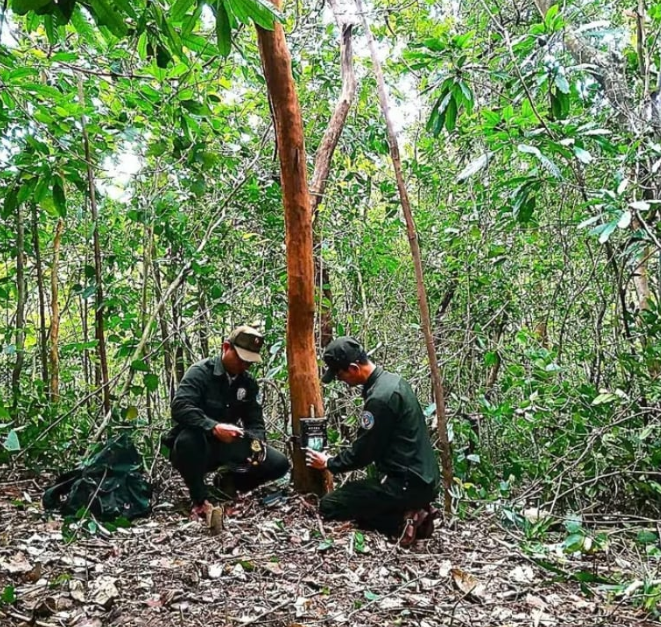
Executing the plan to establish a camera trap system for biodiversity monitoring, since late November 2025, the Management Board of My Son Landscape Protection Zone has collaborated with the Da Nang City Special-Use Forest Management Board to survey and install 30 camera traps across all sub-compartments within the over 1,160-hectare forest. Monitoring activities were maintained continuously for months, ensuring coverage of different animal activity phases across seasons and times of day.
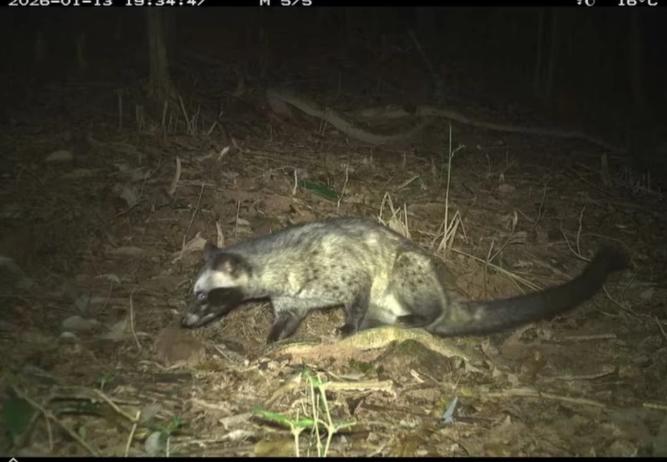
The results documented the presence of 27 wild animal species across various taxonomic groups, including endangered species listed by the IUCN and Group IIB species under Vietnamese law. This demonstrates that the My Son forest still maintains a crucial ecological foundation and a significant level of biodiversity relative to its size.
Camera trapping is a non-invasive wildlife monitoring method. It allows for the objective recording of species presence, activity frequency, and spatial distribution patterns, proving especially effective for shy, nocturnal mammals. Applying the camera trap system not only serves research purposes but also acts as a "magic eye," aiding forest protection forces in detecting unusual fluctuations and enabling timely responses.
According to Mr. Nguyen Cong Khiet, Director of the My Son World Cultural Heritage Management Board, as forest protection faces mounting challenges, applying science and technology to forest resource management is becoming an inevitable trend. The My Son Management Board emphasizes technology transfer, such as SMART patrol management software, positioning systems, monitoring support equipment and camera traps.
In the coming time, the Management Board will continue to expand cooperation with international nature conservation organizations to update modern technologies. Many advanced technological solutions are expected to be tested and applied in practice, such as forest-monitoring flycams, unmanned aerial vehicles (UAVs), and automatic forest-fire detection systems, thereby enhancing resource management efficiency and strongly supporting forest protection and biodiversity conservation in My Son.
Hong Ngoc