ESG - New rules of the game for global agriculture
By implementing digital solutions alongside ESG standards, businesses can gain access to green finance, paving the way for agricultural products to integrate deeply into global value chains.
Recently in Hanoi, the Institute of International Economics and Law, in collaboration with the Viet Nam Rural Industry Research and Development Institute (VIRI) and the Asian Venture Philanthropy Network (AVPN), organized the international workshop “Action for the Future: ESG in Sustainable Agriculture.”
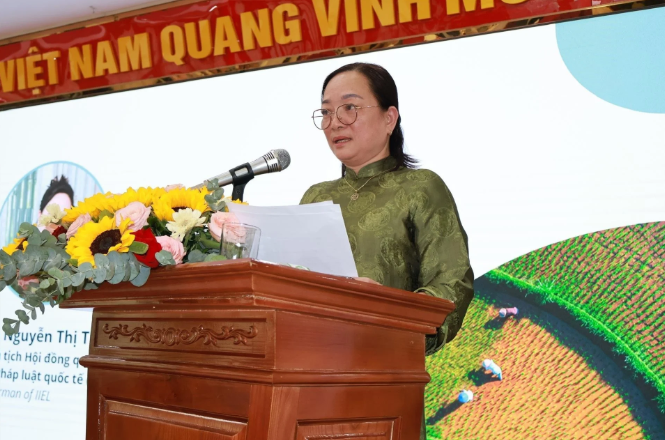
In her opening speech, Dr. Nguyen Thi Thu Hien, Chairwoman of the Management Council of the Institute of International Economics and Law (IIEL), emphasized that amid intensifying climate change and increasingly stringent international standards on environmental, social, and governance (ESG) practices, Viet Nam’s agricultural sector is under mounting pressure to accelerate its green transition.
“Major export markets such as the EU, the United States, and Japan are tightening requirements on supply chain transparency, traceability, and emissions reduction. ESG is therefore no longer a voluntary option, but has become a mandatory condition for businesses seeking to strengthen competitiveness and integrate more deeply into global value chains.
To avoid being excluded from international value chains, Vietnamese agricultural enterprises must accelerate their green transition and regard ESG as a core competitive capability,” Dr. Hien stated.
From the perspective of international investors, Ms. Naina Subberwal Batra, CEO of Asian Venture Philanthropy Network, said that global ESG investment trends are shifting strongly from “risk screening” toward “impact investing,” with blended finance playing an increasingly important role in mobilizing resources for sustainable development.
According to Ms. Batra, ESG capital flows are currently prioritizing agricultural models that reduce emissions, use water resources efficiently, ensure sustainable livelihoods, and enhance climate resilience. Vietnam is considered to have significant opportunities to participate more deeply in global value chains if businesses can effectively meet ESG standards and ensure transparency in sustainable development data.
“ESG is gradually becoming a ‘passport’ that enables businesses to access international investors and multinational corporations,” the AVPN representative emphasized.
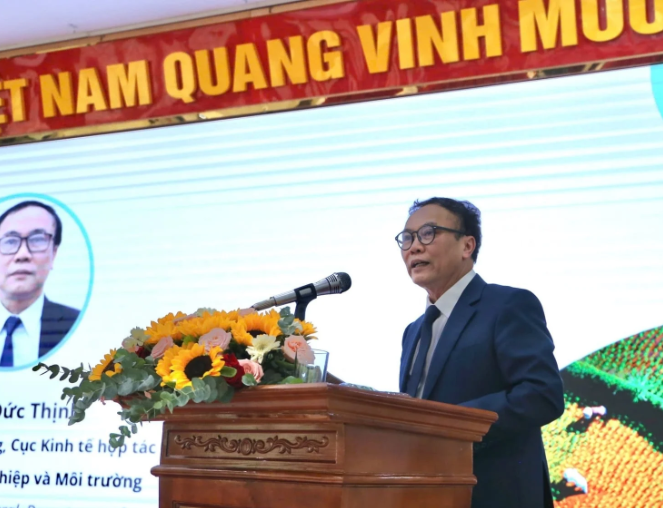
Discussing the role of technology in the green transition, Mr. Le Duc Thinh, Director General of the Department of Cooperatives Economy and Rural Development, said that ESG is becoming an important driving force for steering Vietnam’s agriculture toward a greener, more modern, and more sustainable development path.
According to Mr. Thinh, science, technology, and innovation will play a key role in reducing emissions, improving productivity, enhancing supply chain transparency, and increasing the competitiveness of Vietnamese agricultural products.
The MAE representative also proposed promoting digital transformation, developing green cooperatives, expanding green finance, and building carbon markets in order to foster an ecological, modern, and inclusive agricultural sector.
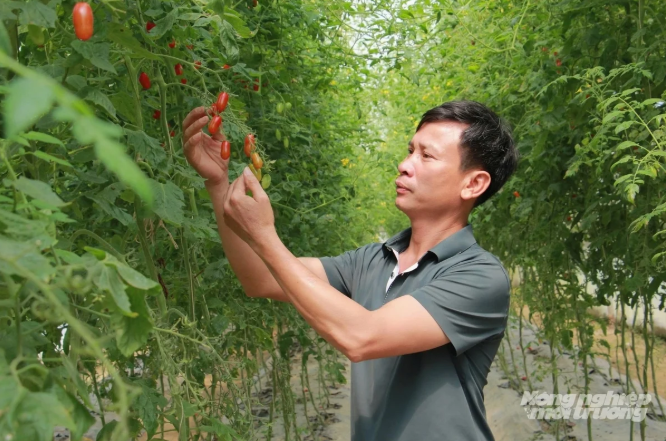
At the workshop, delegates also focused discussions on opportunities for global cooperation in ESG, trends in impact investment flows, solutions for emissions reduction in circular agriculture, efficient resource utilization, and the role of technology in advancing green agriculture.
Many participants noted that in order to effectively attract ESG capital, Viet Nam needs to continue improving support policies for businesses, build transparent data systems, standardize impact measurement, and accelerate the application of digital technologies in agricultural supply chain management.
At the same time, stronger cooperation among the government, businesses, international organizations, and investment funds is needed to create a comprehensive ecosystem supporting the green transition of the agricultural sector in the years ahead.
Phuong Linh