Viet Nam, FAO expand resource mobilization for green cooperation
Agrifood systems transformation, transboundary disease control, disaster risk reduction and gender equality are key cooperation areas for 2027-2031.
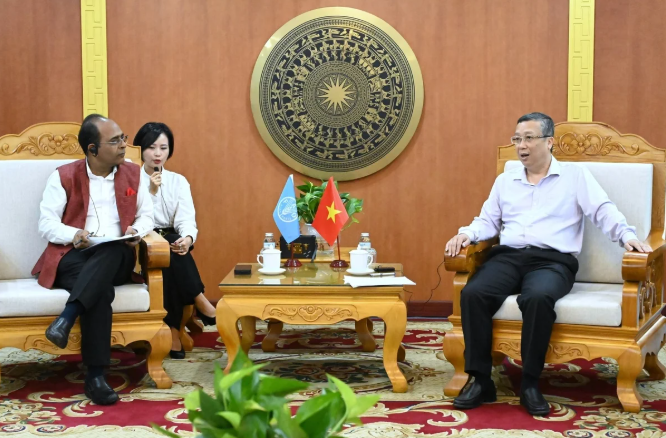
On May 19, Deputy Minister of Agriculture and Environment Hoang Trung paid a courtesy visit to Vinod Ahuja, FAO Representative in Viet Nam.
Trusted partnership, shared vision
Recalling the recent high-level visit by National Assembly Chairman Tran Thanh Man and his meeting with FAO Director-General Qu Dongyu in Rome, Deputy Minister Hoang Trung described the occasion as a milestone reflecting the strong political trust and increasingly close cooperation between Viet Nam and FAO in the areas of agricultural and rural development, natural resource management, and food security.
Key programs, projects, and initiatives implemented by the Ministry of Agriculture and Environment with FAO’s support have focused on enhancing the role of smallholder farmers and increasing their benefits within agricultural value chains, improving food safety and nutrition, and contributing to the transformation towards sustainable agrifood systems.
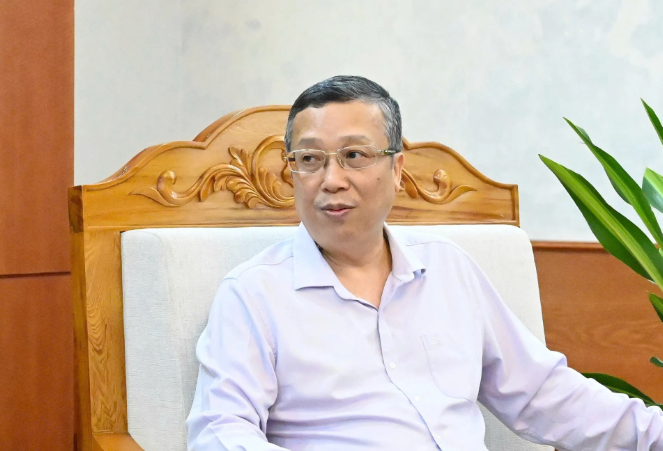
At the meeting, Deputy Minister Hoang Trung said the Ministry of Agriculture and Environment is strongly promoting South-South Cooperation in agriculture, following growing interest from many countries seeking Viet Nam’s support in sharing policy development experience and transferring production techniques for key crops such as rice, cassava, and soybean.
“The Ministry’s establishment of a South-South Cooperation Working Group will help strengthen the implementation of technical assistance programs, as well as the transfer of farming practices, crop varieties, experts, and best available resources to countries in Africa and South America,” the Deputy Minister said.
Accordingly, the Ministry’s leadership called on FAO to continue leveraging its role in connecting financial mechanisms and mobilizing international resources to support the Ministry’s initiatives in the coming period.
Mr. Vinod Ahuja said Viet Nam has the potential to become a model for South-South Cooperation, not only because of its technological achievements but also thanks to its governance experience and policy innovation. FAO reaffirmed its readiness to accompany Viet Nam on this journey through technical support, policy advice, tools, and global investment resources.
Mobilizing resources and technical support for agriculture transformation
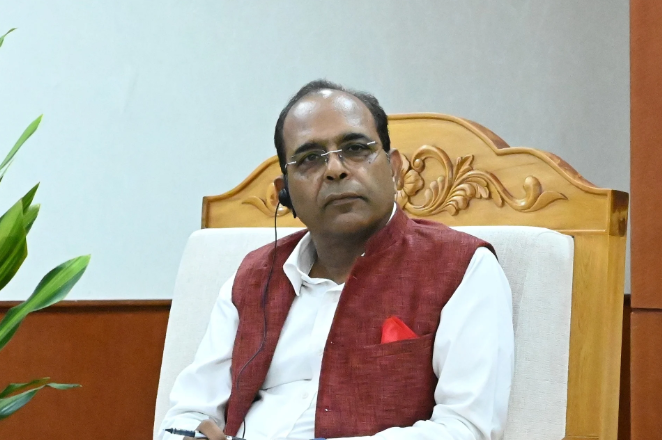
FAO Representative Vinod Ahuja said that after nearly one year working in Viet Nam, he considers the country to have one of the most dynamic economic growth rates in the region, while also entering a period of strong agricultural transformation driven by the dual goals of “green and digital” development.
“FAO’s role is to accompany Viet Nam as it enters a new stage of development with an agriculture sector that is greener, more resilient, more efficient, and more competitive,” Mr. Vinod Ahuja stressed.
One of the key issues highlighted by both sides was the development of sustainable, inclusive and climate-resilient agrifood systems.
Mr. Vinod Ahuja added that FAO Viet Nam is preparing a technical support package focused on pilot activities, demonstration models, enhancing investment readiness, and developing initiatives eligible for access to climate finance.
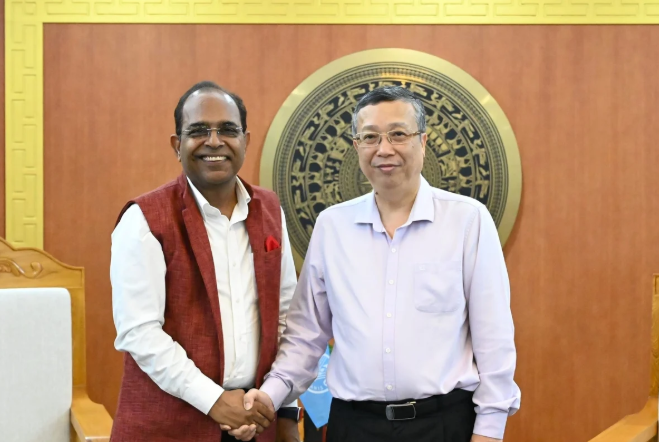
FAO also expressed its desire to expand cooperation with the Ministry of Agriculture and Environment to promote gender equality, stressing that farmers, cooperatives, women, and young people should be at the center of this transformation. Deputy Minister Hoang Trung acknowledged the proposal and said the Ministry would contribute to reports related to this field and continue discussions to implement more practical and effective activities.
Reaffirming its long-term commitment, the Deputy Minister proposed that FAO continue accompanying the Ministry of Agriculture and Environment across multiple areas, not only to ensure national food security but also to contribute responsibly to stable regional food supply chains.
Mr. Vinod Ahuja said that following the recent visit by Viet Nam’s senior leaders, FAO hopes to translate the strong political trust into more substantive cooperation programs with the Ministry of Agriculture and Environment, focusing on technical implementation, pilot models, investment mobilization, and the development of initiatives capable of accessing climate and development finance.
Programs related to compliance with water resource regulations, control of transboundary diseases, disaster risk reduction, and agrifood systems transformation will be actively implemented by both sides to ensure progress and effectiveness.
Kieu Chi