Joining hands to conserve nature, effectively implement the biodiversity strategy
The 2026 Biodiversity Workshop proposed a range of solutions aimed at strengthening nature conservation and promoting the participation of local communities.
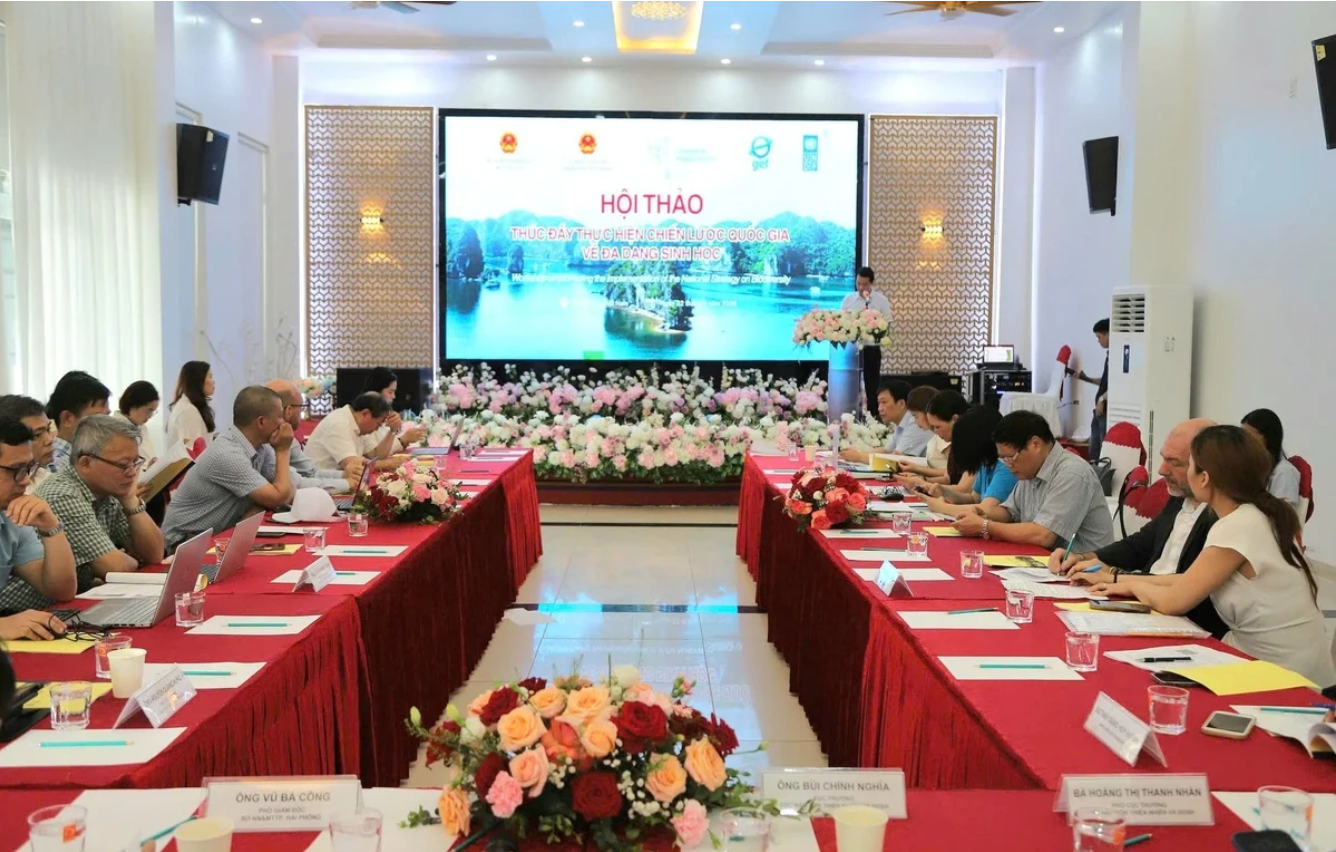
As part of activities marking the 2026 International Day for Biological Diversity, on May 22, the Ministry of Agriculture and Environment co-organized the workshop “Promoting the Implementation of the National Biodiversity Strategy.”
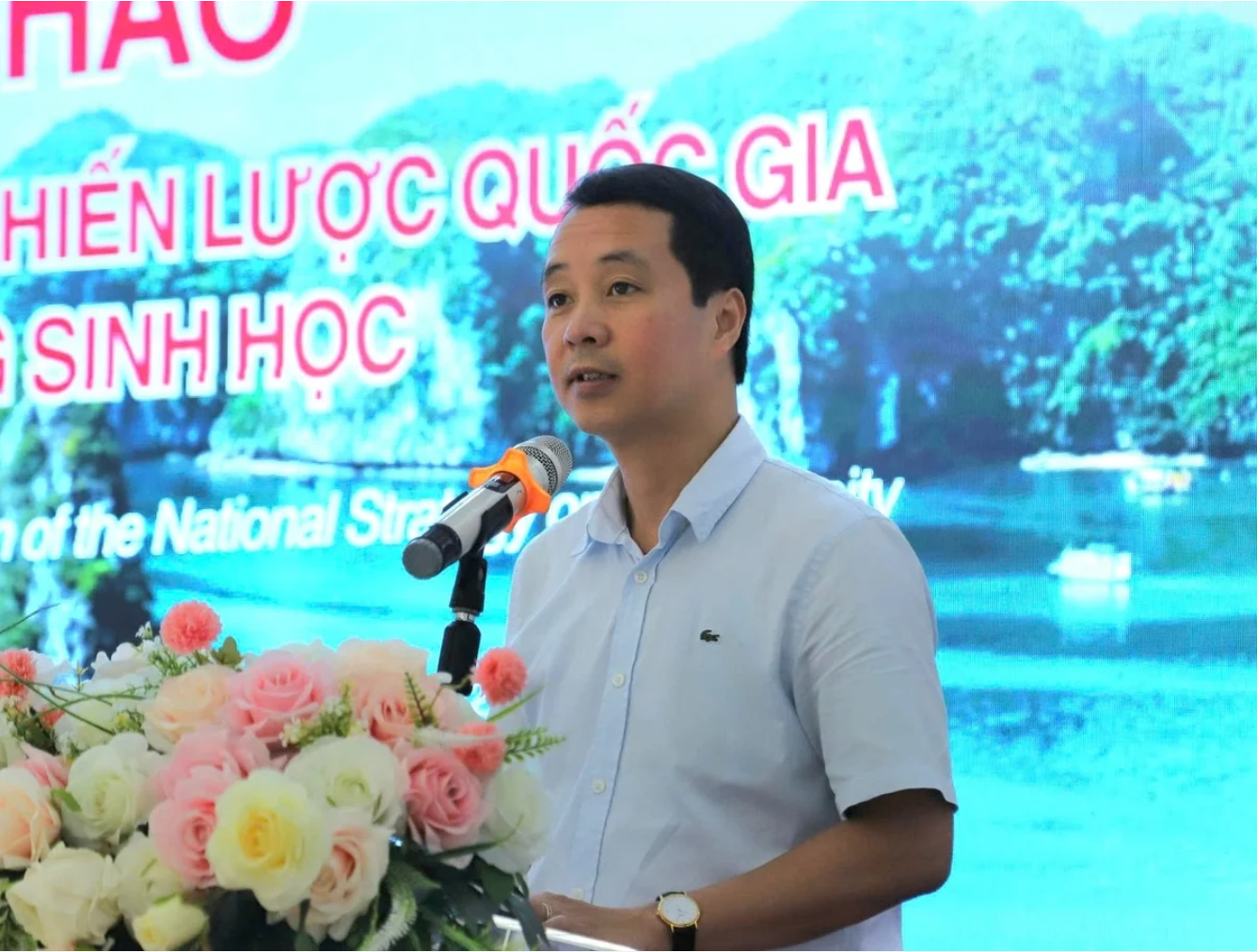
Speaking at the workshop, Mr. Bui Chinh Nghia, Director General of the Nature and Biodiversity Conservation Agency, emphasized that biodiversity plays a particularly important role in sustainable development, ecological security, food security, people’s livelihoods, and resilience to climate change. Viet Nam is recognized as one of the world’s biodiversity-rich countries, possessing diverse natural ecosystems, numerous endemic and rare species, and valuable genetic resources.
However, in recent years, biodiversity has continued to face increasing pressure from habitat degradation, overexploitation of natural resources, environmental pollution, and climate change.
Therefore, the implementation of the National Biodiversity Strategy to 2030, with a vision toward 2050, holds special significance in translating Viet Nam’s international commitments under the Convention on Biological Diversity into concrete actions, while also contributing to the implementation of the Kunming–Montreal Global Biodiversity Framework (GBF).
At the workshop, management agencies, local authorities, international organizations, experts, and other stakeholders exchanged experiences and proposed solutions to strengthen the effective implementation of the National Biodiversity Strategy in the coming period.
Delegates also shared various initiatives and efforts by international organizations and development partners in supporting the implementation of the National Biodiversity Strategy and the Global Biodiversity Framework, as well as models that promote the participation of local communities in nature conservation and protected area management.
According to Mr. Nguyen Quang Hung, Deputy Director General of the Directorate of Fisheries and Fisheries Surveillance, the Prime Minister has approved a project on expanding and establishing new marine protected areas, aquatic resource protection zones, and restoring marine ecosystems through 2030. Under the project, marine and coastal protected areas are expected to cover 6% of Viet Nam’s natural marine area. This is considered an important solution for restoring marine ecosystems and protecting aquatic resources.
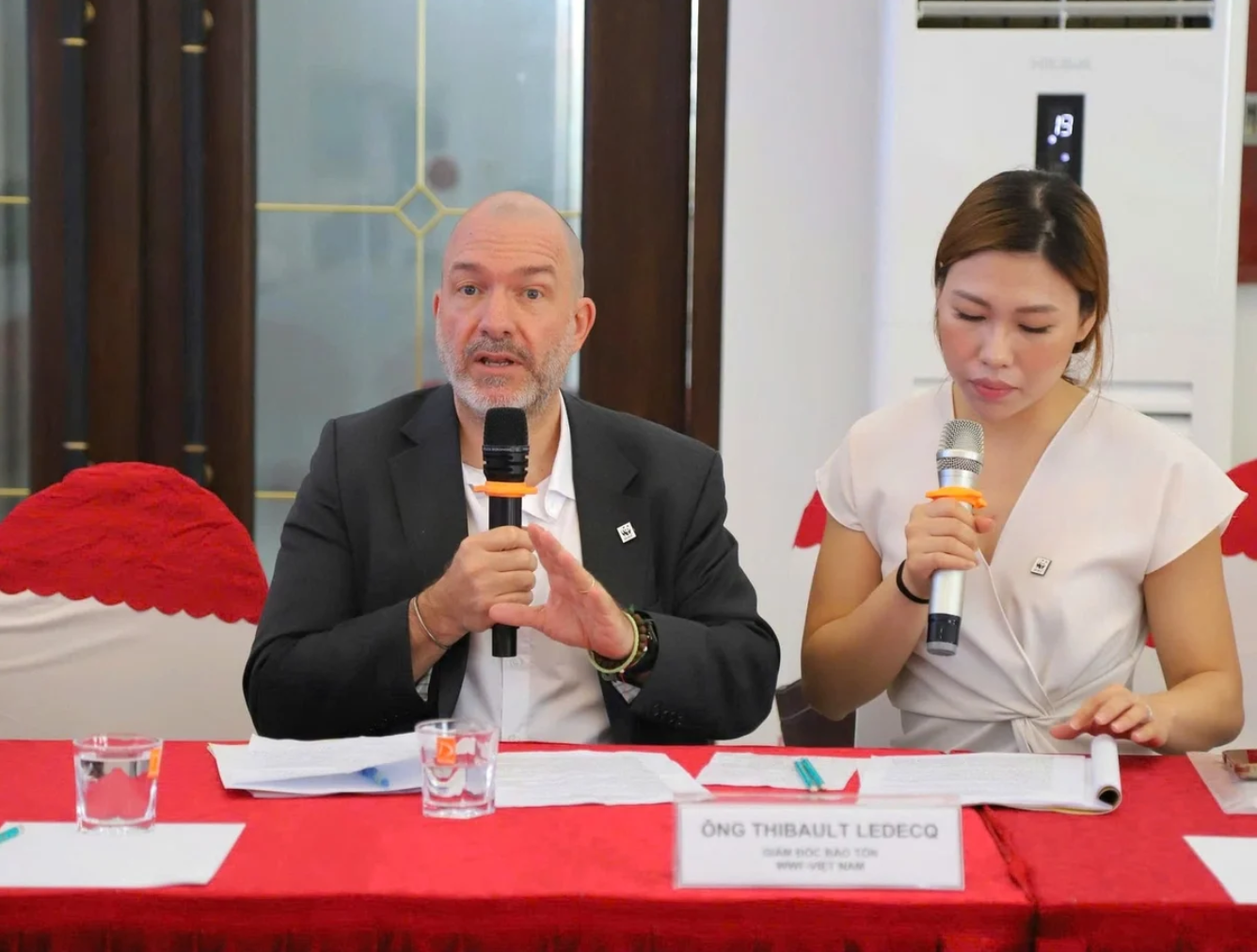
Thibault Ledecq noted that this is a “golden opportunity” for Viet Nam to advance pilot recognition and reporting of Other Effective Area-Based Conservation Measures (OECMs), especially community-based OECM models. Therefore, the early development of technical guidelines and support mechanisms for OECMs is not only a requirement for state management but also a crucial condition for sustaining long-term community participation in nature conservation efforts.
WWF-Viet Nam reaffirmed its commitment to continue working closely with the Ministry of Agriculture and Environment, local authorities, and relevant partners to mobilize resources, provide technical support, promote international cooperation, share experiences, and implement effective conservation models. These efforts aim to support Viet Nam in achieving its national targets and fulfilling international commitments on biodiversity conservation, particularly the 30x30 target under the Global Biodiversity Framework.
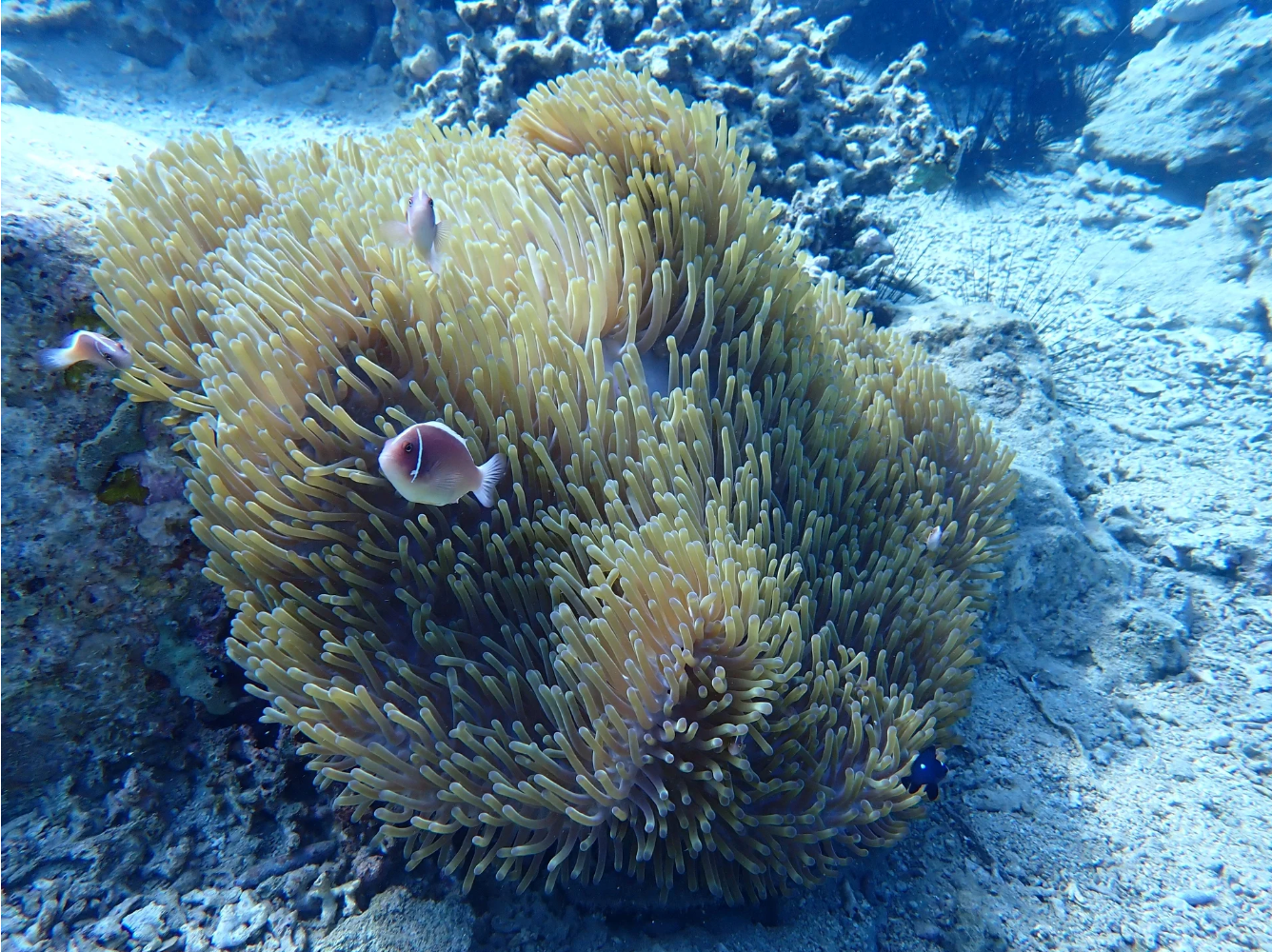
Professor, Doctor of Science, and ASEAN Biodiversity Hero Dang Huy Huynh emphasized that protecting nature also means protecting human life and the future of sustainable development. He called on all sectors of society to join hands in conserving biodiversity for a green, clean, beautiful, and happy living environment.
Concluding the workshop, Ms. Hoang Thi Thanh Nhan, Deputy Director General of the Nature and Biodiversity Conservation Agency, affirmed that the achievements attained, together with the spirit of cooperation among ministries, sectors, local authorities, international organizations, and communities, will serve as an important foundation for improving the implementation of the National Biodiversity Strategy in the coming period, contributing to green and sustainable development in Viet Nam.
Van Phong