UNDP, Norway partners to train students on marine spatial planning
Lecturers and researchers just received in-depth training on marine spatial planning and sustainable marine economic development in Viet Nam.
Viet Nam Maritime University recently co-organized a training course for core lecturers on "Marine spatial planning and sustainable marine economic development in Viet Nam."
The training course falls within the cooperative program "Assessing the potential for green maritime development and capacity building for a sustainable marine economy in Vietnam", accompanied by the Norwegian Embassy in Hanoi and the United Nations Development Programme (UNDP) in Viet Nam.
The training took place from May 18 to 22, with an intensively designed program focusing on the core aspects of marine and coastal management. Accordingly, trainees were introduced to topics such as marine spatial planning and integrated coastal management; management of coastal and maritime spatial issues; and sustainable marine economy linked with sustainable marine infrastructure development.
The course attracted 30 trainees from various agencies, universities and research institutes, including the Vietnam Academy of Science and Technology; VNU University of Science; Hai Phong University; Thuyloi University; and the Departments of Agriculture and Environment of Ninh Binh and Ha Tinh provinces.
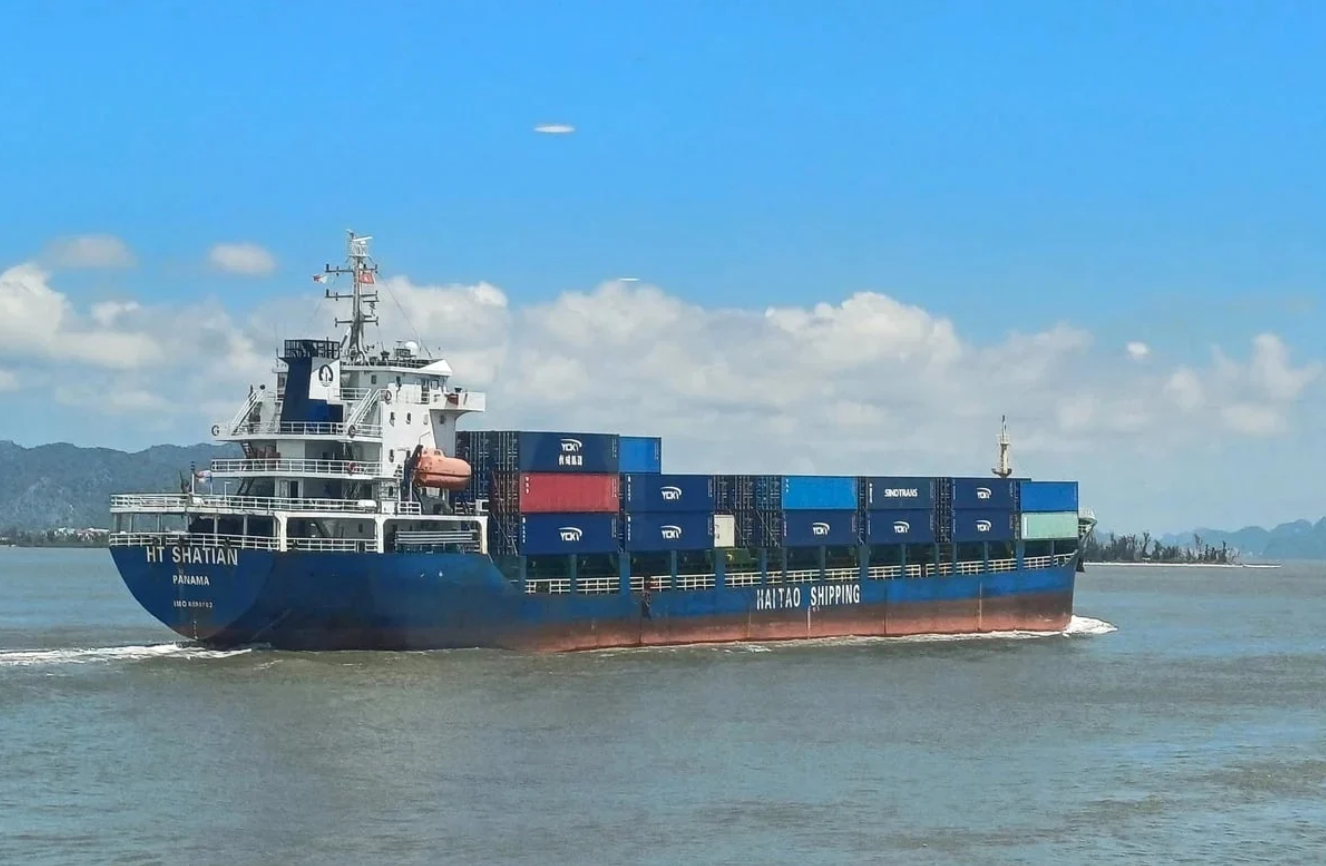
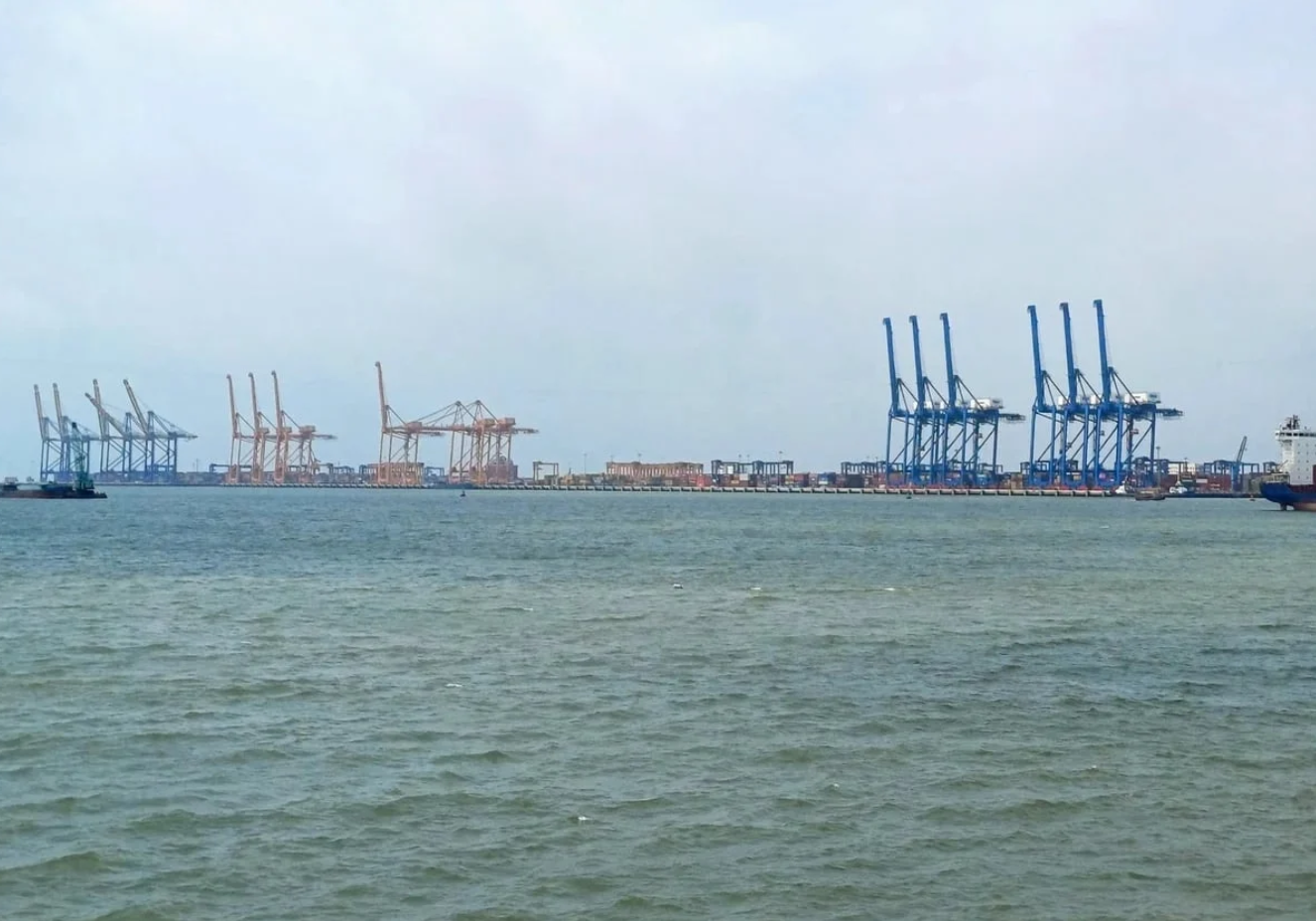
Notably, on May 21, the Organizing Committee conducted a field trip to Cai Lan Port and Ha Long Bay. This activity aimed to help trainees directly experience the reality of seaport development, maritime infrastructure, coastal spatial management, and marine ecosystem conservation.
Assoc. Prof. Dr. Nguyen Minh Duc, Vice President of Viet Nam Maritime University, stated that trends in green maritime development, green ports, low-emission shipping, and sustainable ocean governance are becoming the strategic orientations of the international maritime community. Simultaneously, the International Maritime Organization's (IMO) net-zero emission target poses urgent requirements for maritime training institutions and management agencies. As a key training institution in the maritime sector, the university is actively promoting training, scientific research, and international cooperation related to green maritime development, the blue marine economy, marine environmental protection and maritime digital transformation.
Ms. Mette Møglestue, Deputy Head of Mission at the Norwegian Embassy in Hanoi, emphasized that marine spatial planning plays a vital role in promoting sustainable marine economic development linked to marine ecosystem protection. Effectively implementing this field requires a solid professional knowledge foundation along with close coordination among multiple stakeholders. In the context of Vietnam aiming to become a high-income country by 2045 and achieve net-zero emissions by 2050, the marine economy is identified as a crucial driving force for sustainable development.
A UNDP expert noted that Vietnam possesses enormous maritime potential given its strategic location on international shipping routes. Therefore, promoting marine spatial planning, marine resource governance and sustainable blue marine economic development holds special significance in the current period.
According to the Organizing Committee, the training course will serve as a premise to continue deploying programs that promote the blue marine economy in Vietnam through marine spatial planning and a multi-stakeholder approach between the Norwegian Embassy in Viet Nam and UNDP in Viet Nam in the coming time.
Hoang Phong