EuroCham proposes a 3-stage roadmap for EPR implementation
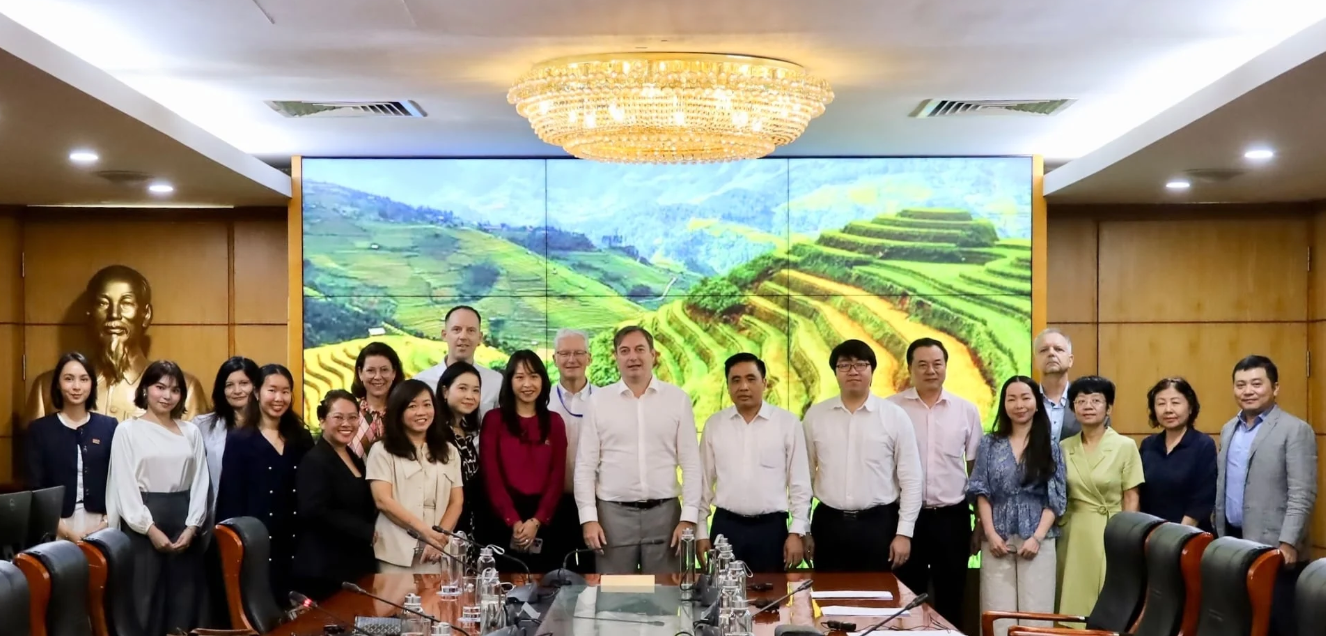
On May 21, Deputy Minister Nguyen Quoc Tri worked with EuroCham to discuss cooperation in agriculture, antimicrobial resistance control, and climate change adaptation.
Identifying bottlenecks in EPR implementation
Regarding the implementation of Extended Producer Responsibility (EPR), Bruno Jaspaert, Chairman of the European Chamber of Commerce in Viet Nam, noted that the declaration process on the National EPR Information Portal still faces several technical issues, including errors in automatic calculations and limitations in decimal input.
He therefore urged the ministry to soon establish a roadmap for upgrading the technical system and issue a set of national standard guidelines to support businesses in implementing EPR in a more consistent and transparent manner. He also called for a transparent financial mechanism for recycling support contributions paid into the Viet Nam Environmental Protection Fund to avoid placing a “double cost burden” on businesses.
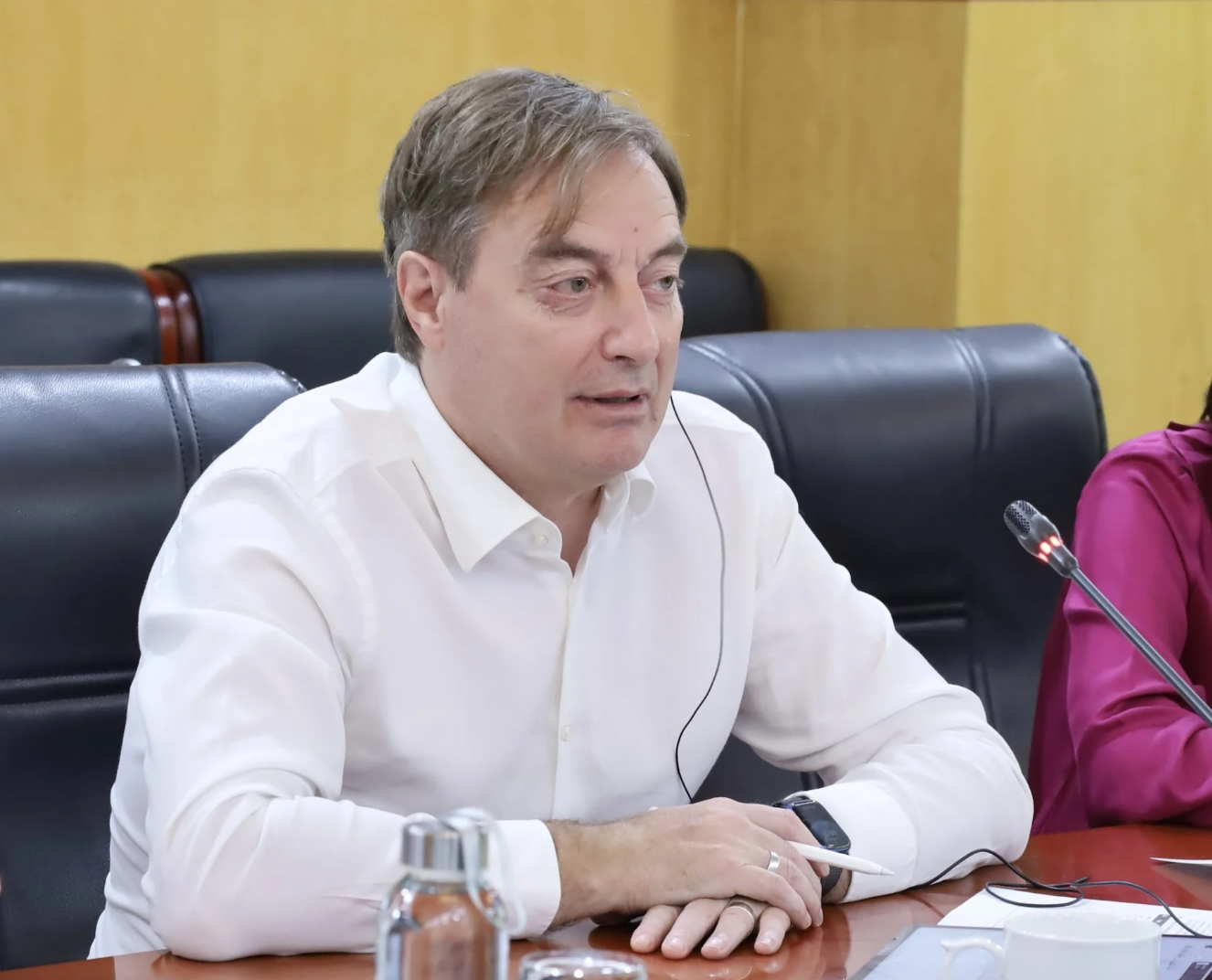
Responding to these concerns, representatives of the Department of Environment said that the Ministry of Agriculture and Environment (MAE) is continuing to review, upgrade, and improve the National EPR Information System to ensure stability, consistency, and accuracy, while also facilitating businesses’ compliance with recycling obligations.
The system is also being updated to align with Decree No. 110/2026/ND-CP, issued by the Government on April 1, 2026, regarding the recycling responsibilities for products and packaging, as well as waste treatment obligations for manufacturers and importers.
In addition, the ministry regularly compiles difficulties encountered during declaration and registration procedures on the National EPR System to provide timely guidance and support through training workshops, official guidance documents, and direct communication mechanisms with businesses.
Regarding recycling support contributions, MAE affirmed that the management and use of financial contributions through the Viet Nam Environmental Protection Fund are conducted in accordance with the principles of transparency, accountability, proper purpose, and correct allocation.
Under the new regulations, the review and approval of support results must be accompanied by opinions from the National EPR Council. The ministry is currently restructuring the council, with representatives from manufacturers, importers, and related organizations, to strengthen oversight by the business community.
Within the framework of the One Health Partnership, EuroCham proposed that MAE clarify the roadmap for communication, implementation, and monitoring to reduce antibiotic use in livestock farming and aquaculture.
In response, the ministry said it is intensifying communication efforts on antimicrobial resistance among regulatory agencies, businesses, and international partners participating in the One Health program. Viet Nam’s Law on Animal Husbandry already prohibits the use of antibiotics in animal feed for growth promotion purposes. In addition, Decree 13 sets out a roadmap for the gradual phase-out of antibiotics used for disease prevention purposes.
The Department of Livestock Production and Animal Health has been assigned to inspect and monitor the use of antibiotics in the prevention and treatment of animal diseases.
MAE is currently implementing annual antimicrobial resistance monitoring programs in the livestock and aquaculture sectors under a risk-based management approach, focusing on high-risk facilities or those with a history of violations.
At the same time, the ministry has directed a review and supplementation of penalty regulations governing the improper use of antibiotics in livestock production and veterinary practices to strengthen efforts to prevent antimicrobial resistance.
“Regarding data infrastructure, the Department of Animal Health and Production is developing an information portal based on the platforms of the WOAH and Codex Alimentarius Commission standards. By 2027, the system is expected to be integrated with the Ministry of Health’s database; by 2030, it will fully update periodic monitoring programs to enable comprehensive data sharing on antimicrobial resistance among regulatory agencies,” a department representative said.
Toward smart cities and green infrastructure
In addition to environmental protection and the circular economy, EuroCham expressed interest in climate-adaptive urban development models such as the “Sponge City” approach.
European businesses also urged MAE to issue clear technical guidelines and simplify procedures for environmental impact assessment (EIA) and environmental licensing for environmental protection projects, green airports, and green ports to facilitate investment.
Regarding this issue, MAE has updated the National Adaptation Plan for the 2021-2030 period, with a vision toward 2050 (NAP), approved by the Prime Minister under Decision No. 1422/QD-TTg dated November 19, 2024.
Accordingly, several key solution groups have been identified, including upgrading drainage systems and flood prevention infrastructure for major cities and coastal urban areas; piloting technical solutions to adapt to flooding caused by heavy rainfall, high tides, and sea-level rise; and integrating climate adaptation measures into coastal urban planning.
“MAE has issued a number of circulars guiding impact assessments, vulnerability assessments, and the integration of climate change response measures into strategies, planning, and infrastructure design. In the coming period, we will continue coordinating with the Ministry of Construction and local authorities to improve standards and technical regulations for climate adaptation in urban infrastructure planning, design, and management,” a representative of the Department of Climate Change said.
Concrete roadmap
EuroCham’s Agri-Food Subcommittee proposed establishing promotion groups between European businesses and MAE working groups to implement pilot projects with Vietnamese farmers and enterprises.
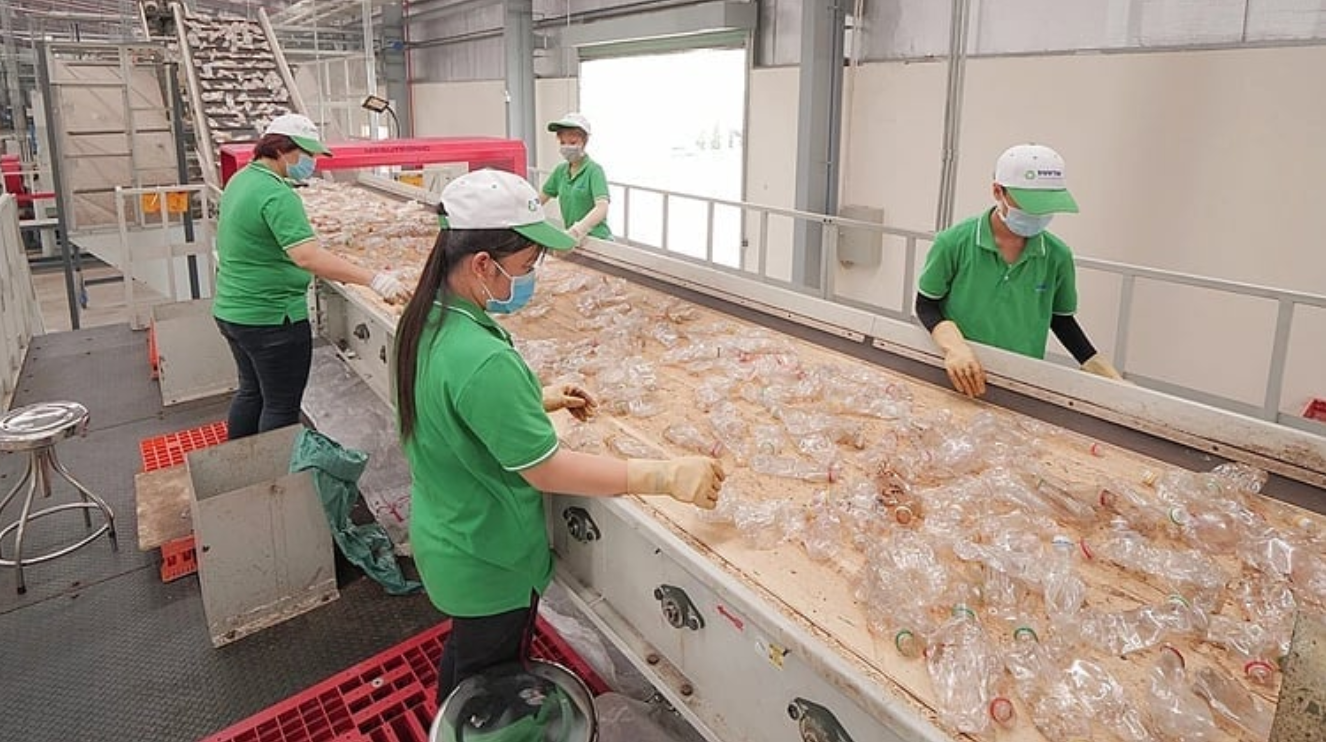
Meanwhile, the head of EuroCham’s Wine and Spirits Subcommittee proposed allowing businesses to make financial contributions to the Vietnam Environmental Protection Fund to fulfill their EPR obligations.
Under the proposal, the initial phase would allow a voluntary combination of financial contributions and self-recycling activities; the next phase would introduce minimum recycling rates; and the final phase would completely phase out financial contribution mechanisms in favor of mandatory recycling requirements.
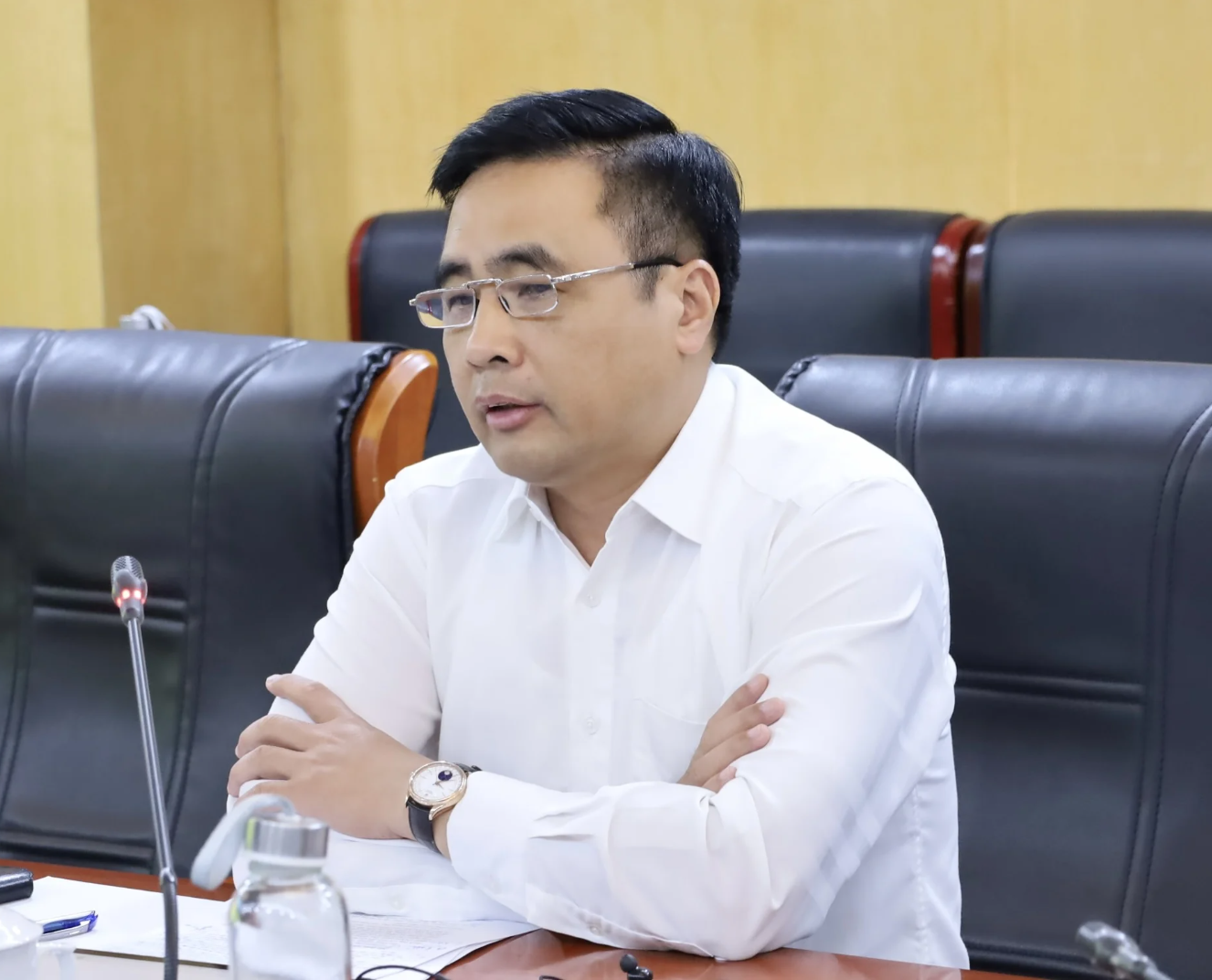
Acknowledging EuroCham’s recommendations, Deputy Minister Nguyen Quoc Tri said that Viet Nam’s law enforcement process always includes specific implementation plans following the issuance of legal documents.
“Regarding the EPR roadmap proposed by businesses, MAE will assign relevant agencies to study and thoroughly review the recommendations. If they are found to be consistent with Vietnamese law, we will incorporate them into the implementation plan,” the Deputy Minister emphasized.
Phuong Linh