Reducing methane emissions requires joint efforts from all stakeholders
Viet Nam is entering a decisive phase in fulfilling its international commitments on greenhouse gas reduction, particularly its pledge to cut methane emissions by 30% by 2030 under the Global Methane Pledge. Achieving this target will require not only suitable technologies and policies, but also close cooperation among the government, businesses, scientists, international organizations, and local communities to build circular value chains, promote green production, and support sustainable development.
According to Associate Professor Dr. Nguyen Thi Ha from the Faculty of Environment at the University of Science, one of the most important factors in reducing methane and greenhouse gas emissions is developing practical policies and ensuring coordinated action among stakeholders to create sustainable circular economic models.
Dr. Ha said that alongside policy frameworks, technical solutions play a key role in helping businesses and farm owners improve waste treatment efficiency while reducing greenhouse gas emissions. One promising direction is turning agricultural waste and by-products into resources for production.
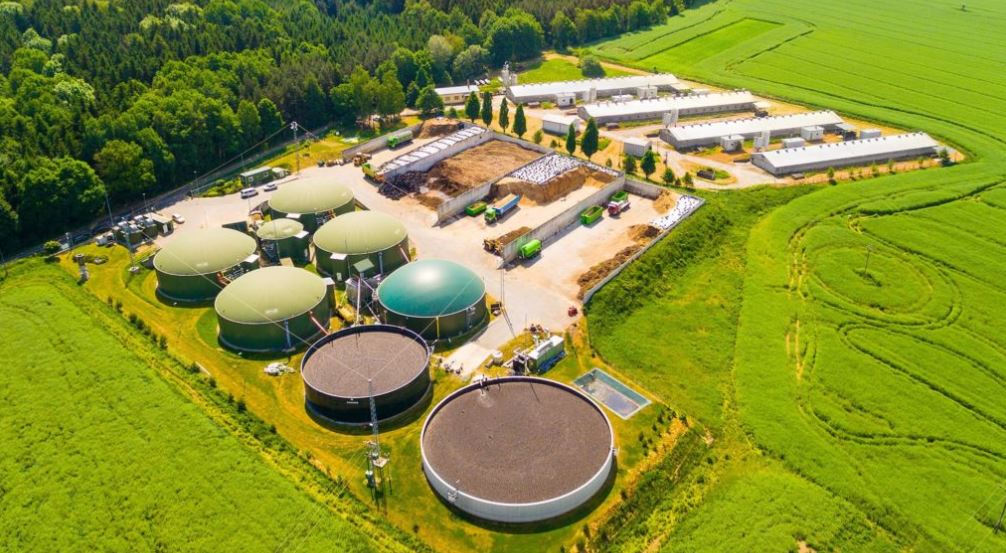
As an example, Dr. Ha noted that biogas technology is considered an effective solution because it can convert organic waste into methane gas for cooking or electricity generation. However, to maximize efficiency, it is necessary to improve methane recovery rates during anaerobic digestion. Currently, methane accounts for around 60-70% of biogas output.

According to Dr. Ha, the challenge is not only producing biogas but also handling impurities in the gas. Biogas often contains highly corrosive substances such as hydrogen sulfide (H2S), which can damage generators and cooking systems if used directly. Therefore, applying gas-cleaning technologies before use is essential to ensure both efficiency and system durability.
However, one of the biggest obstacles today is the fragmented nature of production models and the lack of linkages between stakeholders, making it difficult to fully utilize agricultural by-products within a closed-loop circular system. Dr. Ha emphasized that solving this issue will require building value chain models with coordinated participation from authorities, businesses, cooperatives, and local communities.
At the same time, it is also necessary to monitor and evaluate the quality of recycled products made from waste. For instance, the use of livestock waste to produce organic fertilizer has shown positive results. However, for these products to compete sustainably in the market, clear mechanisms are needed for quality management, traceability, and brand protection.
“If a synchronized policy mechanism is established, people and businesses will have greater motivation to invest in emission reduction models because they can see long-term economic benefits,” Dr. Ha stressed.
Besides domestic policies and technical measures, Dr. Ha said international support plays a particularly important role in Viet Nam’s green transition. Organizations such as the World Bank (WB) and the United Nations Development Programme (UNDP) have extensive experience in developing MRV systems (measurement, reporting and verification), implementing carbon markets, and building carbon credit trading mechanisms.
This support is considered an important resource for helping Viet Nam access new technologies, improve emissions management systems, and mobilize preferential financing for clean energy, green technology, and greenhouse gas reduction projects.
According to Dr. Ha, since Viet Nam committed to achieving net-zero emissions by 2050, interest from international organizations and foreign businesses in the country’s emission reduction sector has continued to grow. This presents an opportunity for Viet Nam to attract financial resources, advanced technologies, and management experience to support its green transition.
Domestically, public-private partnership (PPP) mechanisms are also seen as an important approach to mobilizing private-sector investment for environmental and emission reduction projects. With transparent and stable policies, along with appropriate incentives for green technology projects, Viet Nam can become more attractive to both domestic and international investors.
To ensure methane reduction goals deliver meaningful results, Dr. Ha believes the most important step is changing the mindset of businesses and emission source owners. In the past, many companies viewed waste treatment simply as an environmental obligation. Today, however, waste should be recognized as a valuable resource that can generate economic returns and improve competitiveness.
She added that as export markets continue tightening environmental standards, businesses will need to control emissions effectively and adopt greener production models in order to remain competitive.
Regarding MRV systems, Dr. Ha said Viet Nam needs a central coordinating body responsible for developing a unified database and clearly assigning responsibilities among participating agencies. At the same time, the country should strengthen the application of science, technology, and digital tools in emissions inventory and management to improve monitoring efficiency and data sharing.
“The key is helping businesses recognize the economic benefits of the green transition. This is not only the responsibility of government agencies, but also requires support from scientists, businesses, and international organizations,” Dr. Ha affirmed.
Viet Dung