Dak Lak launches project to address climate change loss and damage
Dak Lak has been proposed as the first locality in Viet Nam to pilot a project addressing climate change-related loss and damage.
The project is expected to receive funding from the Fund for Responding to Loss and Damage (FRLD), with a proposed budget of USD 9.8 million. The fund was established through global climate negotiations to support countries and communities facing increasing impacts from disasters and extreme weather events.
The project is being jointly developed by the Dak Lak Provincial People’s Committee, the Viet Nam Meteorological and Hydrological Administration, and the United Nations Development Programme (UNDP). It is expected to be implemented during the 2027-2031 period.
Rather than focusing solely on post-disaster recovery, the project adopts a comprehensive approach that emphasizes prevention, risk reduction, and strengthening community resilience to climate change.
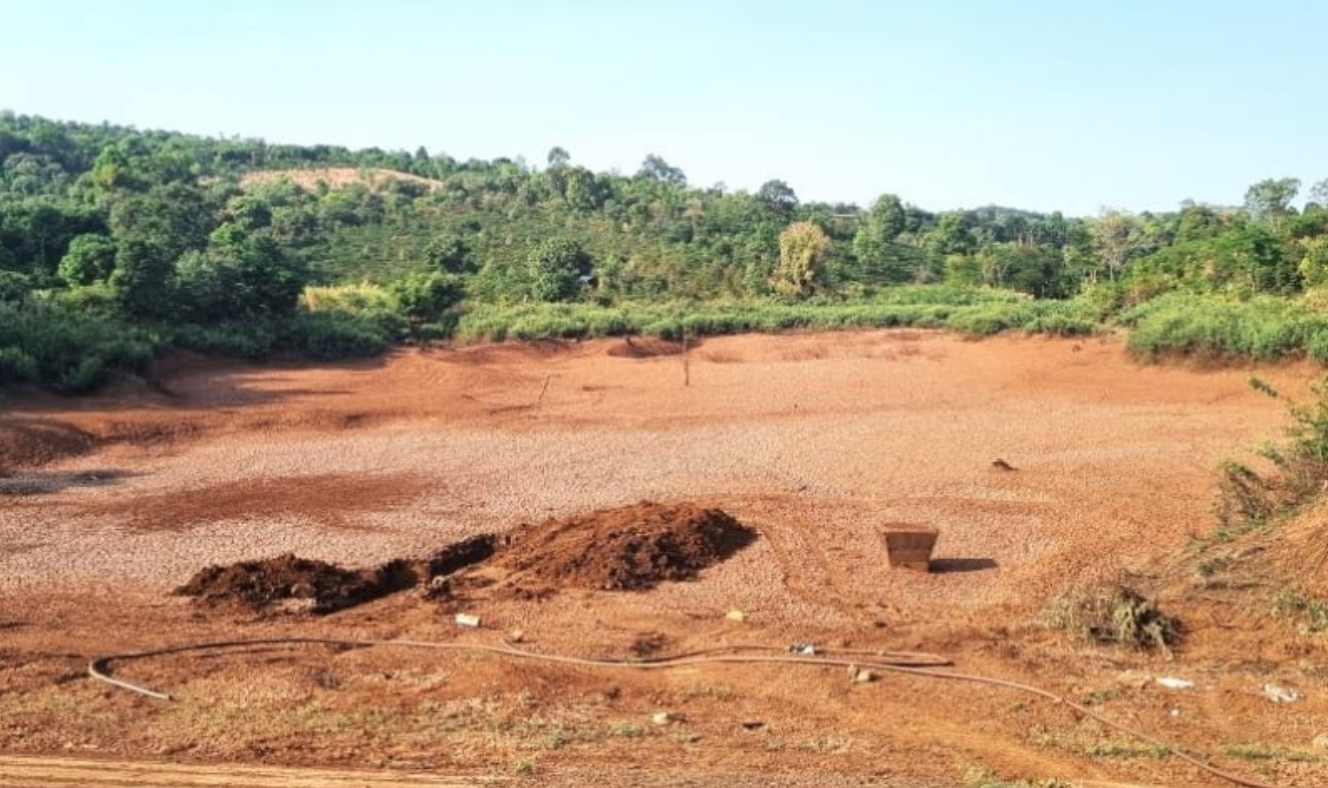
A key objective is to provide direct support to vulnerable populations through livelihood recovery initiatives and adaptation measures. Two pilot locations have been selected to represent the province’s major climate risks: Krong Nang Commune, which frequently experiences prolonged drought, and Phu Yen Ward, where communities face flooding, saline intrusion, and tidal surges. The selection allows the project to test a range of solutions tailored to different climate-related hazards.
Under the plan, around 10,000 households will directly benefit from livelihood recovery support packages, helping residents restore their lives more quickly after disasters. In addition, approximately 2,000 near-poor households will receive support to participate in parametric insurance schemes, an innovative financial instrument designed to reduce climate-related risks and strengthen household resilience.
A key feature of the project is its technology-enabled disbursement mechanism. Using meteorological and hydrological data, satellite imagery, artificial intelligence, and pre-defined risk thresholds, the system will continuously monitor climate hazards. Once risk indicators exceed the established thresholds, financial assistance can be released immediately, eliminating lengthy damage assessment procedures and ensuring timely support for affected communities.
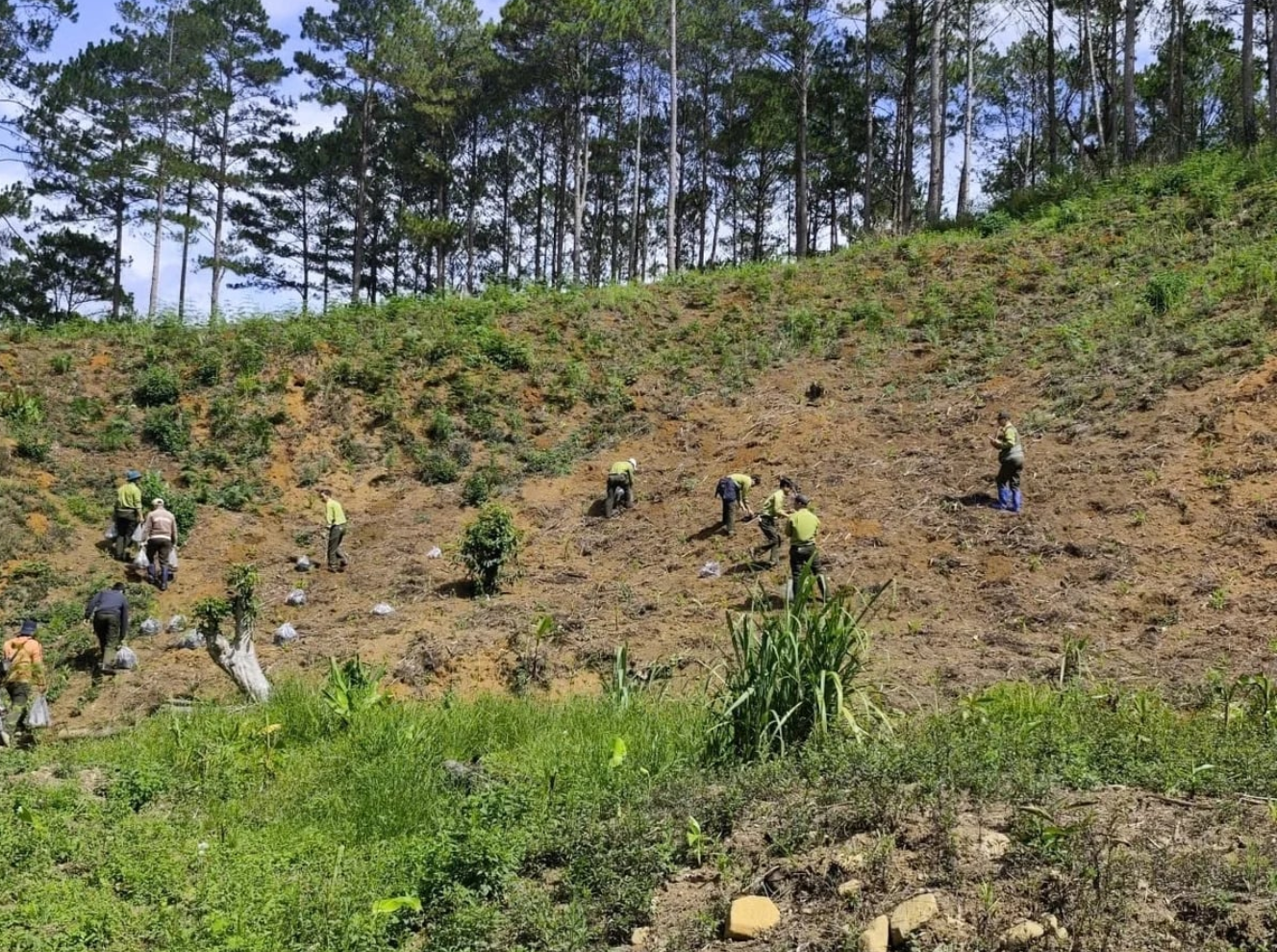
The project also prioritizes developing risk databases, improving forecasting and early warning systems, and establishing effective financial support mechanisms. By integrating technology, data, and policy tools, the initiative aims not only to reduce losses and damages but also to enhance transparency, target support more accurately, and optimize resource allocation.
The implementation of the project in Dak Lak is expected to strengthen the province’s capacity to respond to climate change while creating a foundation for scaling up similar models nationwide. It is seen as a pioneering step in applying innovative climate finance mechanisms and building safer, more resilient, and sustainable communities in the face of growing climate challenges.
Viet Anh