Raising awareness of the circular economy in the Mekong Delta
As the Mekong Delta faces growing climate challenges and increasing pressure on natural resources, promoting sustainable development models is becoming a key priority for the region.
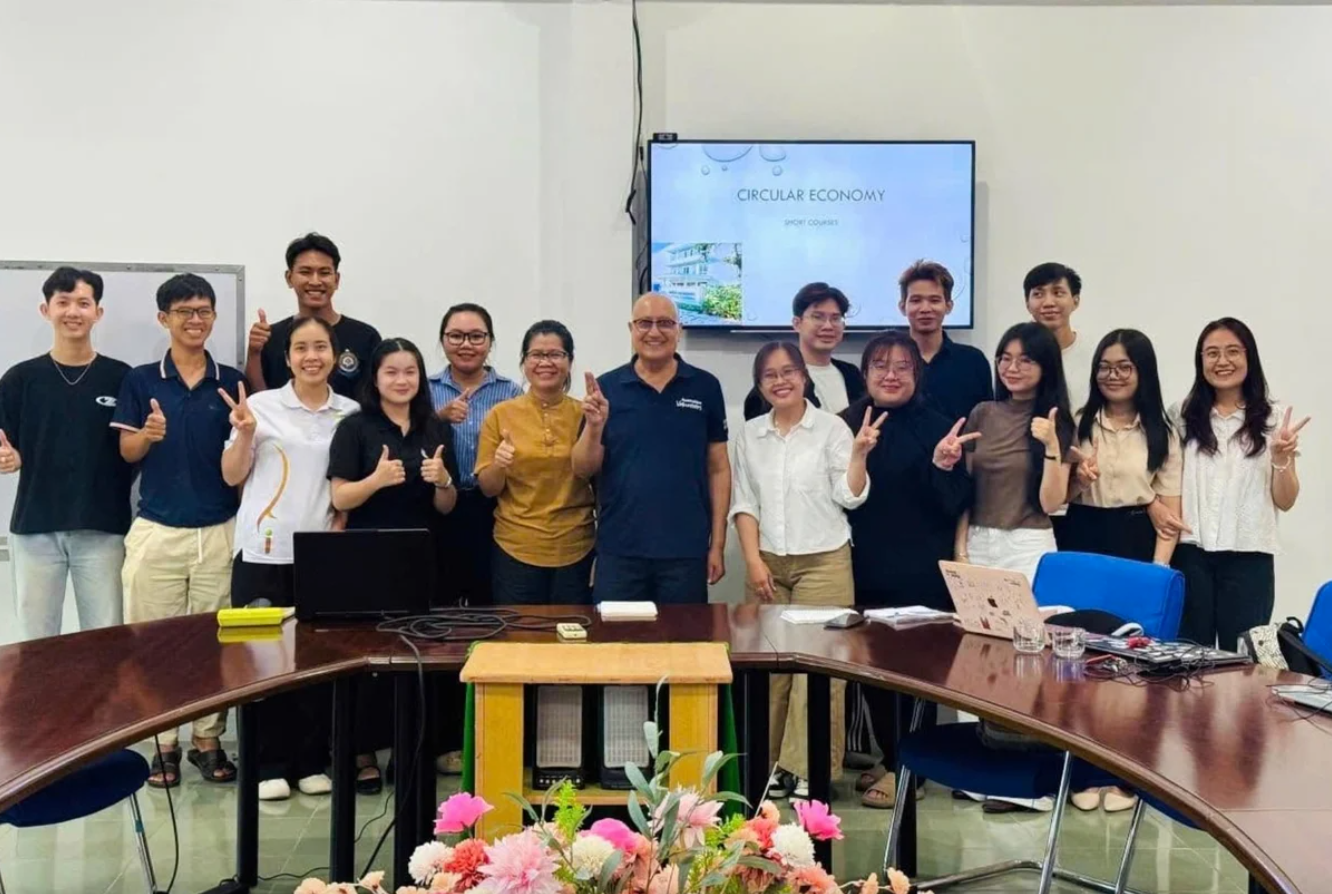
This was the main focus of a seminar on climate change and the circular economy organized by the Mekong Institute at Can Tho University on June 9.
The event featured Mr. Anil Gupta, an international volunteer expert under the Australian Volunteers Program, alongside researchers, students, and representatives from organizations and networks working in environmental protection and sustainable development.
During the seminar, participants received updates on the latest impacts of climate change on the Mekong Delta, one of the regions most vulnerable to sea-level rise, salinity intrusion, and extreme weather events. In addition to examining existing challenges, the expert introduced emerging trends and adaptation solutions being implemented in countries worldwide.
The circular economy was a topic of particular interest among participants. Through practical examples from within and beyond the region, the program highlighted the importance of extending product life cycles, reducing waste generation, and improving resource efficiency in production and consumption processes.
Another key topic was electronic waste management, as e-waste continues to grow rapidly alongside digitalization and technological development. Participants also learned about the 5R model - Refuse, Reduce, Reuse, Recycle, and Rot - and a range of initiatives aimed at minimizing waste and reducing environmental impacts.
According to the organizers, the event was designed as an interactive platform that encouraged two-way engagement between experts and participants. Group discussions, question-and-answer sessions, and experience-sharing activities provided opportunities for students, researchers, and community members to explore practical solutions tailored to the Mekong Delta, helping raise awareness and promote action toward sustainable development.
Minh Hanh