Every dollar invested in land restoration can generate $35 in value
As land degradation affects 11.8 million hectares nationwide, Viet Nam is accelerating restoration efforts that could return up to $35 for every dollar invested.
The information was shared by Mr. Tran Quang Bao, Director General of the Forestry and Forest Protection Department under the Ministry of Agriculture and Environment, at a ceremony marking the 2026 World Day to Combat Desertification and Drought in Lang Son Province on June 16.
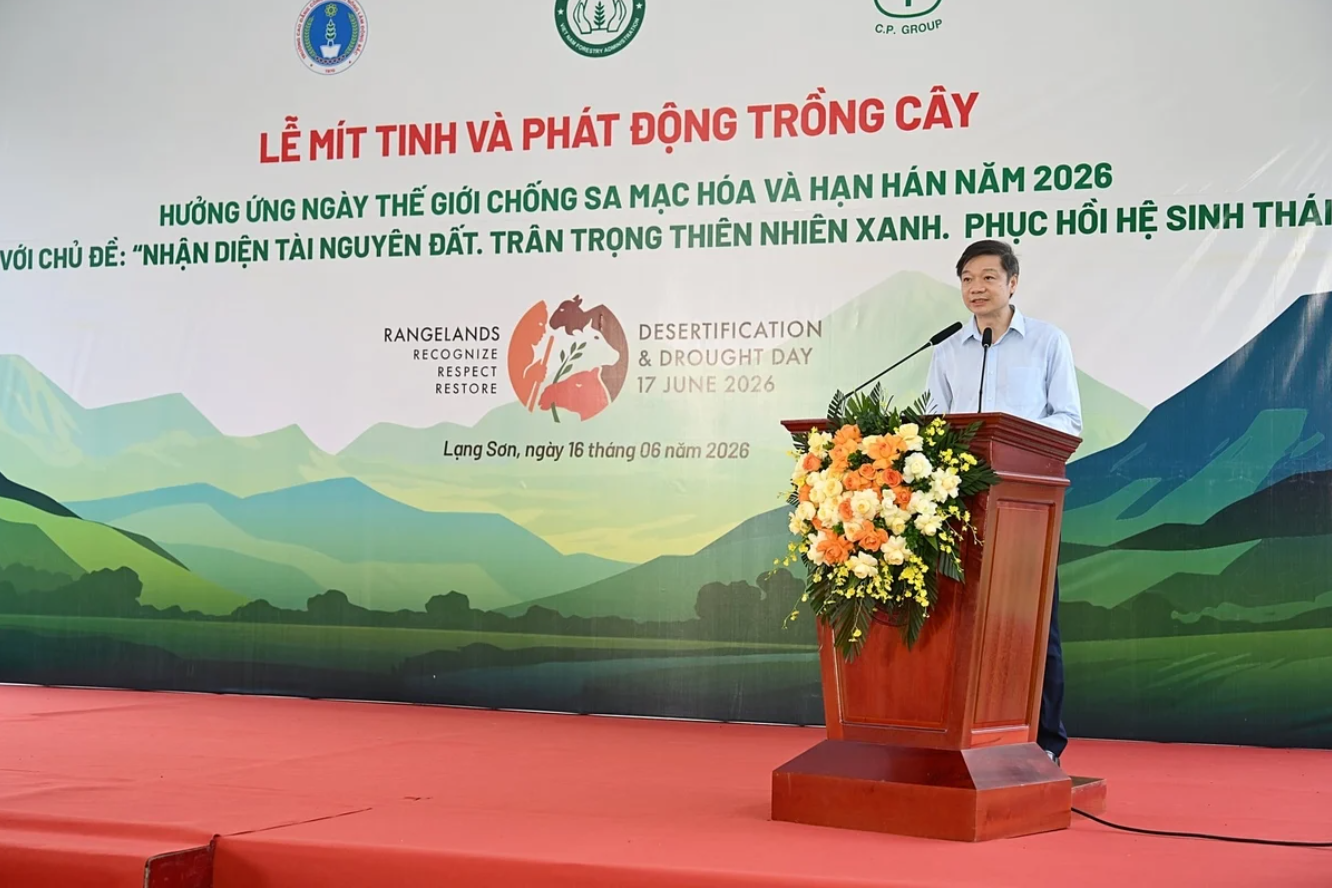
This year’s theme, launched by the Secretariat of the United Nations Convention to Combat Desertification (UNCCD), is “Recognize the value of land. Embrace nature. Restore ecosystems”. The campaign calls on countries to better appreciate the critical role of land resources in economic development, food security, and climate resilience.
According to Mr. Bao, land is the foundation of life and sustainable development. Yet globally, more than 40% of productive land has been degraded, affecting the livelihoods of over 3.2 billion people. The annual cost of addressing land degradation is estimated at around USD 880 billion.
In Viet Nam, land degradation takes many forms, ranging from soil erosion in the northern mountainous regions and drought in central coastal sandy areas to acidification and saltwater intrusion in the Mekong Delta.
Mr. Bao stressed that combating desertification should be embedded in wider strategies aimed at safeguarding national security and promoting sustainable development.
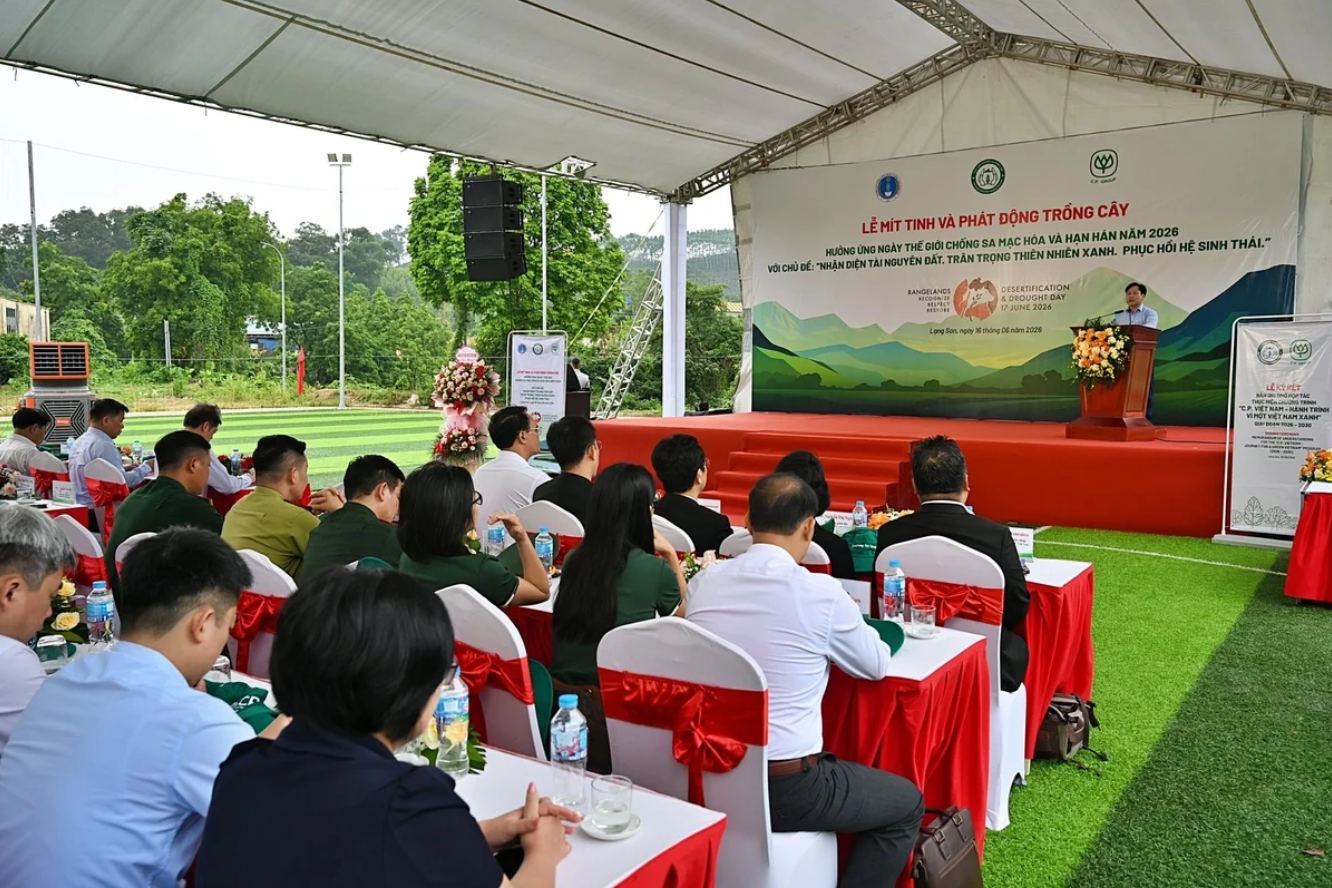
Referring to guidance from General Secretary and State President To Lam on building a society that prospers within ecological limits while treating nature as a legacy for future generations, Mr. Bao stressed that environmental stewardship must become a shared responsibility across all sectors.
He noted that Viet Nam has launched a range of programs to restore ecosystems and strengthen climate resilience. Forest cover remains above 42%, significantly higher than the global average of 31%.
The national program to plant one billion trees between 2021 and 2025 has exceeded its targets, while additional initiatives are underway to restore mangrove forests, improve forest quality, and prevent landslides.
However, Mr. Bao emphasized that land degradation cannot be addressed through policies and technical solutions alone. It requires the active participation of communities, businesses, and society as a whole.
To accelerate progress, he proposed six priority actions for 2026: expanding surveys and mapping desertification risks; restoring natural and protection forests; applying digital technologies, remote sensing, and artificial intelligence in resource management; strengthening livelihoods for affected communities; enhancing international cooperation; and promoting public-private partnerships in sustainable forestry value chains.
At the event, a message from the UNCCD Secretariat highlighted the vital role that grasslands, drylands, and sloping landscapes play in supporting food systems, water resources, and biodiversity worldwide.
Land currently provides up to 95% of the food consumed by humanity, yet it faces increasing pressure from degradation and unsustainable use.
Grasslands and deserts cover more than half of the Earth’s surface and support the livelihoods of over two billion people. Nevertheless, around half of the world’s grasslands are already severely degraded.
The UNCCD estimates that approximately USD 355 billion is needed annually to tackle desertification and drought worldwide, but current investment levels remain far below that requirement. Despite the funding gap, the convention underscores that land restoration offers substantial economic returns.
Quoting the UNCCD statement, Trieu Van Luc noted that “every dollar invested in land restoration can generate up to 35 dollars in economic value” through ecosystem recovery, improved livelihoods, increased carbon sequestration, and broader socio-economic growth.
The United Nations is calling on governments, businesses, and young people to work together toward three key objectives: fully recognizing the economic value of land resources, respecting and utilizing indigenous knowledge in resource management, and increasing investment in land restoration, water management, and drought resilience.
Representatives from Lang Son Province also shared local efforts to protect natural resources. According to Hoang Van Chieu, Deputy Director of the provincial Department of Agriculture and Environment, Lang Son currently has more than 534,000 hectares of forest, including over 219,000 hectares of natural forest and 315,000 hectares of planted forest.
With a forest cover rate of 64.31%, among the highest in the country, the province has implemented various measures to improve land-use planning, restore degraded land, promote agroforestry models, and link local livelihoods to environmental protection.
At the same time, local authorities acknowledged mounting challenges from extreme weather events, forest fire risks, soil erosion, declining water resources, and growing pressure from economic development.
Lang Son has pledged to continue protecting existing forests, restoring degraded forest ecosystems, expanding the planting of native tree species, and promoting forestry development based on green growth, circular economy principles, and multiple-value forest products.
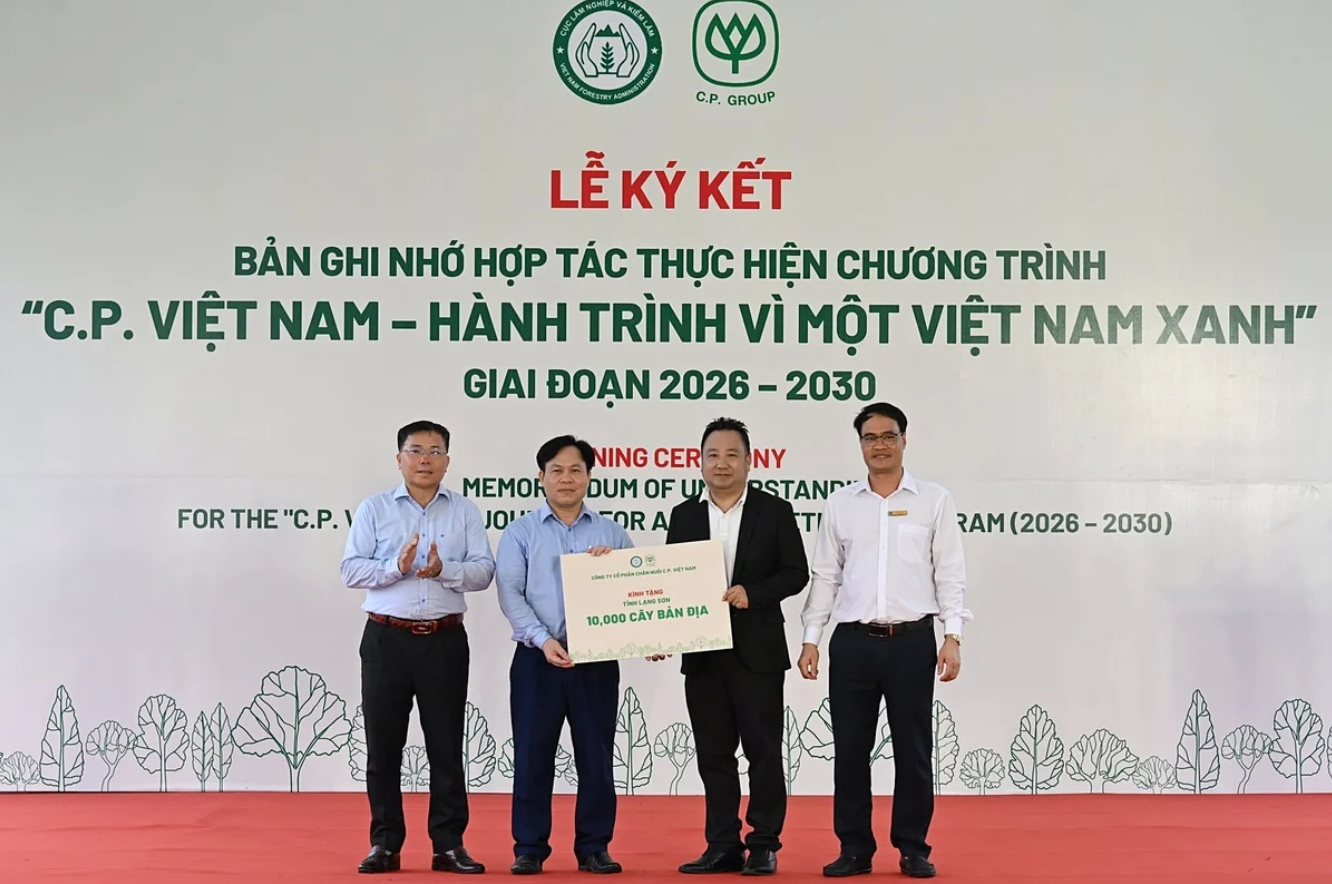
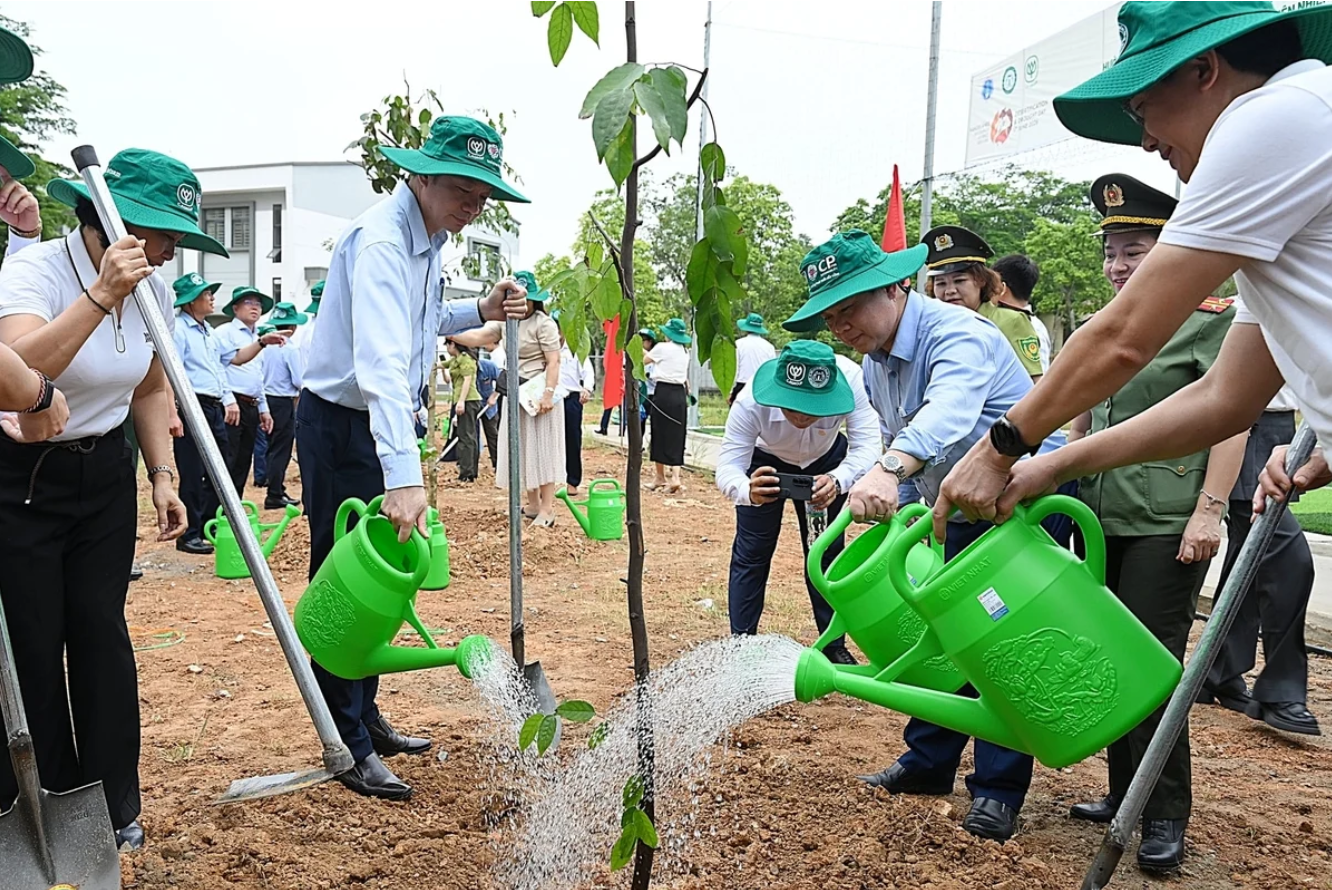
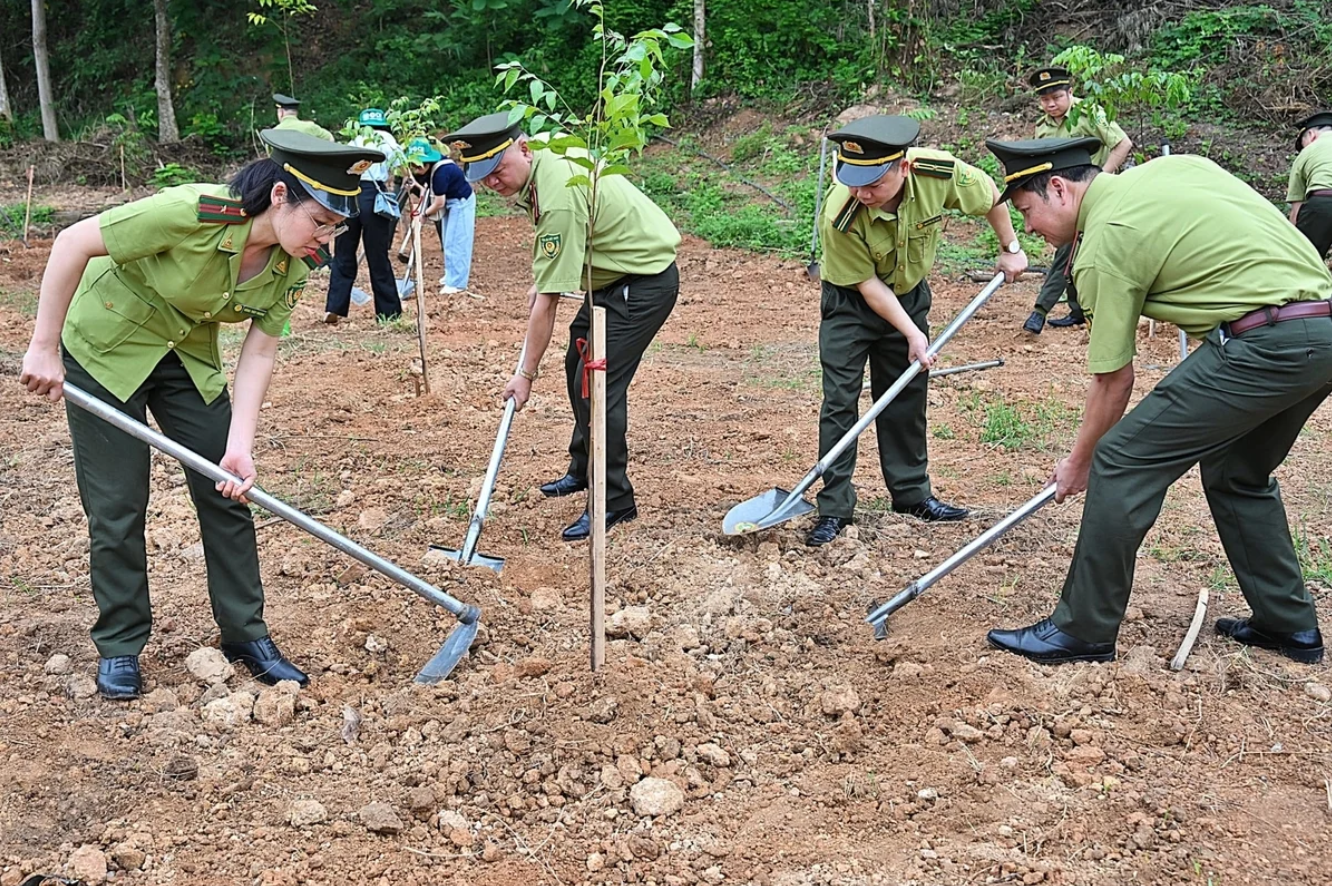
As part of the event, tree-planting activities were launched across the venue. CP Viet Nam Corporation donated 10,000 native forestry seedlings to support ecosystem restoration, enhance forest cover, and conserve biodiversity throughout Lang Son Province.
Bao Thang