WWF supports marine ecosystem restoration in Cham Island
Da Nang is implementing a series of management, monitoring and restoration measures for coral reefs and seagrass beds in Cham Island.
Cham Island is home to a rich marine ecosystem featuring coral reefs, seagrass meadows, primary forests and a variety of rare species, including sea turtles, abalones and giant clams. To conserve and restore these vital ecosystems, Da Nang is carrying out a range of coordinated management, technological and restoration initiatives within the Cham Island Nature Reserve.
The area contains more than 356 hectares of coral reefs, supporting 337 species distributed around the islands. Beyond maintaining biodiversity, coral reefs play a crucial role in protecting fisheries resources, sustaining local livelihoods and promoting sustainable ecotourism development.
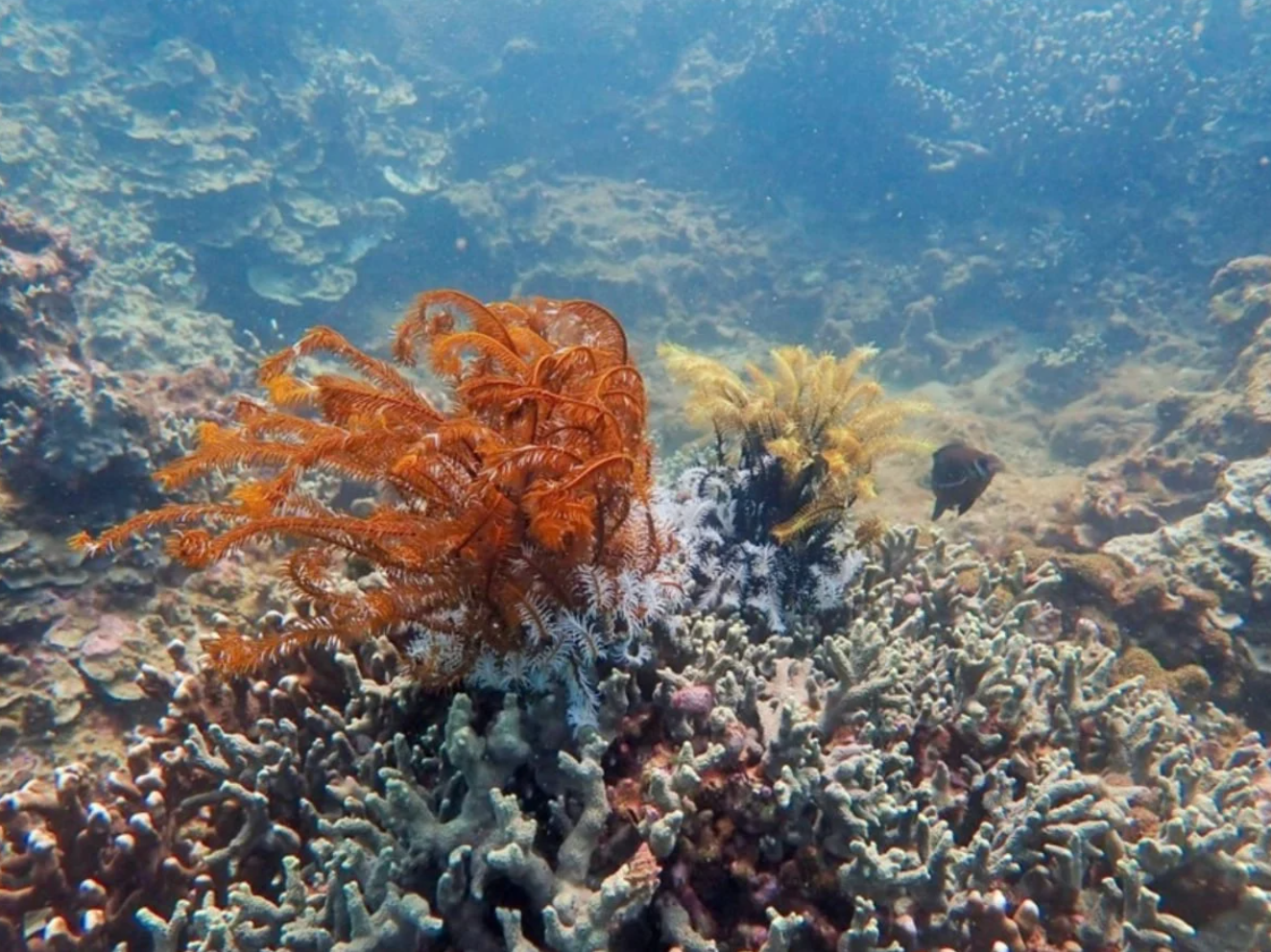
In addition to coral reefs, seagrass beds serve as important habitats for many marine species, particularly sea turtles. Monitoring results for the 2021-2025 period show that average seagrass cover ranged from 9.2% to 14.55%. Coverage increased during 2023-2024 but declined to 10.26% in 2025. In response to the risk of degradation, the reserve management board is implementing a seagrass restoration project funded by the World Wide Fund for Nature (WWF).
To improve monitoring effectiveness, the Cham Island Nature Reserve Management Board has adopted ReefCloud.ai, an artificial intelligence-powered platform developed by the Australian Institute of Marine Science. The technology helps identify benthic components such as corals, seaweeds and other seabed substrates, contributing to data standardization and greater objectivity in monitoring activities.
Da Nang aims to maintain or improve the quality of coral reef and seagrass ecosystems by 2030 compared with 2025 levels, while reducing violations of marine protected area regulations by 50%. The city also plans to establish a shared digital database on natural resources, biodiversity and environmental monitoring, with regular updates integrated into the ReefCloud platform.
Local authorities will strengthen patrols, inspections and enforcement efforts while expanding the use of digital technologies to monitor marine environments, fisheries exploitation, aquaculture activities and related services. In addition, Da Nang plans to pilot a marine ecosystem services payment mechanism in Cham Island once it receives approval from competent authorities.
Under the plan, regular monitoring will be conducted for coral reefs, seagrass beds, nursery grounds and spawning areas of key marine species such as abalones, sea cucumbers and sea urchins. Coastal water quality will also be monitored through indicators including pH, temperature, turbidity, dissolved oxygen and salinity. Plastic waste monitoring on beaches, coral reefs and seagrass beds will be carried out to assess pollution levels and develop appropriate management measures.
Da Nang will also implement coral reef and seagrass restoration models, create artificial habitats for rare aquatic species and conduct research on restoring marine species of economic and scientific value. The city is promoting community-based tourism and ecotourism while encouraging green livelihood models to reduce pressure on marine resources and support the long-term conservation of Cham Island’s unique ecosystems.
Minh Hanh