94% of outdoor workers report heat-related health problems: UNDP report
Extreme heat is taking a serious toll on the health of outdoor workers, yet many still lack adequate access to social protection policies.
The findings come from the study “Adaptive Social Protection for Workers Exposed to Heatwaves”, conducted by the Institute for Sustainable Development under the National Economics University (NEU) in collaboration with the United Nations Development Programme (UNDP) in Viet Nam. The research surveyed 734 outdoor workers in Ha Noi and Ho Chi Minh City and analyzed meteorological data from 156 weather stations nationwide covering the period from 1961 to 2025.
According to the study, 94% of respondents reported experiencing at least one heat-related health problem while working outdoors, and nearly 20% reported experiencing more than four different health issues. Beyond health impacts, extreme heat has imposed adaptation costs on 66.2% of workers surveyed and reduced income for 46.4%.
Meteorological data indicate that Viet Nam is experiencing warming weather, reflected not only in rising average temperatures but also in the increasing frequency, intensity, and geographic spread of extreme heat events. The situation is particularly concerning in major urban areas, where the urban heat island effect, air pollution, and a high concentration of informal workers increase exposure to dangerous temperatures.
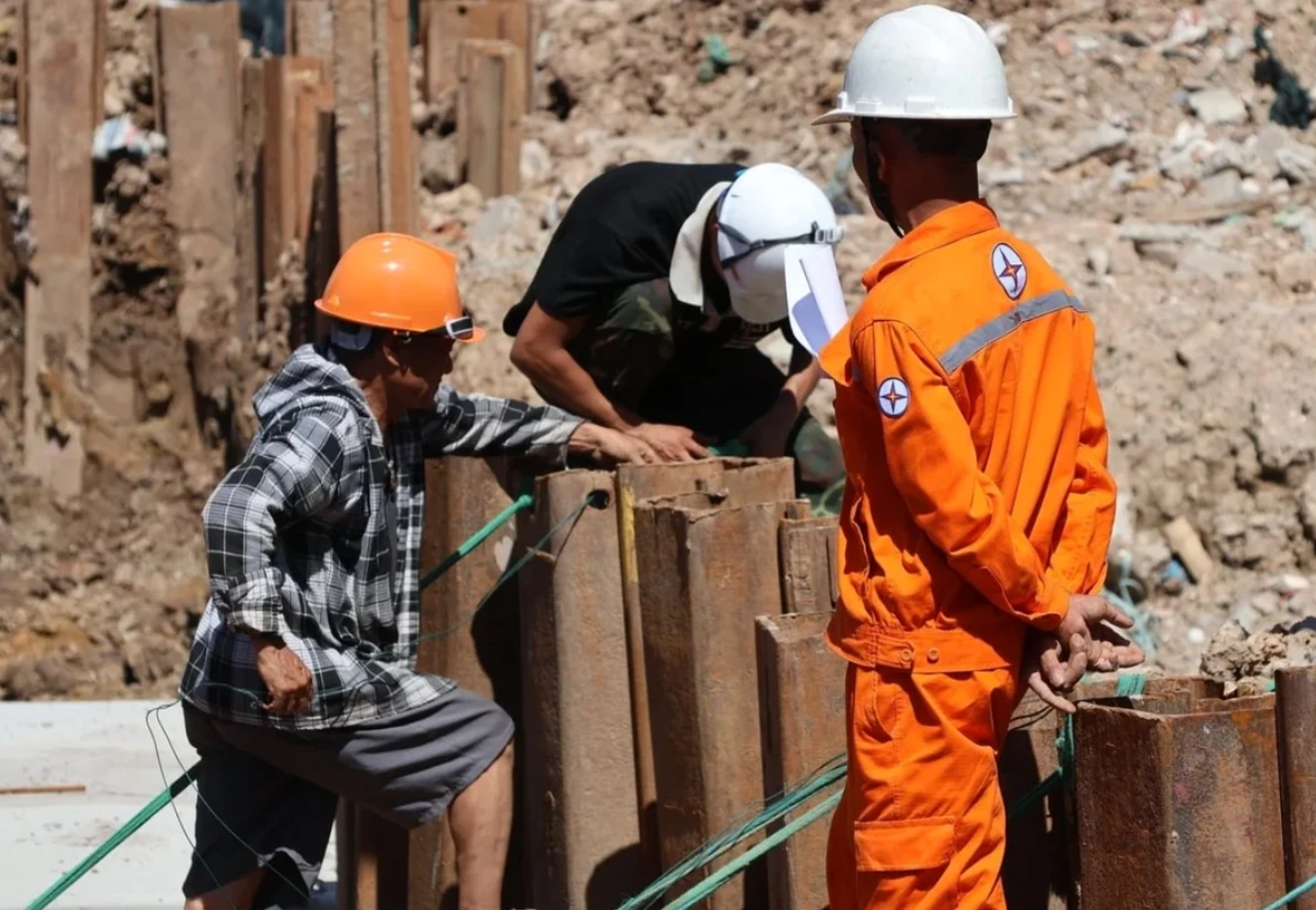
The report also highlights significant gaps in the current social protection system. More than 41% of surveyed outdoor workers said they had never received any form of government support. Among those who had, assistance was largely limited to emergency measures rather than preventive or long-term protection mechanisms.
Speaking at the launch event, Francesca Nardini, Deputy Resident Representative of UNDP in Viet Nam, stressed that extreme heat is becoming a structural challenge to workers’ livelihoods and well-being. She noted that social protection plays a vital role in strengthening resilience against growing climate-related risks.
Meanwhile, Associate Professor Dr. Bui Duc Tho, Chairman of the National Economics University, said extreme heat is no longer merely a weather or environmental issue but an emerging social protection risk that directly affects workers’ health, employment, and quality of life.
The research team noted that while Viet Nam has developed a relatively comprehensive, multi-tiered social protection system, it has yet to fully adapt to new climate risks and shifts in the labour market. Informal workers, platform workers, and migrant workers remain particularly vulnerable and are at risk of being left behind.
Notably, the report identifies what it describes as a “reverse social protection mechanism,” whereby the burden of coping with extreme heat is increasingly shifted from the State to individuals. Many workers are forced to adjust their working hours, seek shelter from the heat, or rely on community support to mitigate the impacts of extreme weather.
To strengthen resilience to rising temperatures, the study proposes a range of adaptive social protection measures. In the short term, local authorities should establish public cooling centres, free drinking water stations, and “water-rest-shade” infrastructure for outdoor workers. The report also calls for improved heat forecasting and early warning systems, the development of heat-response protocols based on temperature thresholds, and stronger occupational safety standards for extreme weather conditions.
Over the longer term, the researchers recommend developing a National Action Plan on Heat Response and integrating social protection measures into climate adaptation strategies. According to experts, such efforts are essential to safeguarding workers, reducing inequality, and promoting sustainable development in an increasingly volatile climate.
Minh Hanh