El Niño response: Turning forecast information into timely decisions
The upcoming El Niño event could affect Viet Nam with an intensity comparable to the 2015-2016 episode, one of the strongest El Niño events ever recorded.
On June 23, the Department of Hydrometeorology under the Ministry of Agriculture and Environment, in coordination with the United Nations Development Programme (UNDP) in Viet Nam, organized the National Conference on the 2026 Hydro-Meteorological Outlook
The event was funded by the Government of Canada through the Viet Nam Climate Smart Coastal Communities Project, aiming to provide the latest assessments of hydrometeorological trends in 2026 and support ministries, sectors, local authorities, and communities in developing disaster prevention and risk reduction plans.
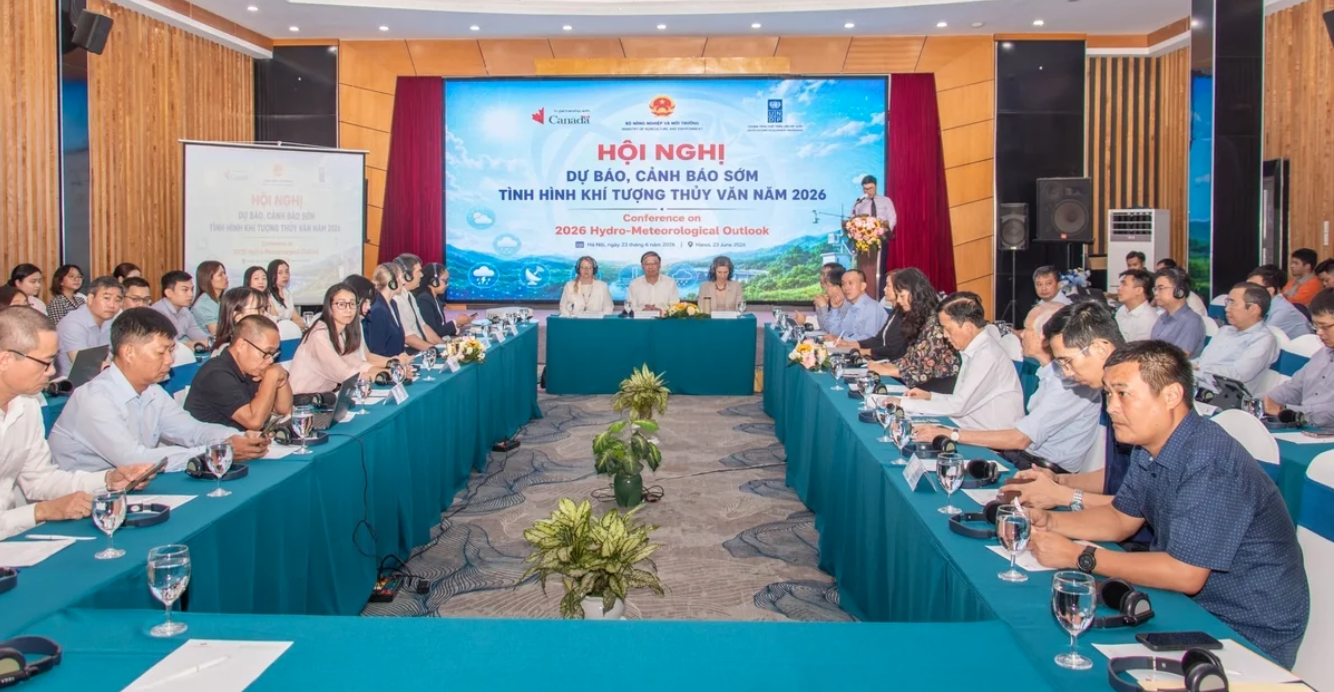
Speaking at the conference, Deputy Minister Le Cong Thanh outlined four specific orientations to proactively respond to adverse impacts of weather and climate. First, he called for a decisive shift from a phenomenon-based forecasting mindset to an impact-based forecasting approach.
According to the Deputy Minister, modern meteorological and hydrological bulletins cannot stop at purely technical parameters such as rainfall, temperature, or wind speed. Instead, they must address how these factors specifically affect livelihoods, agricultural production, energy system operations, transport infrastructure, and public safety. This is an inevitable trend in modern governance, which the World Meteorological Organization is actively promoting, aiming to transform climate data into practical inputs for socio-economic decision-making.
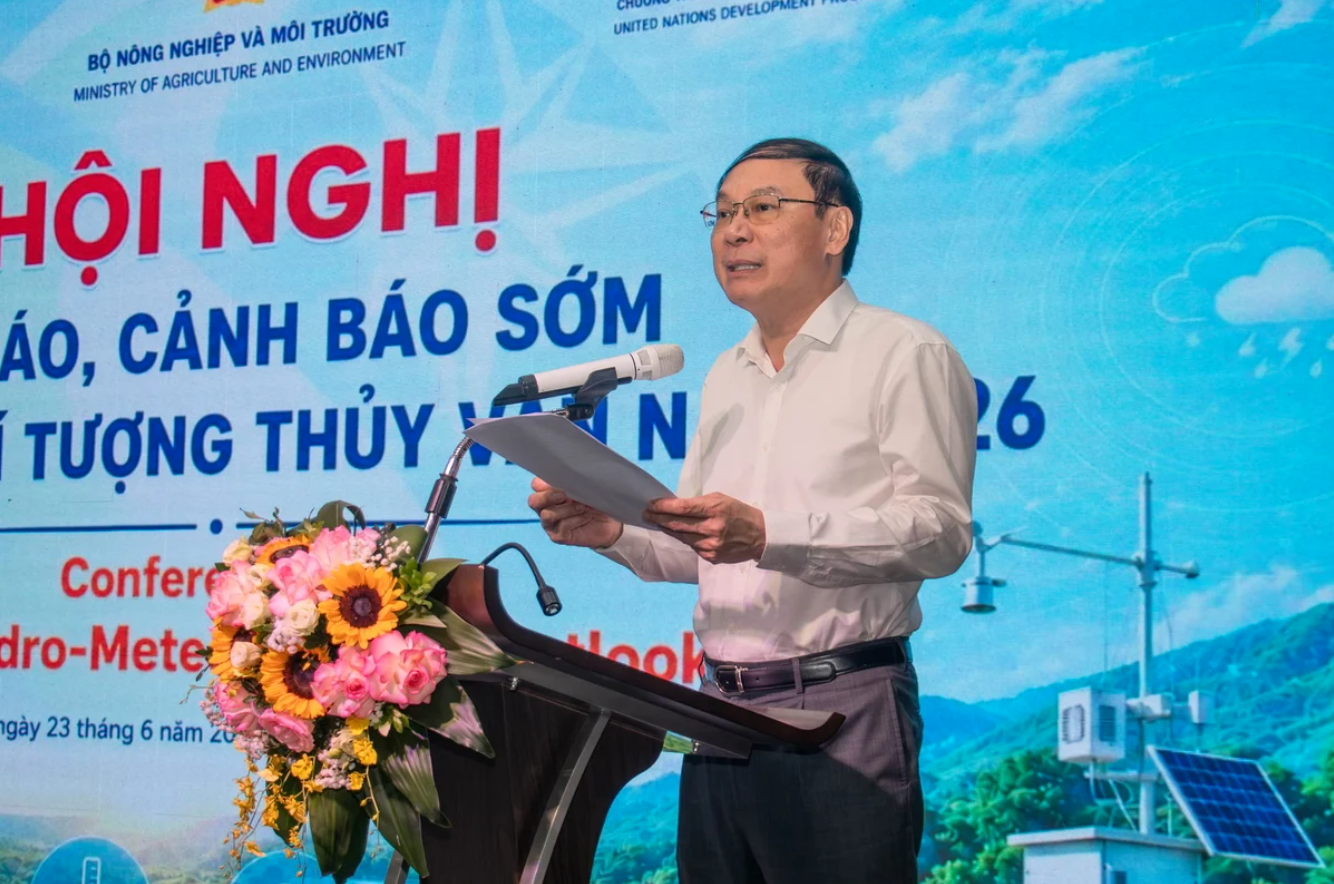
In addition, the Deputy Minister called on the meteorology and hydrology sector to strengthen the application of core technological achievements from the Fourth Industrial Revolution. Successful models and practical experiences from advanced countries should be carefully studied and selectively adapted to suit Viet Nam’s geographical characteristics and economic conditions, ensuring optimal public investment efficiency.
Inter-sectoral coordination mechanisms must be urgently improved, along with the development of a real-time data sharing system. Warning information must be delivered quickly and accurately to the right audiences at the right time in order to trigger early response scenarios at the local level, thereby minimizing potential damages.
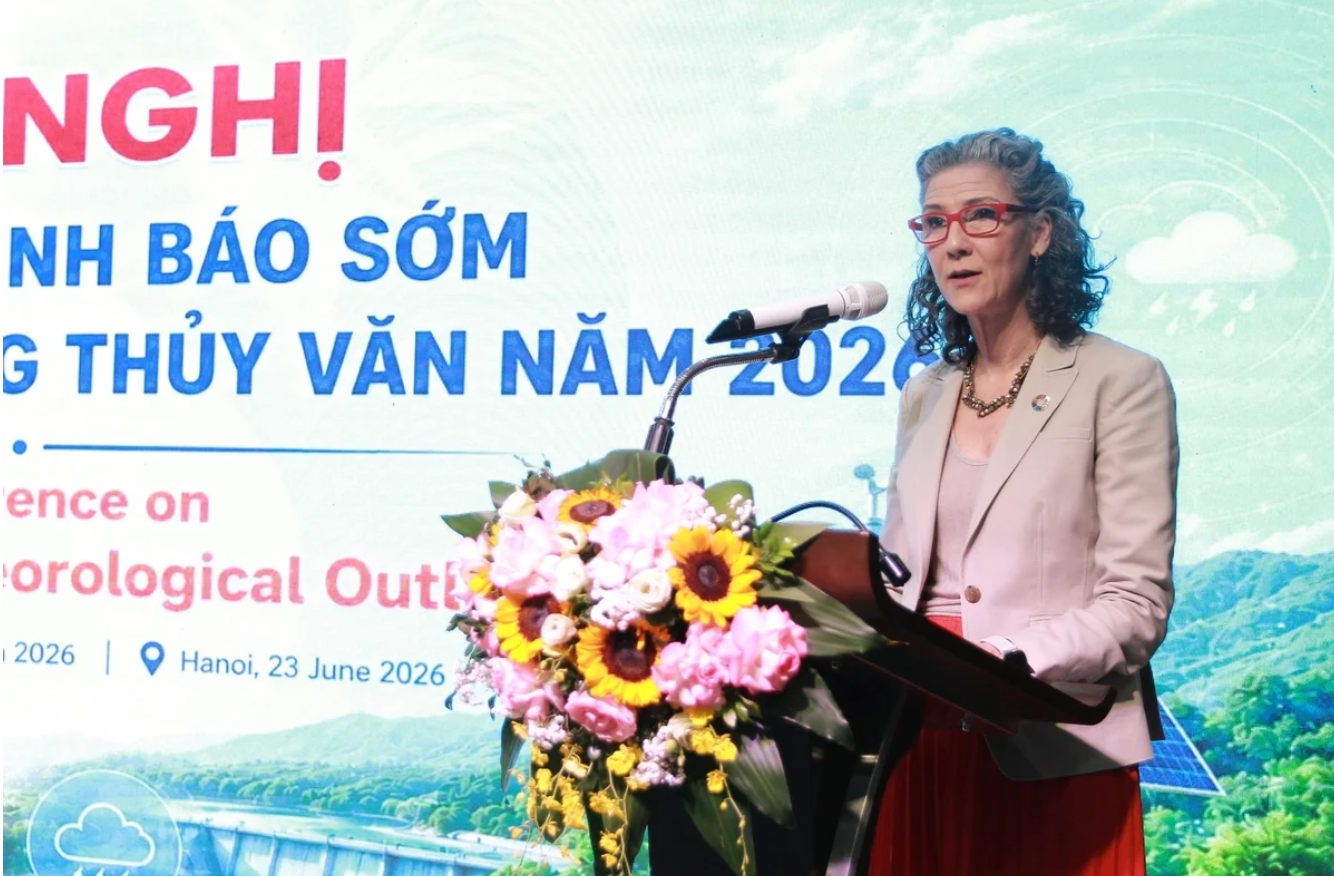
According to Ramla Khalidi, Resident Representative of UNDP in Viet Nam, extreme weather events have become the new normal, and our systems must adapt accordingly. Data alone does not protect people. Even the most advanced forecasting model is only effective if its information reaches those on the front lines.
“Through our work with smallholder farmers in the Central Highlands and coastal communities, we have found that the biggest gap lies in communication, transforming complex meteorological data into simple, locally relevant, and gender-responsive messages that people can understand and act upon in a timely manner,” Ramla Khalidi said.
According to Emilie Carrier, Canada is currently supporting efforts to strengthen early warning systems, enhance data-driven forecasting capabilities, and help vulnerable communities better prepare for climate-related disasters. By connecting Canadian experts with Vietnamese partners, the two countries are advancing practical, science-based solutions to protect lives and livelihoods. This partnership reflects a shared commitment to building a safer and more resilient future, where climate preparedness serves as a foundation for sustainable development.
Experts from United Nations Development Programme introduced participants to the global Early Warnings for All (EW4All) initiative, launched by the United Nations. The initiative aims to ensure that everyone around the world is protected by life-saving multi-hazard early warning systems by the end of 2027.
Khanh Ly