Viet Nam proposes stronger ASEAN and China cooperation on digital agriculture
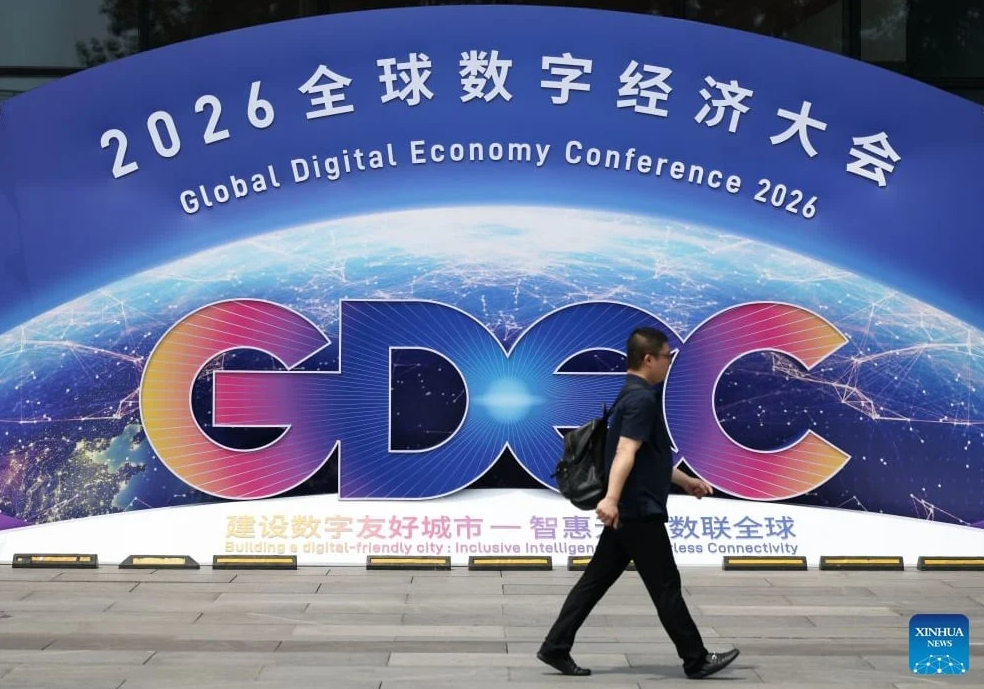
At the Global Digital Economy Conference 2026, Agricultural Counsellor Do Quang Tung called for ASEAN and China to deepen cooperation in digital agriculture by expanding the use of artificial intelligence (AI) and e-commerce.
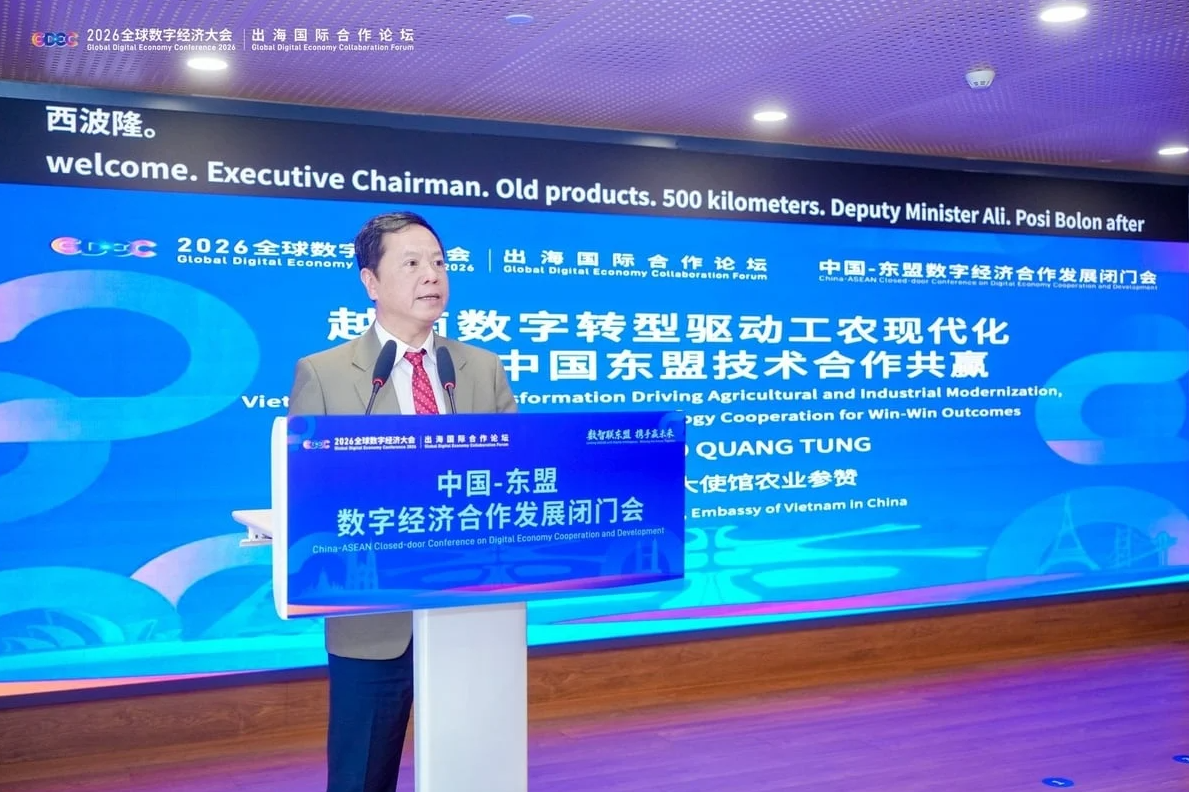
Speaking at the closed session on ASEAN-China Digital Economy Cooperation and Development during the Global Digital Economy Conference 2026 in Beijing, China, Mr. Do Quang Tung, Agricultural Counselor of Viet Nam in China, said digital transformation is fundamentally reshaping the competitiveness of the agricultural sector.
He noted that Viet Nam is advancing industrialization and modernization based on science and technology, innovation, digital transformation, and green development. While industry remains a key driver of economic growth, agriculture continues to play a strategic role in ensuring food security, boosting exports, promoting green growth, and improving rural livelihoods.
Mr. Do Quang Tung stressed that agriculture's competitive advantage is no longer determined solely by land, labor, or natural resources, but increasingly by data, digital technologies, and innovation. Viet Nam is working toward a smart, low-emission agricultural sector by developing agricultural databases, electronic traceability systems, smart logistics, e-commerce, and digital rural communities.
Drawing on his experience in China, he highlighted that many smart farms have adopted satellite technology, artificial intelligence, and digital solutions to automate production processes. AI is also being used for pest and disease forecasting, crop monitoring, supply chain management, and connecting farmers directly with markets through digital platforms.
According to the counselor, these experiences offer valuable lessons for Viet Nam and other ASEAN countries as they modernize their agricultural sectors.
Looking ahead to ASEAN-China cooperation, he said both sides should move beyond traditional trade and strengthen collaboration in research, innovation, and technology development. ASEAN has strong advantages in tropical agricultural products and natural conditions, while China has strengths in AI, digital technologies, agricultural machinery, e-commerce, and modern logistics.
Combining these complementary strengths would provide a solid foundation for developing smart agricultural value chains, digital farming zones, AI-assisted crop breeding technologies, electronic traceability systems, cold-chain logistics, and cross-border e-commerce, thereby enhancing the competitiveness and value of agricultural products across the region.
Mr. Do Quang Tung also affirmed that Viet Nam stands ready to serve as a bridge between ASEAN and China, promoting digital agriculture cooperation for the mutual benefit of businesses, farmers, and consumers on both sides.
Digital agriculture has been identified as one of the key priorities in ASEAN-China cooperation. At the 27th ASEAN-China Summit in October 2024, the two sides adopted a Joint Statement on Promoting the Development of Smart Agriculture, committing to strengthen research and the application of technologies such as AI, big data, the Internet of Things (IoT), cloud computing, blockchain, and robotics in agricultural production. They also agreed to promote smart farming, digitalize agricultural supply chains, enhance product traceability and e-commerce, and strengthen digital skills training, data sharing, and policy exchange to support a modern, sustainable, and low-emission agricultural sector.
Minh Hanh