Viet Nam ready to transfer agro-forestry technology to Angola
The two countries agreed to boost science-technology cooperation in agriculture and forestry, and connect businesses, aiming to lift bilateral trade turnover to 1 billion USD.
Recently, in Luanda, the Embassy of Viet Nam in Angola, in collaboration with the Vietnamese Business Association in Angola, organized a seminar on promoting science and technology cooperation in the agriculture and forestry sectors. The event brought together representatives from ministries, government agencies, organizations, and businesses from both countries.
Held shortly after the visits to Viet Nam by Angolan Minister of Foreign Affairs Tete Antonio and Minister of Agriculture and Forestry Isaac Francisco Maria dos Anjos, the seminar aimed to translate high-level agreements between the two countries into concrete actions while advancing the implementation of the Viet Nam - Angola Agricultural Cooperation Action Plan for the 2025-2030 period.
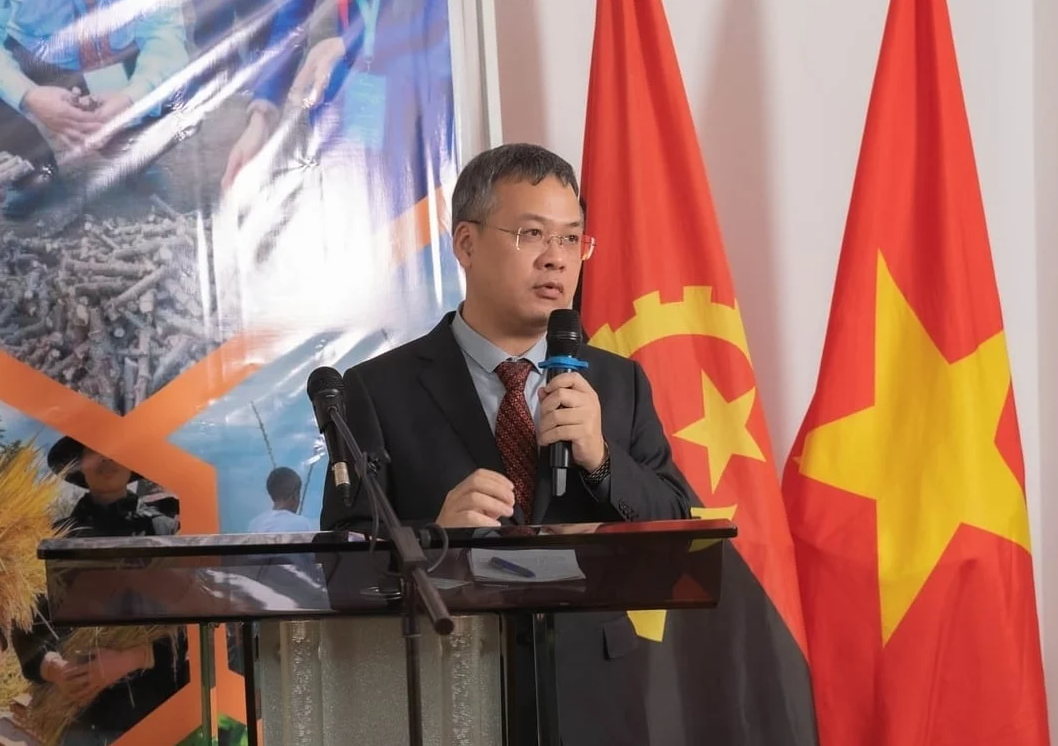
Speaking at the seminar, Vietnamese Ambassador to Angola Duong Chinh Chuc emphasized that science and technology play a vital role in forest conservation, forest fire monitoring, ecosystem restoration, and the sustainable development of the forest economy.
He noted that Angola possesses enormous agricultural and forestry potential. However, transforming this potential into higher productivity, greater value added, and a driver of economic growth requires science and technology to play a central role. Viet Nam, he said, is well positioned to share its experience in crop breeding, climate-resilient farming practices, aquaculture, digital agriculture, and sustainable forest management.
The Ambassador also highlighted the outcomes of the Ministry of Agriculture and Environment's South - South Cooperation mission to Angola in late 2025, which achieved encouraging results. He added that another delegation is expected to return to Angola in the near future to continue implementing joint plans and cooperation projects.
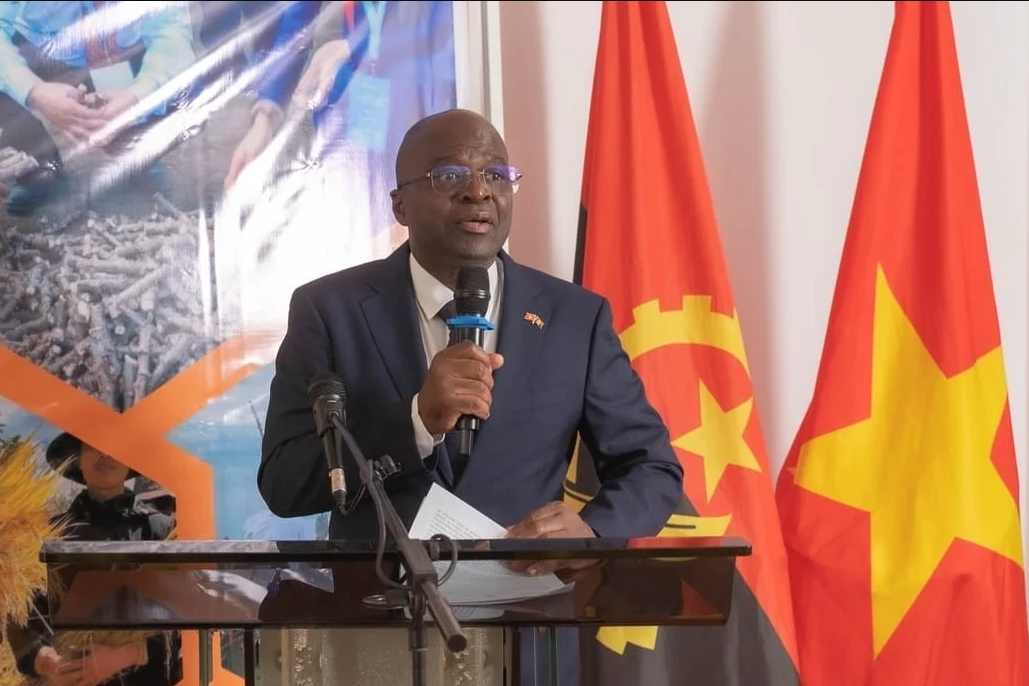
Building on this foundation, Nghiem Thi Yen, First Secretary in charge of Economic Affairs at the Embassy of Viet Nam in Angola, proposed expanding bilateral cooperation across a wide range of areas, including crop breeding, livestock production, forestry, agro-forestry processing, and aquaculture.
She noted that Viet Nam is ready to send experts to Angola to conduct field assessments and develop demonstration models that are cost-effective, appropriately scaled, and well suited to local conditions. These initiatives are expected to support investment, facilitate knowledge and technology transfer, and promote local production, enabling both countries to participate more deeply in sustainable agricultural and forestry value chains.
The First Secretary also encouraged Vietnamese businesses to proactively explore the Angolan market and identify long-term investment opportunities, particularly in rice production projects. At the same time, she called on Angolan enterprises to strengthen partnerships with Vietnamese counterparts to exchange experience, technology, and resources for mutual benefit.
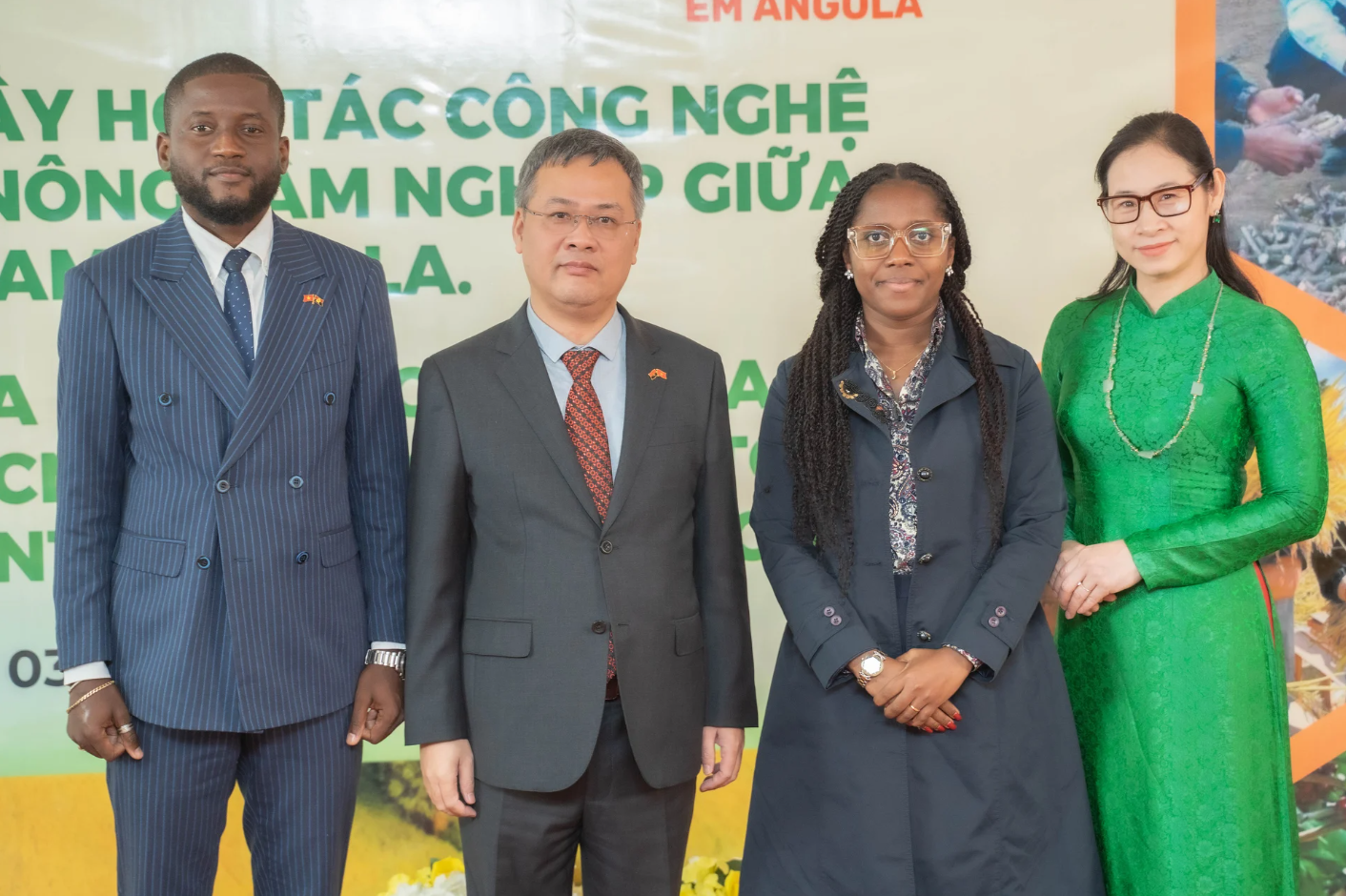
Welcoming Viet Nam's proposals, the Angolan side reaffirmed its commitment to promoting agriculture and forestry cooperation through an integrated value chain approach, covering scientific research, breeding, technology transfer, agricultural extension, mechanization, post-harvest processing, and market development.
The two sides also agreed to prioritize cooperation in sectors with strong potential, including rice, cassava, soybean, maize, coffee, forestry, high-tech agriculture, and human resource development.
Representatives of Angolan agencies further encouraged Vietnamese enterprises to expand investment in the country's agriculture and forestry sectors, pledging favorable conditions in terms of land access, infrastructure, and policy support. Many Angolan businesses and organizations also expressed interest in establishing partnerships with Vietnamese counterparts to implement concrete cooperation projects.
Phuong Linh