Viet Nam aligns agrifood systems agenda with FAO Global Roadmap
The FAO Global Roadmap sets out a pathway to support countries in simultaneously achieving food security goals.
From 28-29 July, the Ministry of Agriculture and Environment, in collaboration with the Food and Agriculture Organization of the United Nations (FAO), is organizing the workshop "Strengthening Viet Nam’s Agrifood Systems Agenda: Aligning Priorities, Partnerships, and Implementation."
The workshop brings together representatives from government agencies, international organizations, development partners, research institutions, businesses, and other stakeholders to discuss approaches for adapting the FAO Global Roadmap to the Vietnamese context. It will also review the implementation of Decision No. 300/QD-TTg, issued in 2023, approving the National Action Plan for Transparent, Responsible, and Sustainable Food Systems Transformation to 2030 (NAP-FST).
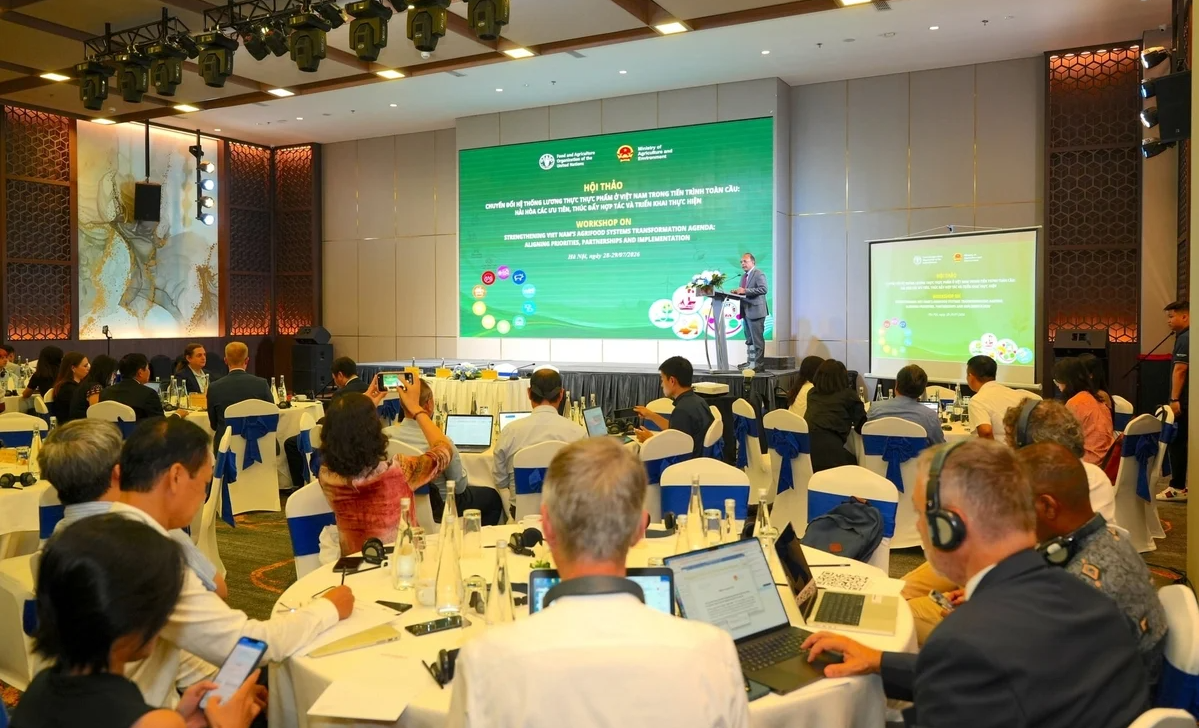
10 priority global transformation areas for agrifood systems
A key focus of the workshop is to review agrifood systems transformation initiatives currently being implemented in Viet Nam by development partners, while discussing the FAO Global Roadmap. The roadmap serves as an action framework to help countries simultaneously achieve food security and nutrition, economic growth, climate adaptation, natural resource conservation, and greenhouse gas emissions reduction.
The Global Roadmap is built around 10 priority transformation areas and approximately 120 priority actions, providing an integrated reference framework that can be flexibly adapted to each country's specific conditions and development priorities.
In Viet Nam, the Ministry of Agriculture and Environment is currently advancing agrifood systems transformation through five key priority areas: strengthening institutions and modern governance; promoting ecological, circular, and low-emission agrifood systems; improving the sustainable management and efficient use of natural resources; accelerating science, technology, and digital transformation; and mobilizing domestic and international resources to drive the green transition toward achieving Net Zero.
"The Ministry of Agriculture and Environment has been working closely with FAO and international partners to develop policy directions and solutions tailored to Viet Nam's national context. Today's workshop will contribute to refining policies, strengthening coordination, and enhancing the implementation of the National Action Plan for Transparent, Responsible, and Sustainable Agrifood Systems Transformation, paving the way for a greener and more sustainable agricultural sector," a representative of the International Cooperation Department said.
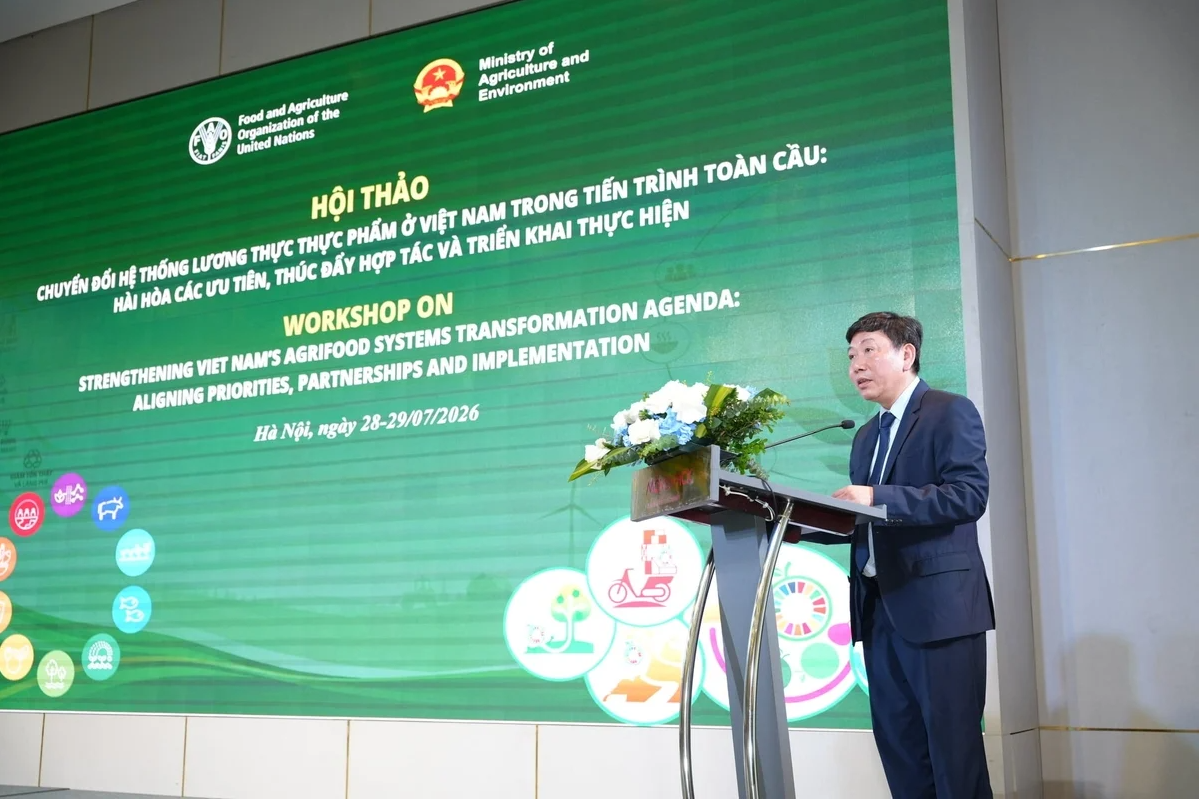
Aligning policy, technology, and market incentives
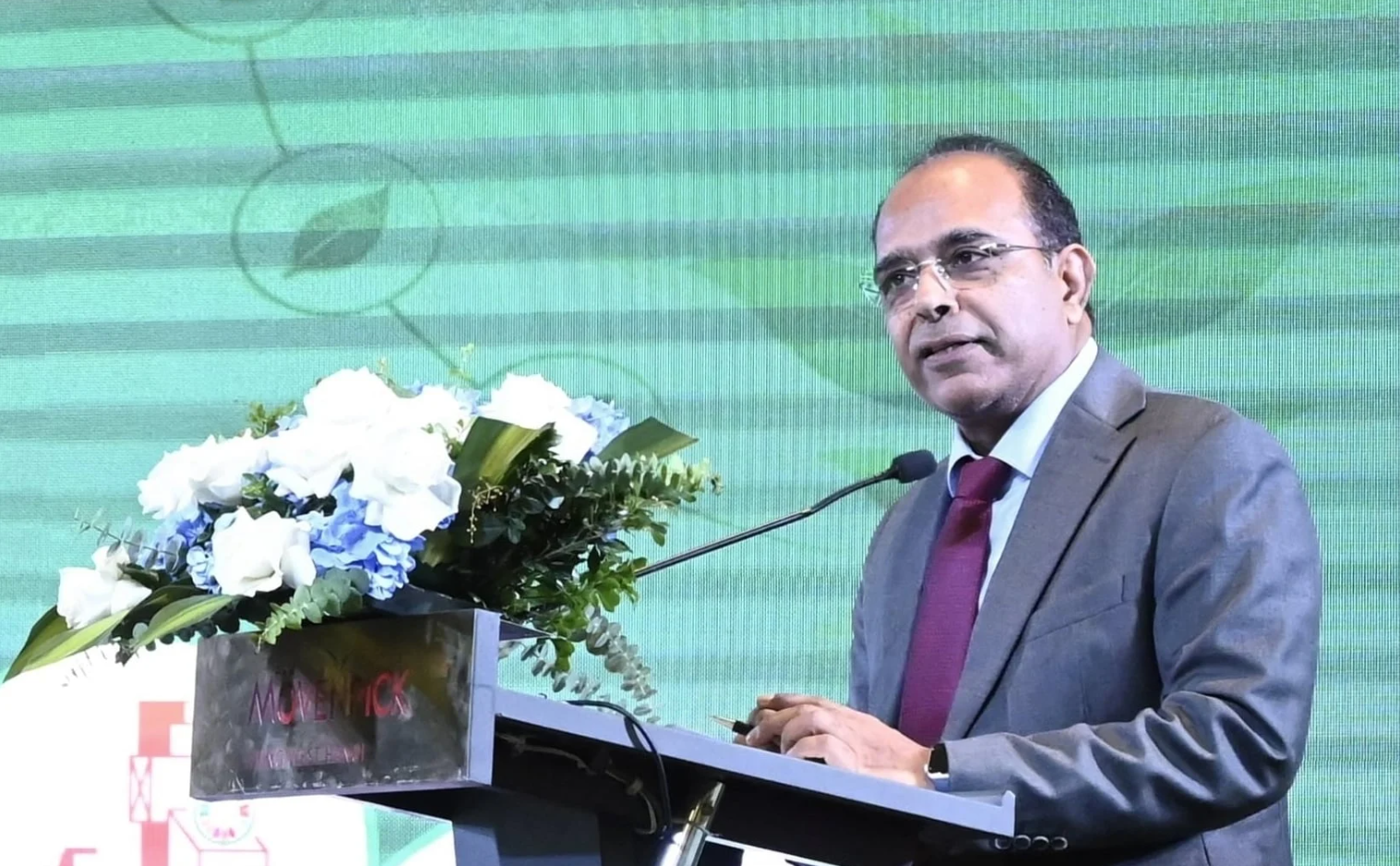
Dr. Vinod Ahuja, FAO Representative in Viet Nam, stressed that the success of agrifood systems transformation does not depend on the number of policies or projects introduced, but rather on the coherence between policies, institutions, incentive mechanisms, and investment resources.
"Developing a comprehensive policy framework must go hand in hand with the principle of prioritization. Given the constraints of financial resources and institutional capacity, we need to identify priority actions that can deliver multiple benefits, including economic growth, higher incomes for farmers, greater resilience, improved nutrition, and environmental protection. In this process, the FAO Global Roadmap will serve as a vital tool to help Viet Nam identify policy gaps and pinpoint the key leverage points needed to drive transformation across the entire agrifood system," the FAO Representative emphasized.
Regarding implementation, Dr. Ahuja noted that each priority should be translated into a clear implementation roadmap, specifying the lead agency, coordinating institutions, sequencing of actions, existing capacities, capacity gaps that need to be addressed, and the financial resources required for effective implementation.
Participants noted that the FAO Global Roadmap is highly aligned with the objectives set out in NAP-FST, encompassing priorities such as increasing farmers' incomes, improving nutrition and food safety, promoting ecological production, reducing greenhouse gas emissions, strengthening traceability, and accelerating digital transformation. This strong alignment provides a solid foundation for Viet Nam to link its national development priorities with global commitments while attracting investment, technology, and collaborative initiatives to support its agrifood systems transformation.
The workshop also reaffirmed Viet Nam's pioneering role in advancing agrifood systems transformation across the Asia-Pacific region. This leadership is reflected in the country's proactive adoption of the NAP-FST, the establishment of the Food Systems Transformation Partnership, and the implementation of pilot initiatives at the local level.
Adopting the FAO Global Roadmap will help Viet Nam strengthen its leadership in agrifood systems transformation while making meaningful contributions to global efforts to advance food security, nutrition, climate action, and sustainable development.
Phuong Linh - Kieu Chi