EU tightens food safety requirements for Vietnamese businesses
Some consignments of Vietnamese food products have been flagged by the EU over errors in labeling, undeclared allergens, residues, microorganisms and packaging.
According to Viet Nam Financial Times, citing the Viet Nam SPS Office, the focal point for receiving information from the EU’s Rapid Alert System for Food and Feed (RASFF), as of August 12, 2026, a number of alerts had been issued concerning food products exported from Viet Nam.
One of the issues highlighted is labeling and the declaration of allergens. In 2026, the EU recorded cases involving shrimp-filled dumplings and ravioli in which eggs, an allergen, were not declared on the labels. Some other products were also found to lack information on allergens.
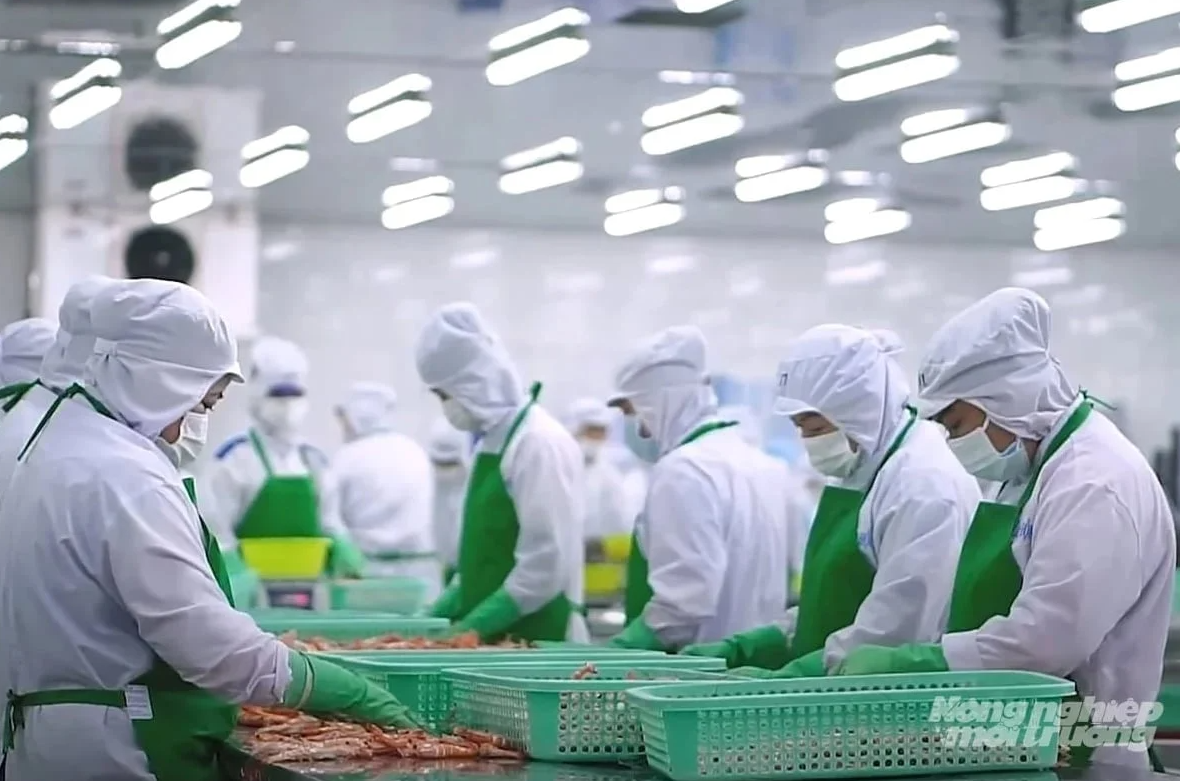
The Viet Nam SPS Office recommends that businesses thoroughly check all ingredients and additives and ensure that allergens are accurately declared on product labels. Businesses should also review product names, ingredients and labeling information to ensure they correspond to the actual products.
For vegetarian and vegan foods, businesses need to exercise strict control over ingredients and the risk of cross-contamination. Some alerts found animal DNA, including chicken and pork, in products that did not match their declared composition.
Regarding residues of pesticides, veterinary drugs, contaminants and food additives, businesses should strengthen controls from the production areas and raw materials through to processing, while keeping up to date with the EU’s maximum limits for different product groups.
Microbiological safety is another area requiring particular attention, especially for foods of animal origin. Businesses are advised to strengthen hygiene measures and testing for pathogens such as Salmonella and Vibrio cholerae. This year, the EU has issued alerts concerning some frog leg products contaminated with Salmonella and basa fish fillets found to contain Vibrio cholerae.
For irradiated food, businesses must comply with EU regulations and provide full labeling. Two cases involving irradiation of pangasius fillets were recorded in 2026.
Packaging materials that come into direct contact with food are also a potential risk. The Viet Nam SPS Office recorded a case in which Bisphenol A (BPA) migrated from packaging into food, failing to meet EU requirements. Businesses therefore need to closely control packaging materials and the potential migration of substances into products.
The Viet Nam SPS Office has called on management agencies, associations, local authorities and businesses to step up efforts to disseminate and update information on the EU’s SPS requirements. This would help reduce the risk of goods being flagged, rejected at import, recalled or subject to other enforcement measures.
Earlier, in Notice No. 566/TB-SPSBNNVN dated July 31, 2026, the Viet Nam SPS Office compiled 53 notifications from WTO members on food safety and animal and plant quarantine measures that could affect Vietnamese agricultural exports. Of these, the EU issued three notifications concerning animal import requirements and authorization of feed additives.
According to the Ministry of Agriculture and Environment, Viet Nam’s exports of agricultural, forestry and fishery products reached nearly US$42.8 billion in the first seven months of 2026, up 7.5% year on year. Europe currently accounts for 13.8% of the export market share for these products.
As the EU continues to tighten its standards, proactive quality control, traceability and regular updates on import regulations are becoming increasingly important for businesses to maintain market access, minimize losses and improve their competitiveness.
Minh Hanh