Viet Nam's financial proposals for restoring soil health at COP17
Three solutions Viet Nam is implementing: forest environmental service payment, carbon market, and public-private--community partnership.
On August 24, the 17th Conference of the Parties to the United Nations Convention to Combat Desertification (UNCCD COP17) in Ulaanbaatar, Mongolia, officially entered its high-level segment, bringing together heads of state, ministers, deputy ministers and senior representatives of countries and international organizations.
Building on the activities of the first week, the high-level meetings provide a platform for countries to discuss issues of strategic importance to the future of land, water resources, ecosystems and community livelihoods.
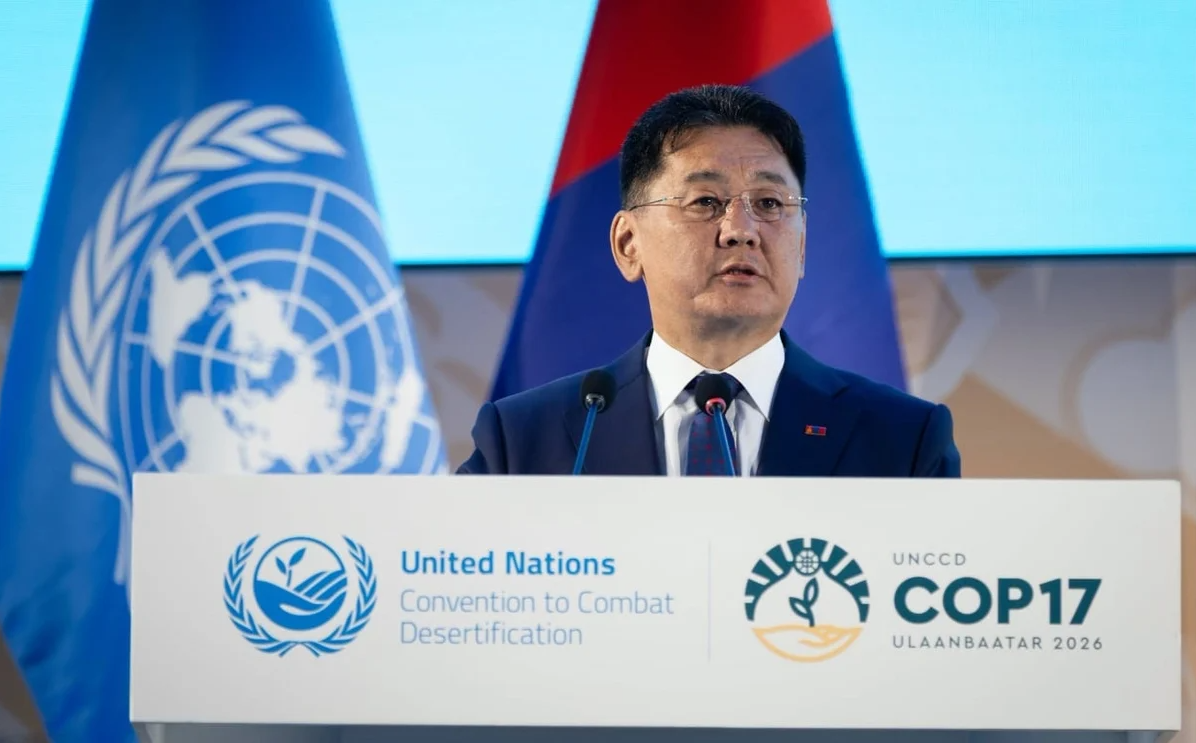
Under the theme “Restore Land, Restore Hope,” COP17 continues to reaffirm that land restoration is not only an environmental imperative, but also a critical solution for ensuring food and water security, protecting livelihoods, reducing poverty and strengthening resilience to climate change.
According to the VNFOREST, Viet Nam’s delegation has actively participated in COP17, contributing its voice to high-level discussions, sharing practical experience and proposing solutions to advance land restoration, strengthen drought resilience, ensure water security and mobilize resources for sustainable development.
At the Ministerial Dialogue on “Innovative Financial Mechanisms for Soil Health and Drought Resilience,” the Vietnamese delegation emphasized that severe land degradation and drought are posing increasingly significant risks to global food and water security.
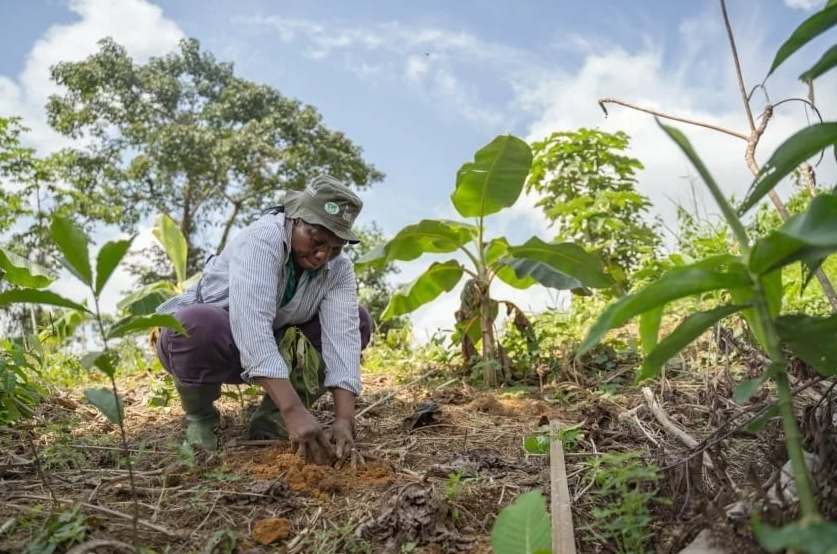
Drawing on its domestic experience, the Vietnamese delegation shared three groups of solutions currently being implemented: forest environmental service payments; development of the forest carbon market and green finance sources; and promotion of public-private-community partnerships.
Accordingly, Viet Nam proposed three priorities for scaling up innovative financial mechanisms for land restoration globally.
First, access to international climate and land finance needs to be simplified, while risk-mitigation instruments should be developed to encourage private-sector investment. At the same time, transparent and high-integrity international standards for carbon markets and ecosystem services should be established as a foundation for mobilizing and effectively using financial resources.
The third priority is to strengthen technology transfer, particularly in digital land monitoring and the development of early warning systems for drought.
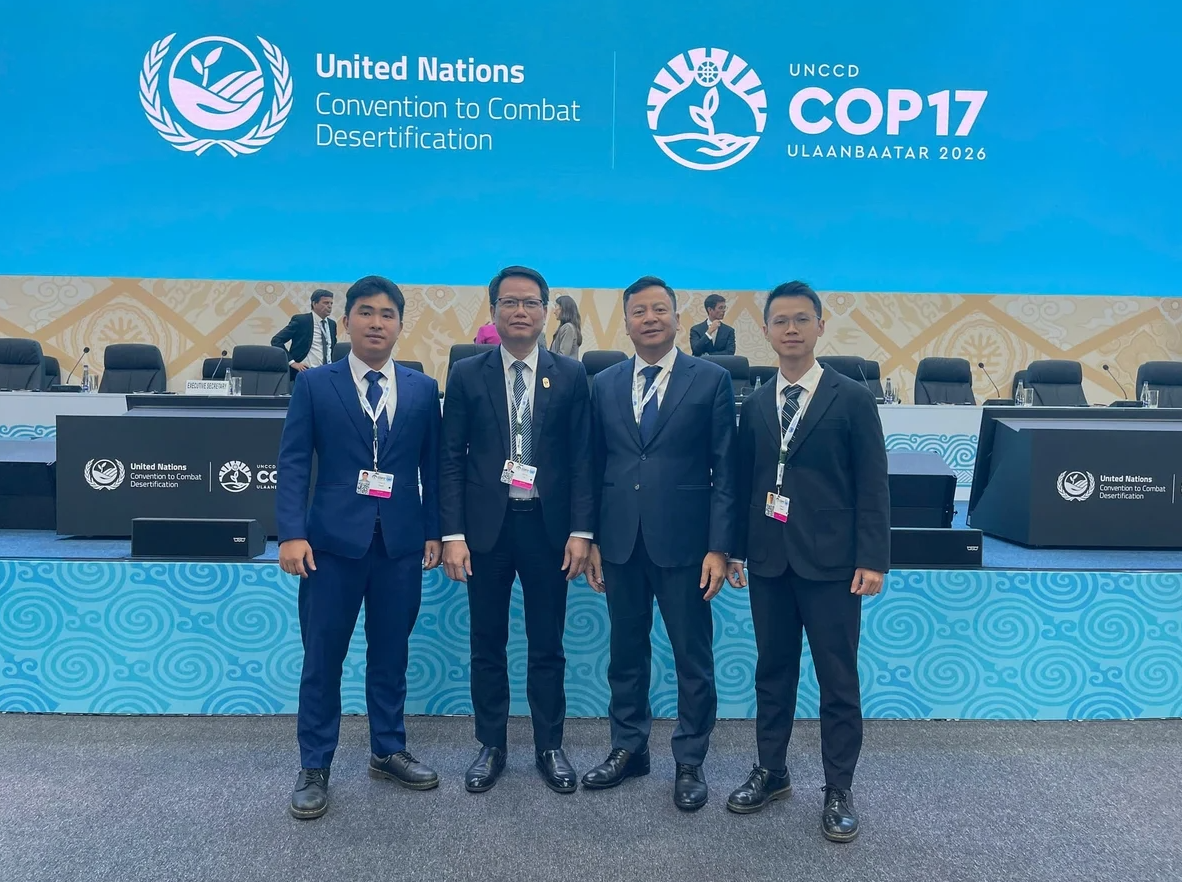
In the coming days, the Vietnamese delegation will continue to actively participate in high-level meetings and activities focusing on the key themes of COP17, including Water Day and Land and People Day.
Through its engagement at COP17, Viet Nam continues to affirm the essential role of the United Nations Convention to Combat Desertification (UNCCD) in addressing land degradation and drought worldwide, while highlighting the close links between land restoration and food security, water security, ecosystem protection and improved livelihoods.
Viet Nam stands ready to continue sharing its experience and strengthening cooperation with the Convention’s Secretariat, member countries and the international community to advance practical and effective solutions toward Land Degradation Neutrality (LDN) and a more sustainable and resilient future for people and the planet.
Kieu Chi