Positioning farmers' role in agroecology
Farmers tied to the fields are the core of spreading agroecology, especially in remote areas and among ethnic minority communities.
This was the overarching message at the workshop "Agroecology for a Sustainable Future", co-organized by ActionAid International in Viet Nam and the Aid for Social Protection Program Foundation Vietnam (AFV) on September 14 in Ha Noi.
Measuring effectiveness by people's quality of life
No longer limited to isolated trials, agroecology has become a core strategic direction, serving as a foundation for Viet Nam's green and inclusive transition.
In the National Action Plan for Food Systems Transformation, Viet Nam aims to develop an ecological, low-emission agriculture that is highly resilient to climate change. This is also one of the five key technical clusters prioritized for implementation.
This step aligns with global frameworks, specifically the Food and Agriculture Organization (FAO)'s 10 Elements of Agroecology and the roadmap for implementing Sustainable Development Goal 2 on zero hunger (SDG 2), linked to enhancing climate resilience.
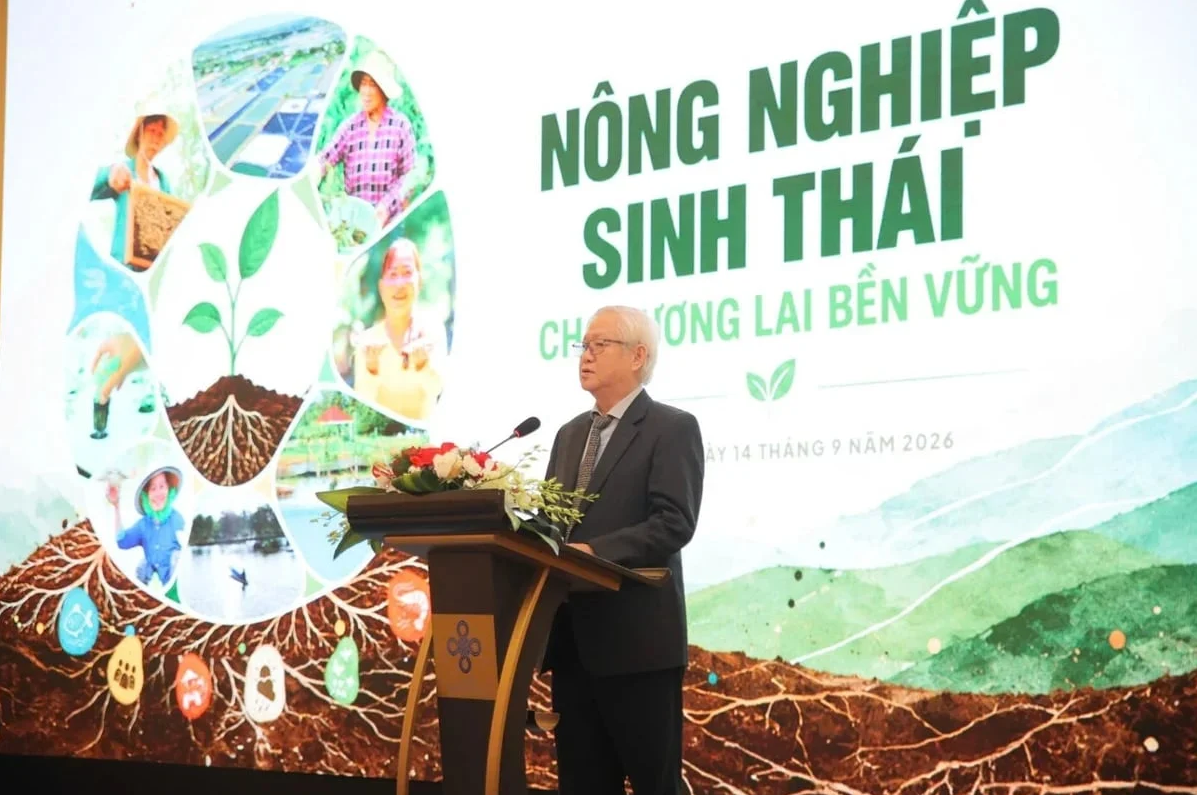
Affirming the close bond between agriculture and community life, Mr. Ta Viet Anh, Chairman of the AFV Management Board, said agriculture directly affects the livelihoods and disaster-response capacity of millions of rural people. Looking back at over a decade of strategic cooperation between AFV and ActionAid, circular livelihood and emission-reduction initiatives have helped farmers secure stable incomes from clean agricultural products and improve their resilience to increasingly severe natural disaster risks.
From an inclusive development perspective, Ms. Pauline Tamesis, United Nations Resident Coordinator in Viet Nam, emphasized: Agroecology is not merely a set of farming techniques; it places humans and nature at the center, concurrently driving the implementation of 10 Sustainable Development Goals.
The national action plan's core metric must be tangibly reflected in farmers' quality of life, such as more stable incomes, reasonable production costs, better climate adaptability, and fair market access opportunities. "To create large-scale, long-term, and effective impacts, countries need to build sustainable livelihoods and green markets; promote the roles of women and youth as drivers of change; and synchronize policies, partnerships, and financial resources", Ms. Pauline Tamesis affirmed.
Women and youth - the pioneering leaders
At the thematic discussion sessions, delegates paid special attention to the pioneering role of women and youth. Reality shows that rural women still face many barriers in accessing capital, land, and decision-making power, while the youth hold immense potential for innovation, digital transformation, and the development of new business models. Facilitating these two forces' full access to resources is the key to paving the way for a successful ecological transition.
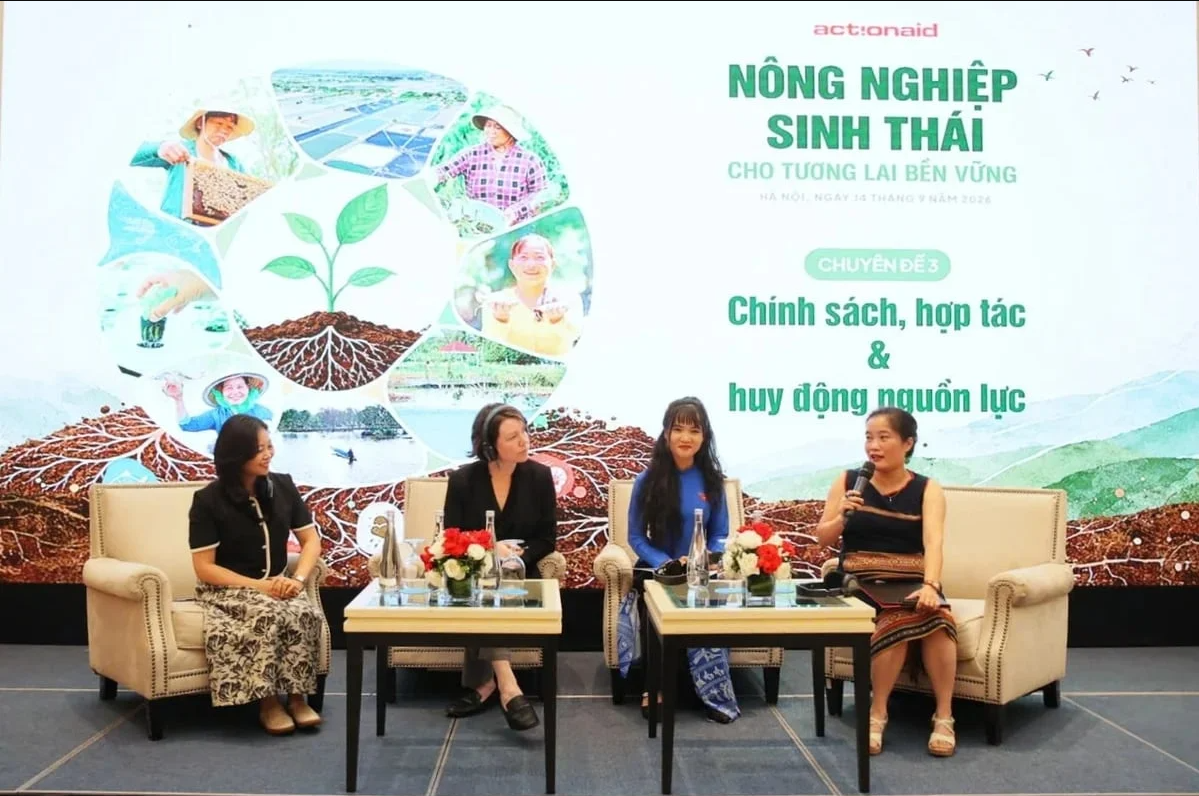
To illustrate this, Ms. Hoang Phuong Thao, Country Director of ActionAid International in Viet Nam, shared insights on circular livestock and aquaculture models in the Mekong Delta: In the 2023 - 2025 period, the project partnered with 837 households, mostly female-led. The results have reduced greenhouse gas emissions by over 11% and saved energy costs for each participating household. When women confidently lead cooperatives and young people bring technology to the fields, they are no longer passive beneficiaries but have become drivers of the green transition in their homelands.
Spreading the spirit of South-South cooperation
A special highlight of the workshop was the participation of nearly 30 delegates from Asian and African countries, representing state management agencies, research institutes and universities, businesses, cooperatives, non-governmental organizations, and international development partners. Along with sharing practical experiences, delegates proposed integrating agroecology into local development planning, while studying the establishment of post-disaster recovery funds focused on regenerating ecosystems (soil, water, forests) rather than solely repairing physical infrastructure.
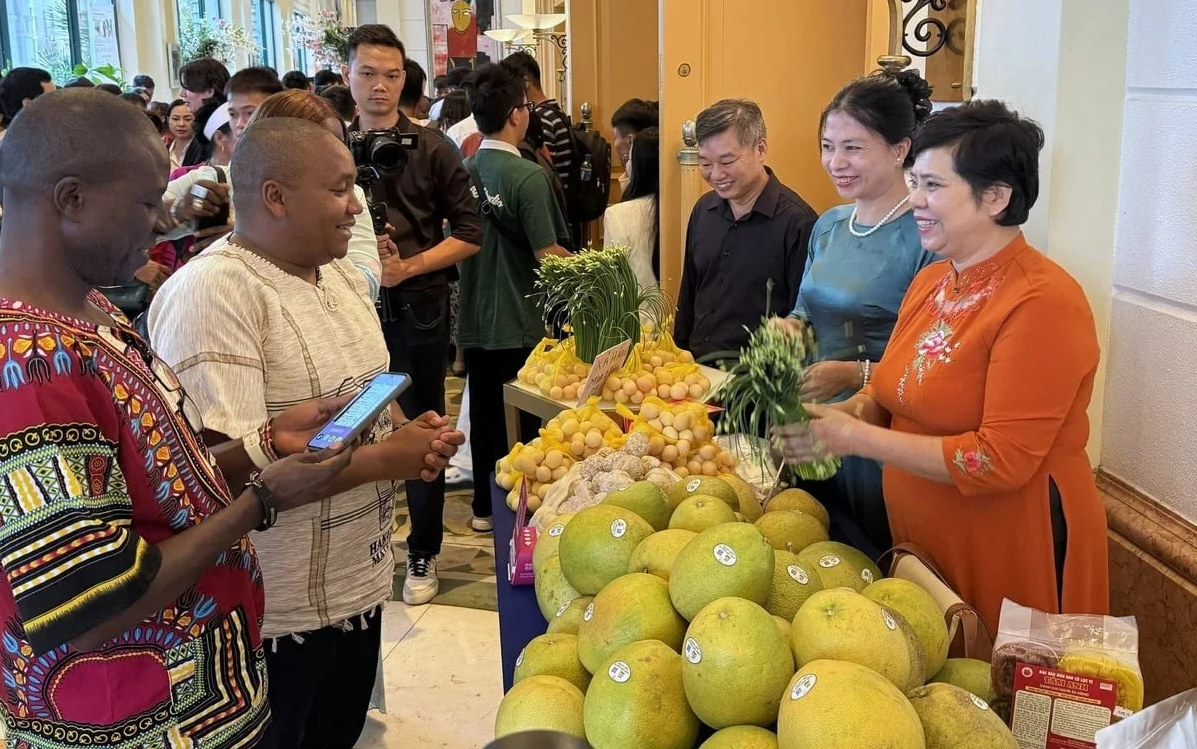
Highly appreciating Viet Nam's persistent efforts in promoting social justice and climate-resilient agriculture, Mr. Arthur Larok, Secretary General of ActionAid International, noted that Viet Nam has extensive experience to share with international friends regarding cooperative models, agricultural value chains, and community-based resource management. Concurrently, Viet Nam can also absorb many valuable lessons from Global South countries on farmer-led initiatives, indigenous knowledge, and experiences in empowering women and youth.
Khanh Ly