Japan increases Viet Nam coffee imports in first half of 2026
Viet Nam is the second largest coffee supplier to Japan in the first 6 months of 2026, reaching 55.5 thousand tons, valued at 247.8 million USD.
Increase in import volume from Viet Nam
A bulletin from the Agency of Foreign Trade (Ministry of Industry and Trade) stated that, according to statistics from Japan Customs, in the first 6 months of 2026, Japan's coffee imports reached 173 thousand tons, valued at nearly 1.2 billion USD, down 9.3% in volume but up 2.4% in value compared to the same period in 2025.
Japan's average import price of coffee reached 6,922 USD/ton, up 12.9% from the same period in 2025. In Japan, the average import price of coffee from major markets all increased compared to the same period in 2025, except for imports from Viet Nam, which decreased. Specifically, Japan's import price of coffee from Viet Nam decreased by 16.4% compared to the same period in 2025, down to 4,462 USD/ton.
In the first half of 2026, Japan imported coffee from 53 countries and territories worldwide. In the first half of 2026, Japan increased its import volume from Viet Nam, Tanzania..., while decreasing imports from Brazil, Colombia, and Guatemala.
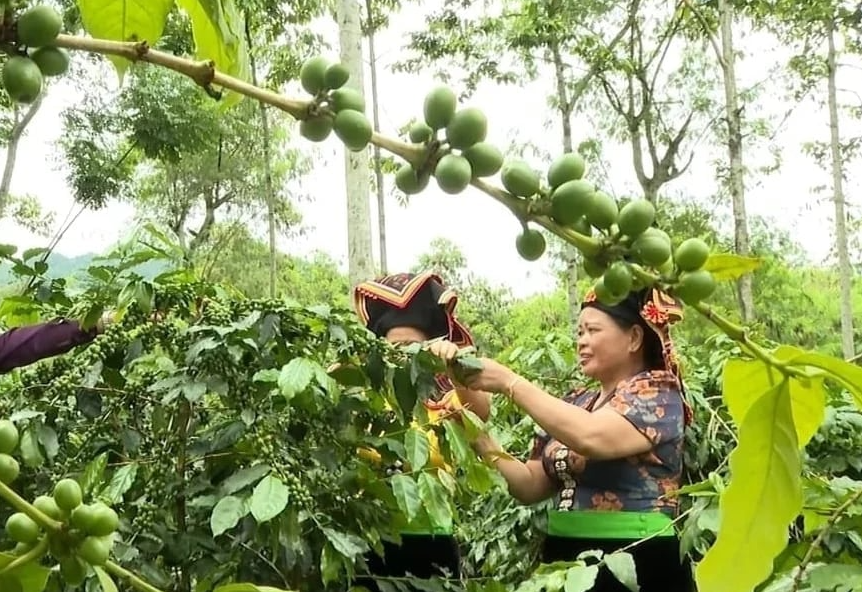
Specifically, Brazil is Japan's largest coffee supplier, reaching 63.2 thousand tons, valued at 471.6 million USD, down 15.3% in volume but up 11.9% in value compared to the same period in 2025.
Viet Nam is the second-largest coffee supplier to Japan, reaching 55.5 thousand tons, valued at 247.8 million USD, up 5% in volume but down 12.2% in value compared to the same period in 2025. Viet Nam's coffee market share in Japan's total import volume increased from 27.74% in the first 6 months of 2025 to 32.1% in the first 6 months of 2026.
Colombia is the third-largest coffee supplier to Japan, reaching 15.3 thousand tons, valued at 131.3 million USD, down 12.9% in volume but up 3.3% in value compared to the same period in 2025.
Japan is a large coffee market with stable consumption but sets high requirements for quality, food safety, packaging and traceability.
In the first 6 months of 2026, Japan's coffee imports saw adjustments as world coffee prices remained high, the Yen weakened and inflationary pressure increased. Against that background, Japanese enterprises tend to control inventory, restructure supply sources and prioritize products with uniform quality and competitive prices.
The continued increase in coffee imports from Viet Nam is a positive signal, showing that Vietnamese coffee is increasingly better meeting market demand. The increased market share shows the growing interest of Japanese importers in Vietnamese coffee, especially Robusta thanks to its stable supply and competitive price.
Controlling quality, origin
To grow exports to this market in the coming time, Vietnamese enterprises need to improve quality, control residues and improve traceability. Besides, enterprises need to strongly develop roasted and ground coffee, instant coffee and convenient products suitable for Japanese consumers' tastes. Gradually shifting from price competition to competition by quality and added value will help Vietnamese coffee improve its competitiveness and consolidate a sustainable position in this market.
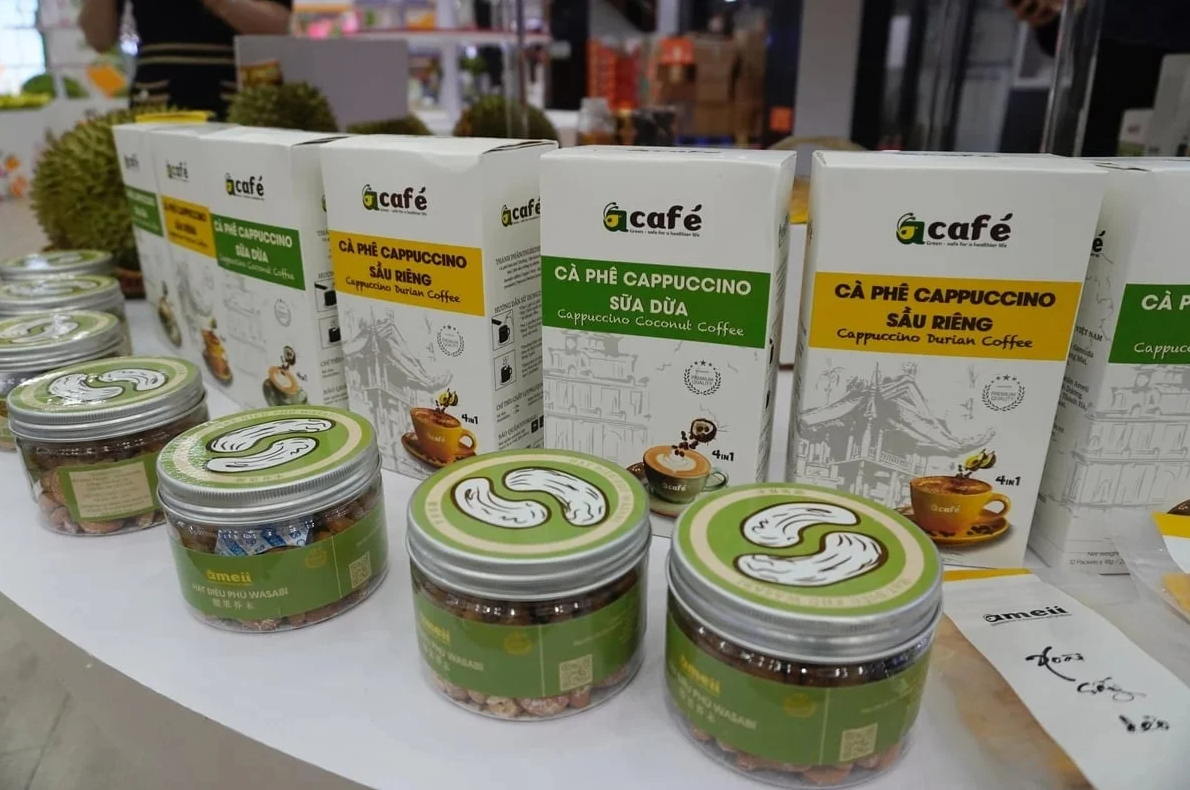
Dr. Nguyen Hong Son, President of the Union of Vietnamese Associations in Japan shared, to maintain and improve its position in Japan, Vietnamese coffee needs to overcome some major challenges.
First is quality and stability. The Japanese market has high requirements for flavor, uniformity between batches and crops, requiring enterprises to standardize processes, control quality and strongly promote deep processing.
Besides, traceability and information transparency are increasingly becoming mandatory requirements, from planting areas and production processes to environmental standards. This also motivates the coffee industry to shift to sustainable production and digitize the supply chain.
Competition in Japan is also increasingly fierce as Brazil, Colombia, and Ethiopia strongly promote specialty coffee and build brand stories. Therefore, Vietnamese coffee cannot rely solely on output; it needs to build its own identity, especially in the deep. Japan increases Vietnamese coffee imports in the first half of 2026, particularly in the processing and specialty coffee segments.
Finally, access to the Japanese distribution system remains a limitation for many enterprises. If these bottlenecks improve, Vietnamese coffee cannot only maintain but also strengthen its position in the Japanese market.
Hong Tham