Viet Nam, South Korea link tech investment in agriculture
Vietnamese and South Korean firms boost tech ties to enhance byproduct value, digitize production chains and develop circular agriculture.
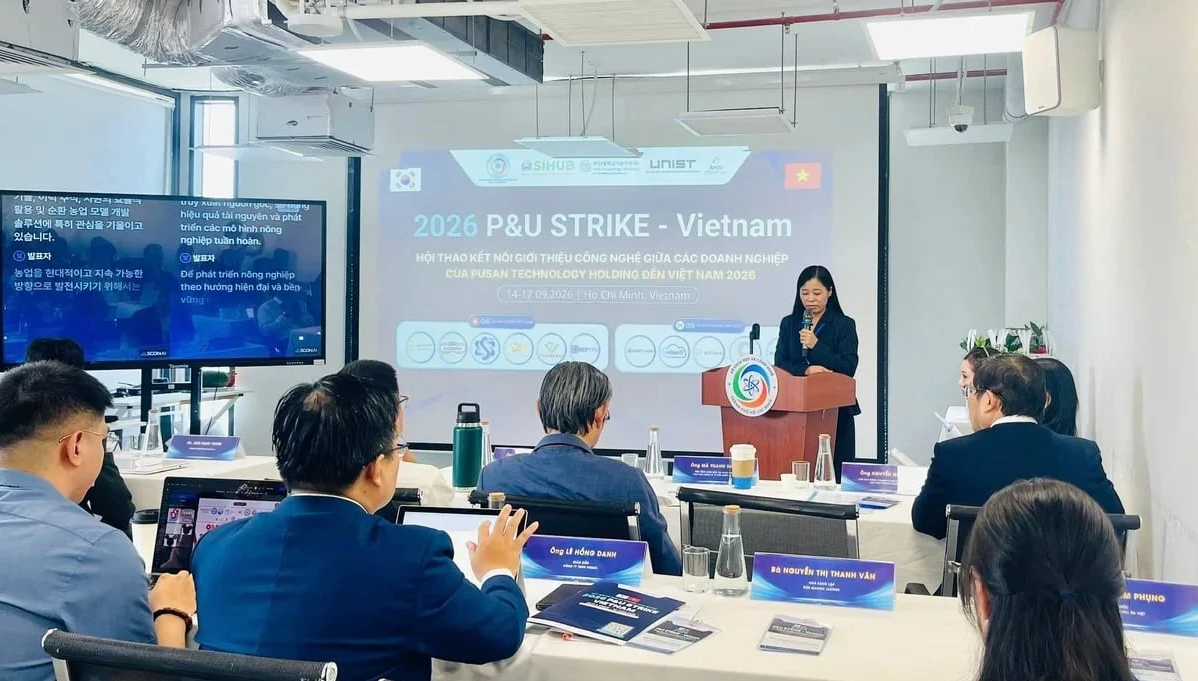
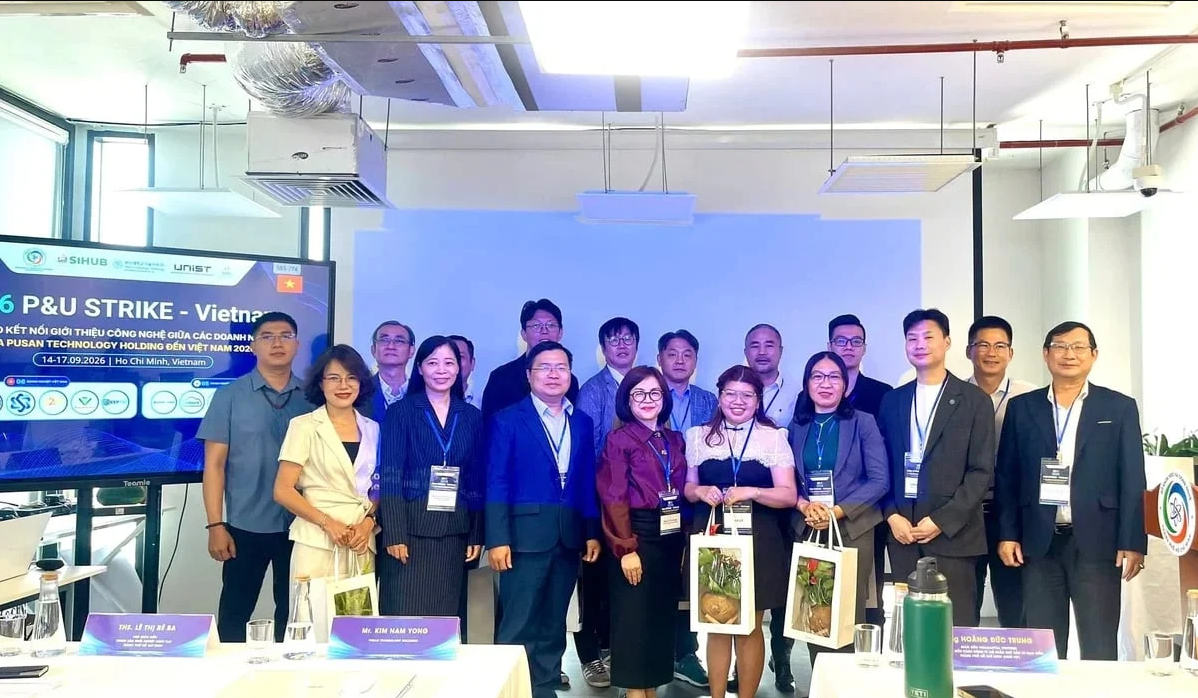
On September 15, chaired by the HCMC Department of Science and Technology, the Saigon Innovation Hub (SIHUB), in collaboration with Korean partners and the Agricultural High-Tech Business Incubation Center (under the Management Board of HCMC Agricultural High-Tech Park), organized a workshop titled "Connecting and introducing technology from Pusan Technology Holdings' enterprises to Viet Nam".
Vietnamese enterprises brought solutions in education, drones/UAVs, biomaterials, circular agriculture, and digital transformation. For instance, S2M Mango Leather Company develops bio-leather materials from mango peels, aiming to integrate agricultural by-products into new value chains, reducing environmental impact while increasing the economic value of local raw materials.
En Viet PCL Co., Ltd combines biotechnology with the utilization of by-products, returning materials to the production cycle to optimize resources, reduce waste, and increase value.
Deep Pro Technology Group JSC develops solutions applying AI, Blockchain, IoT, and data in governance, traceability, digital transformation, and carbon data management.
These solutions demonstrate that technology is opening up new possibilities for production management, origin transparency, and meeting increasingly high demands for the environment, emissions, and sustainable development.
On the Korean side, enterprises introduced numerous solutions applying AI, IoT, and data in logistics, as well as digital product and healthcare development. The technologies focus on digitizing operations, enabling real-time data connectivity, supporting website and application development, improving management efficiency, and enhancing interactivity at medical facilities.
Connecting these technologies in HCMC not only showcases the capabilities of Korean businesses but also creates conditions for enterprises to access needs, feedback, and potential partners in the Vietnamese market. This opens up possibilities to test, apply, and develop suitable cooperation models.
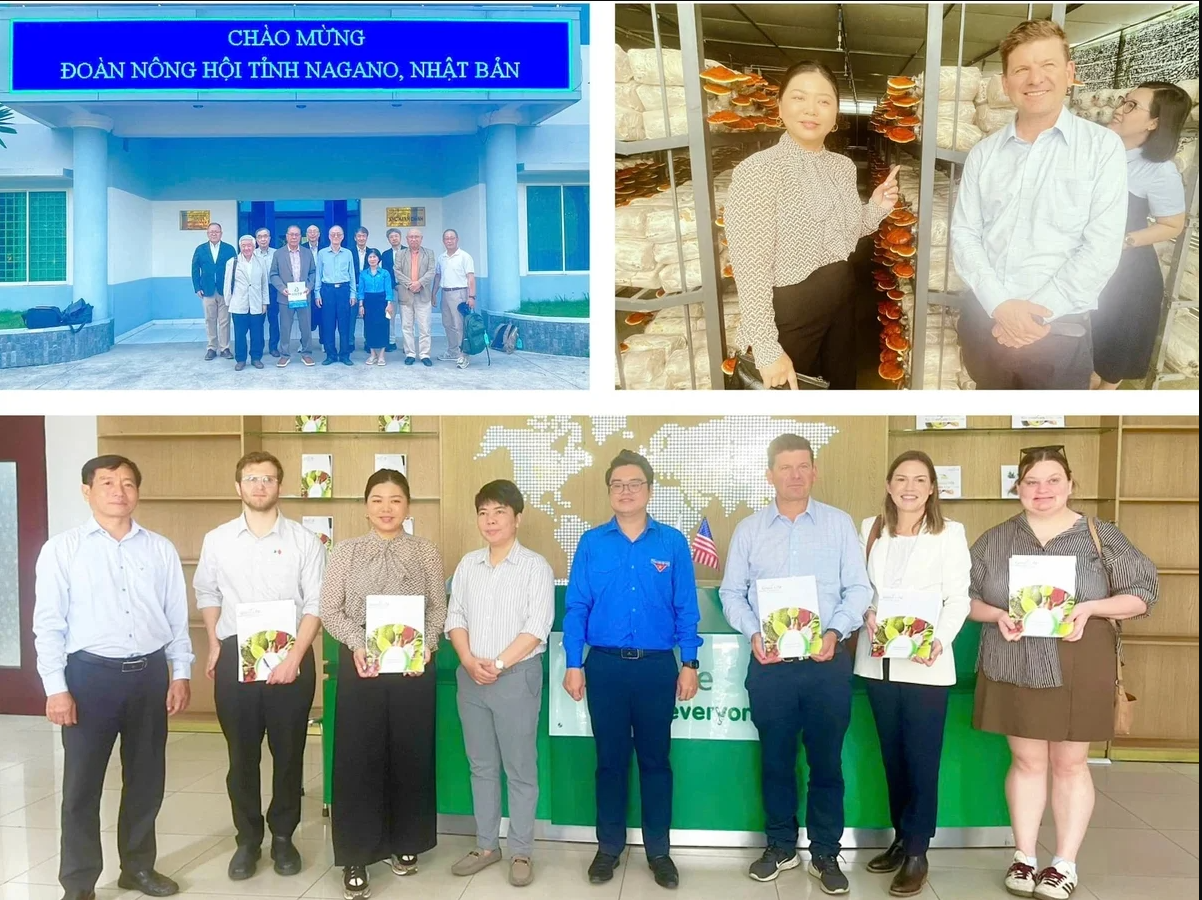
According to Ms. Vuong Thi Hong Loan, Director of the Agricultural High-Tech Business Incubation Center, the program creates opportunities for Vietnamese and Korean enterprises to exchange information on technology, application needs, and find suitable partners.
According to Ms. Loan, the value of connection activities lies not only in introducing products and technological solutions but, more importantly, in helping businesses meet the right partners, understand each other's needs, and gradually put cooperation ideas into practice.
Amid the robust digital transformation, technology increasingly plays a vital role in enhancing competitiveness and sustainable development. In Viet Nam, especially in HCMC, the demand for technology application in production, business, and governance is growing, opening up numerous cooperation opportunities between technology firms and entities needing applications.
Ms. Loan stated that the Agricultural High-Tech Business Incubation Center focuses on three groups of tasks: supporting the formation and development of startups; connecting technology, resources, and markets; and promoting technology application in agriculture towards efficiency and sustainability.
Among these, the Center is interested in solutions for digital transformation, automation, biotechnology, post-harvest technology, traceability, efficient resource use, and circular agriculture.
Recently, the Center has supported many businesses and startup projects through training, product refinement, market connections, trade promotion, and access to development resources.
"The Center is ready to act as a bridge between businesses and resources, partners, and suitable cooperation opportunities. In particular, we always accompany Vietnamese enterprises and international partners in connecting solutions and promoting technology application in practice, especially in high-tech agriculture, innovation, and sustainable development", Ms. Loan said.
In the context of agriculture gradually shifting towards a green, circular, and data-driven model, the Viet Nam - Korea connection activity contributes to expanding opportunities to access technology, find partners, and integrate suitable solutions into production.
The program also contributes to materializing the spirit of Resolution No. 57-NQ/TW on promoting science, technology, innovation, enhancing international cooperation, and improving the capacity for technology application and transfer in enterprises.
Nguyen Thuy