International cooperation to promote green ports
Emission reduction pressures from major markets are forcing the maritime industry to go green to maintain and attract import-export cargo flows.
The marine economy and logistics are becoming key growth drivers in southern Viet Nam. As emission and sustainability standards become more stringent, port development is no longer simply about expanding berths or handling capacity. The new priority is to build an interconnected port-logistics ecosystem powered by data, reducing emissions and creating direct value for customers.
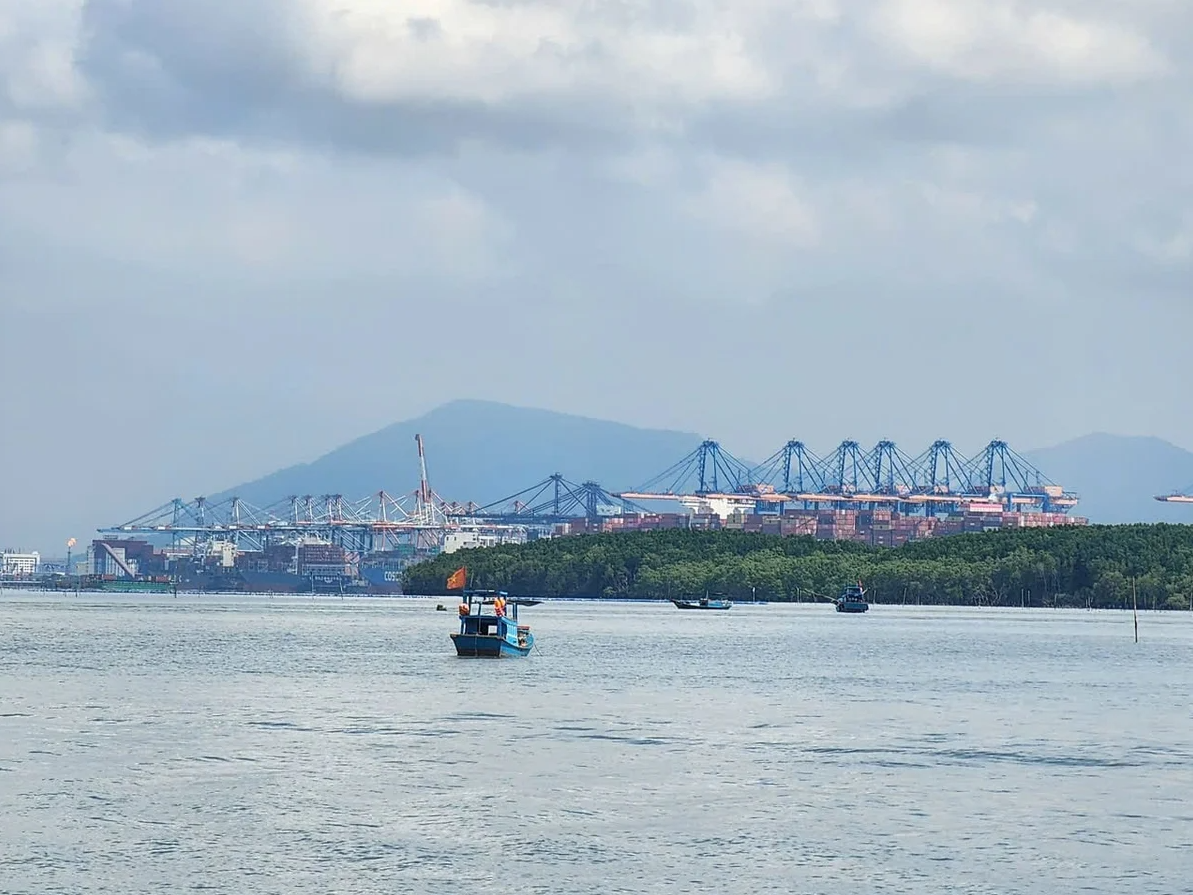
According to the Ho Chi Minh City Department of Construction, the city’s seaports are projected to handle 463.4-512.5 million tonnes of cargo by 2030, including 29.63-33.16 million TEUs of containers, excluding international transshipment. To become a leading logistics and port hub in Southeast Asia, the city needs to invest in both ports and connecting infrastructure while promoting green ports, digitalization and automation, and trade facilitation through models such as free trade zones and open ports.
Ho Chi Minh City has an opportunity to become the country’s and region’s largest port and logistics hub. However, expanding port capacity also requires stronger hinterland connectivity, a challenge facing the city’s entire logistics system and the southern key economic region.
At the third Ho Chi Minh City Friendship Dialogue (FD 2026), held recently in the city, experts said Ho Chi Minh City should strengthen its role as a regional logistics gateway, connecting domestic markets while engaging more deeply in global supply chains and maritime networks.
Three priorities include international cooperation on digital data, learning from green and smart port models, and expanding strategic partnerships through MOUs and international port alliances. The city should also work with partners in Europe, North America and Northeast Asia to establish green transport corridors.
Tan Shu Yee, Director of International Business at the Singapore Business Federation, said Singapore and Ho Chi Minh City have strong potential for greater logistics cooperation as global supply chains diversify and Viet Nam continues to strengthen its infrastructure and manufacturing capacity.
Singaporean businesses can contribute to developing new trade and logistics corridors, drawing on their experience in green and digital transformation. Supply chain diversification is creating further opportunities for such cooperation.
Thuc Vy