Building a green shield to protect the Cu De River
Da Nang and its partners are restoring the Cu De River basin, strengthening green infrastructure, protecting water resources and improving climate resilience.
Joining hands to restore upstream forests
Originating in the Truong Son mountain range before flowing into Nam O Bay, the Cu De River not only supports ecosystems in northwestern Da Nang but also supplies water to the city and reduces its reliance on the Vu Gia River. However, pressure from economic development, farming on sloping land and domestic wastewater, particularly the clearing of natural forests for acacia plantations, is degrading the river basin.
Mr. Nguyen Van Chung, a resident of Ta Lang - Gian Bi Village in Hai Van Ward, said old-growth forests used to retain water effectively, keeping the Cu De River flowing year-round. As acacia trees have covered the hillsides, the forest floor has lost part of its organic layer and its ability to retain water has declined. As a result, the river has become more prone to drought, while natural water storage has fallen by more than 50%.
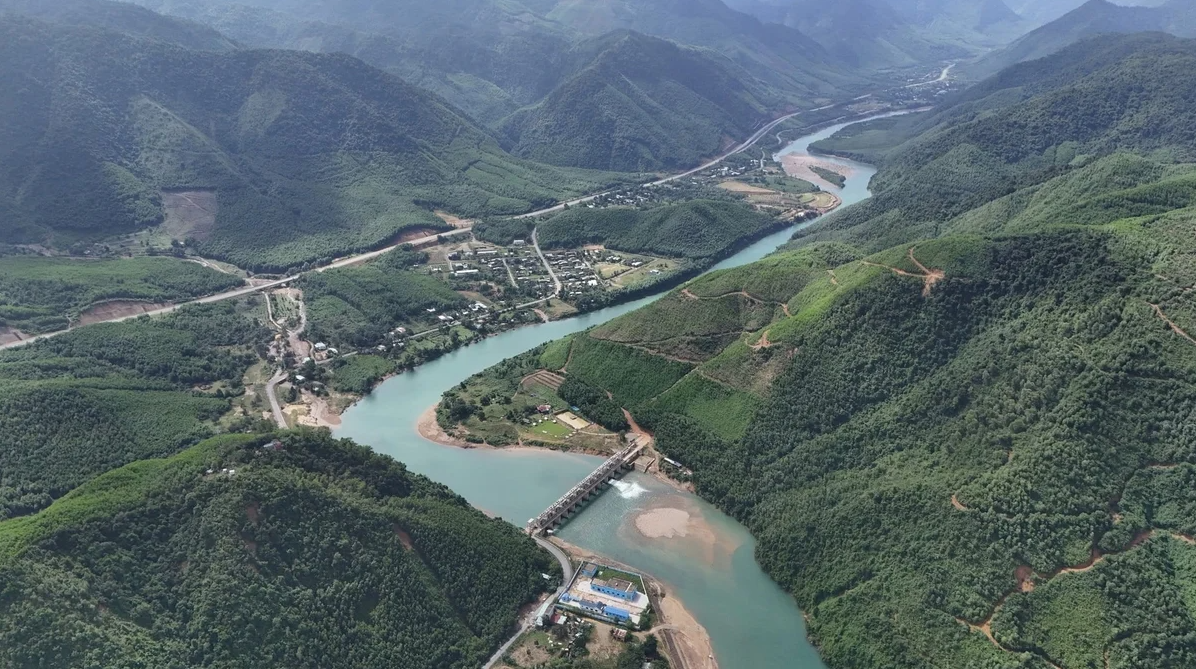
Recognizing the close link between upstream forests and water resources, residents of Ta Lang - Gian Bi have taken the initiative to protect forests and plant native large-canopy trees to restore their ability to retain water and regulate flows. A new project, titled “Conservation and restoration of upstream forest ecosystems to strengthen water security in the Cu De River basin”, is adding resources to these efforts through cooperation between WWF-Viet Nam, the Da Nang People's Committee and HEINEKEN Vietnam.
“Where there are forests, there is water. People are very pleased to receive support to restore forests with native large-canopy trees. This will help retain water for the Cu De River, protect the environment and create sustainable livelihoods,” Chung said.
The Da Nang People's Committee approved the project under Decision No. 3186/QD-UBND dated July 20, 2026, and it will run from July 2026 to December 2030. WWF-Viet Nam and HEINEKEN Vietnam fund it. Rather than focusing solely on planting trees, the project aims to restore ecological functions, improve water retention, regulate river flows and conserve biodiversity. It will also strengthen management capacity and support community livelihoods.
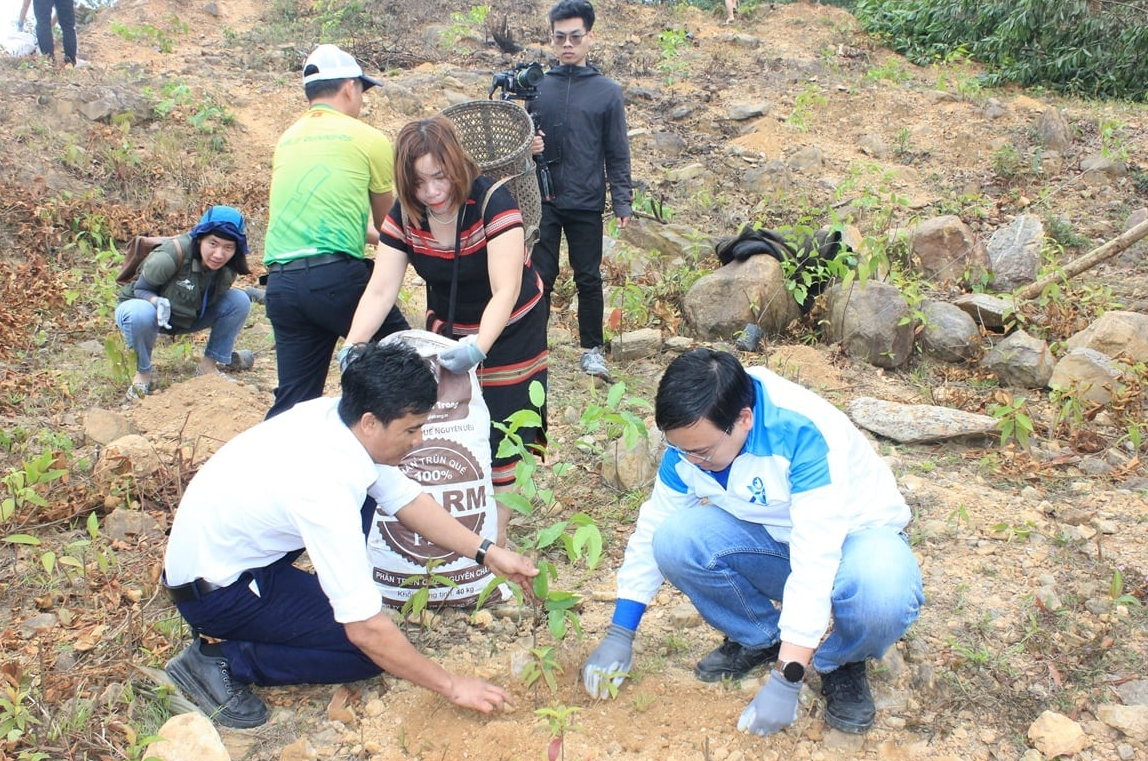
Mr. Van Ngoc Thinh, Director General of WWF-Viet Nam, said that over the next three years, WWF and HEINEKEN Vietnam would continue supporting Da Nang and local communities in restoring ecosystems, protecting water resources, conserving biodiversity and improving livelihoods, thereby contributing to climate change adaptation.
According to Mr. Thinh, protecting water resources and ecosystems cannot be the responsibility of governments or a single organization alone. It requires joint efforts from businesses, local residents and other stakeholders. WWF will continue working with Da Nang while mobilizing additional resources from society to restore forests, protect water resources and strengthen the role of local communities in Ta Lang - Gian Bi.
“The goal is to ensure the coordinated participation of local residents, businesses, authorities and other stakeholders in conserving the forest ecosystems and water resources of the Cu De River basin,” Thinh said.
Creating lasting value for the future
Da Nang currently has more than 745,000 hectares of forest, including more than 503,000 hectares of natural forest, with forest cover reaching 58.25%. At this scale, forests are not only a valuable natural resource but also essential green infrastructure. They help regulate water resources, protect upstream areas, conserve biodiversity, reduce disaster risks and strengthen resilience to climate change.
According to Mr. Tran Nam Hung, Vice Chairman of the Da Nang People's Committee, protecting water resources cannot begin only with facilities for water extraction, treatment and distribution. It must start where water is generated and sustained: the upstream forests. Da Nang considers protecting upstream forests essential to protecting water resources, while restoring forest ecosystems also strengthens resilience to climate change. Against this backdrop, the project to conserve and restore upstream forest ecosystems in the Cu De River basin is a concrete step toward putting this approach into practice.
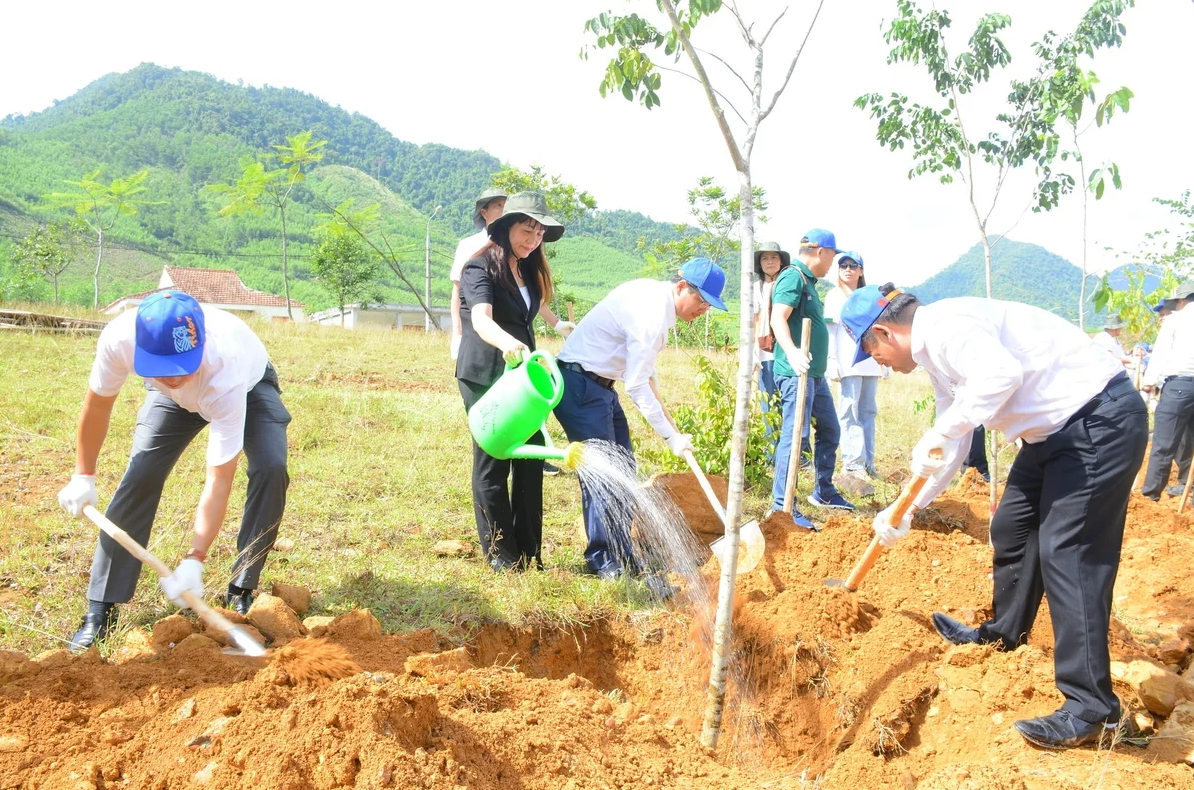
Importantly, the project is not simply about planting more trees or expanding forest area. It aims to restore ecological functions, improve water retention and regulate flows through nature-based solutions. At the same time, it will strengthen management capacity, support livelihoods and promote the role of local communities.
The city expects the project to deliver measurable and lasting results, including better protection and restoration of upstream forests; improved ecosystem quality and biodiversity; stronger management and monitoring of water resources; greater capacity among forest protection forces and local communities; and more stable livelihoods for people in the project area in harmony with nature.
According to Hung, the project's success should not be measured only during its implementation. More importantly, its benefits should continue beyond 2030. This means carefully assessing current conditions, setting appropriate goals, and identifying suitable solutions. Priority should be given to protecting natural forests, restoring ecosystems and improving the ability to retain and regulate water. Management and monitoring capacity should also be strengthened, with local residents placed at the center and forest protection linked to clean water and sustainable livelihoods.
“This cooperation reflects an approach in which the State takes the lead in management, direction and enabling conditions, while organizations and businesses contribute resources, knowledge, experience and social responsibility. Local communities are the direct participants and beneficiaries, as well as the ones who safeguard the project's achievements,” Hung emphasized.
Hung said Da Nang was committed to working closely with all partners to ensure that the project was implemented effectively, sustainably, and in line with its objectives. The city also hopes to document, share, and replicate successful models and lessons from the project in forest management, water resource management, and green development across the city.
Lan Anh