Disaster warnings for communities: Global lessons
The barriers in disaster risk communication and early warning facing Viet Nam are also common challenges for many countries worldwide.
At a recent in-depth panel discussion within the World Meteorological Organization's (WMO) Advisory Group on Severe Weather Forecasting, representatives of international hydro-meteorological agencies emphasized that, beyond nature's unpredictability, the wave of fake and unverified news spreading on social media during each disaster is a major challenge.
Issuing official information early
According to Mr. Vikash Raven, Pacific Forecasting Manager at the New Zealand Meteorological Service, communication is the core solution for delivering disaster warning messages, conveying the level of uncertainty in each forecast, and countering false, unverified information on social media. New Zealand established a professional communication team 10 years ago and collaborated with social media influencers to enhance communication effectiveness.
"Although we cannot completely prevent disasters or false information streams, whenever a disaster event occurs, we always proactively issue official information early and actively interact with the community", Mr. Vikash Raven shared.
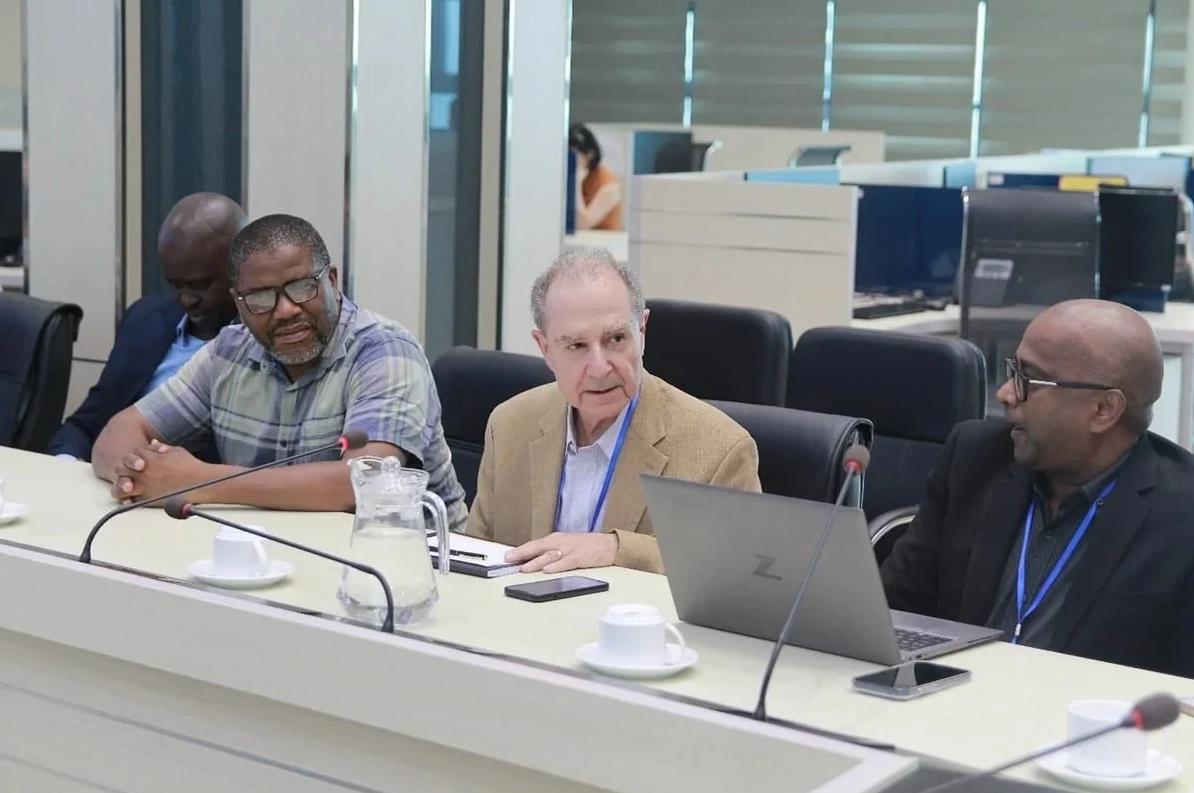
Mr. Puseletso Mofokeng, a representative of the South African Weather Service, stated that the country has shifted from phenomenon-based forecasting to impact-based forecasting. South Africa advocates establishing a coordination mechanism between the hydro-meteorological agency and specialized agencies in energy, health, education, and risk management to assess impacts on each sector. Practice shows that disseminating and transmitting risk information is much more effective. Meanwhile, communication helps "popularize" scientific information and translate complex data into everyday, relatable language, helping recipients easily understand the nature of disaster risks.
Early warning and disaster prevention in South Africa also face a major challenge from people's subjective mentality and reluctance to evacuate. Rather than trying to persuade people alone, authorities collaborate with respected community figures to knock on doors and run awareness campaigns linked to past disasters.
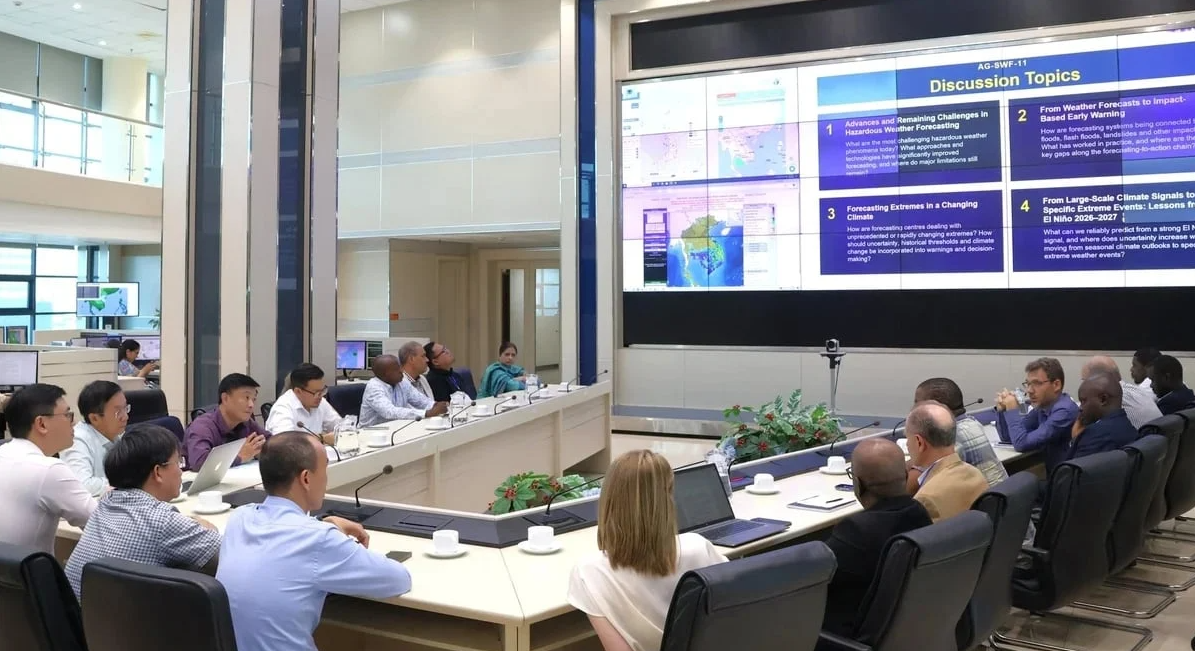
Similarly, Costa Rica and India also maintain regular meetings and exchanges with the press and specialized partners. Through this, hydro-meteorological agencies update information on severe weather forecasts, monthly forecasts, and seasonal forecasts, or develop specialized forecasts for each sector.
Minimizing the tendency to ignore warnings
For the United States, an expensive lesson came from the community's psychology of receiving warning bulletins. A representative of the U.S. National Oceanic and Atmospheric Administration (NOAA), Mr. William Bolhofer, stated that many years ago, a tornado caused severe damage despite warnings being issued very early and continuously. A sociological survey by NOAA showed that the reason people did not react to the severe warning bulletins was that they frequently heard warnings but did not experience disasters sweeping through their living areas, leading to a subjective mentality.
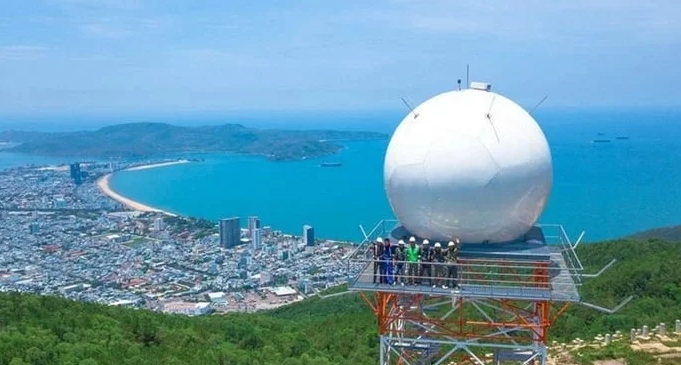
This very reality forced the US to shift to impact-based forecasting. Communication guides people on how to act and react accordingly to each warning level; clarifying the probability of disaster risks instead of trying to provide an absolute forecast. Simultaneously, forecast models were also refined to narrow down areas with a high likelihood of severe disasters, preventing too many people outside the direct risk zone from receiving redundant warnings and minimizing the tendency to ignore alarms.
Unpredictable, borderless disasters require the hydro-meteorological sector to continuously expand cooperation and connectivity. Currently, global hydro-meteorological agencies are actively sharing observational data sources and products from numerical weather prediction models to jointly solve the severe weather problem.
It is this data interconnection and experience sharing that will help improve the quality of early warnings, turning scientific information into a safety shield for society against disasters.
Khanh Ly