Livelihood model helps improve child nutrition in Son La
A livelihood model in Son La has shown positive results by combining livelihood development with nutrition improvement, helping raise household incomes, diversify food sources and ensure children receive an adequate diet.
On September 24, Save the Children in Viet Nam, in coordination with the Son La Provincial Project Management Board, held a Workshop on Sharing and Scaling up Project results and lesson learned from the project “Improving livelihoods of ethnic minorities in Son La Province through agriculture and nutrition improvement.”
Funded by the Ministry of Foreign Affairs of Japan (JMOFA) through Save the Children Japan, the project was implemented by Save the Children Viet Nam in cooperation with local partners from 2023 to 2026 in five communes: Ta Xua, Xim Van, Pac Nga, Sop Cop and Pung Banh in Son La Province.
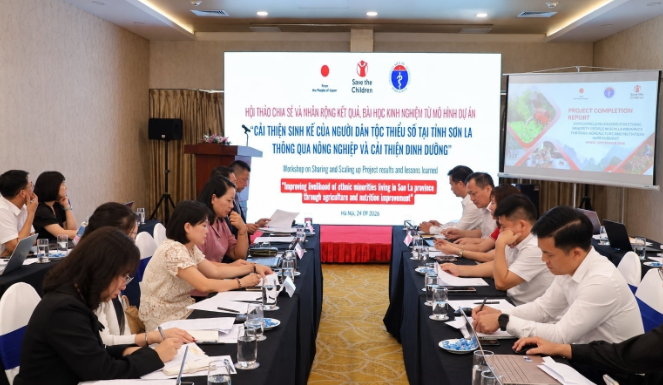
Integrating agriculture with nutrition improvement to build sustainable livelihoods
In his opening remarks, Vuong Dinh Giap, Program Implementation Director at Save the Children in Viet Nam, emphasized that improved livelihoods help diversify food sources, while better knowledge and childcare practices among parents bring long-term benefits to children.
The results and lessons from Son La provide practical evidence for developing and scaling up appropriate models under national target programs for ethnic minority and mountainous areas.
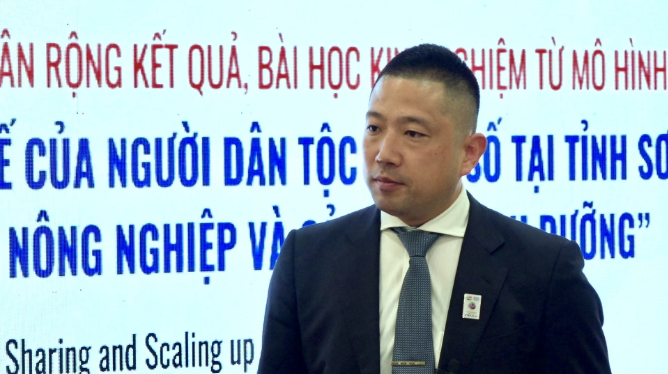
According to Masafumi Saito, First Secretary of the Embassy of Japan, focusing separately on livelihood improvement or nutrition can limit both effectiveness and sustainability. The Son La project therefore adopted an integrated approach, with key activities including support for households and producer groups to strengthen production capacity, diversify food sources and improve market linkages.
The project also focused on improving access to nutrition services, knowledge and practices among pregnant women, mothers with young children and children. Gender equality, rural transport infrastructure improvement and stronger community participation were integrated into implementation.
The approach was designed to address livelihoods, food security and malnutrition simultaneously, laying a foundation for long-term change in local communities.
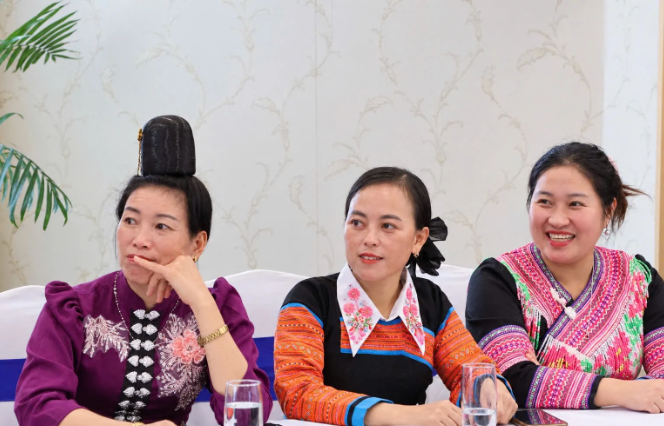
After three years of implementation, the project recorded significant improvements in the livelihoods, food security and nutrition of ethnic minority households. The estimated economic value generated from agricultural production activities increased by 67.8%, from VND 4.01 million to VND 6.73 million per household per six months.
The proportion of households raising poultry increased from 67.4% to 98.5%, while the proportion producing vegetables rose from 19.8% to 72.5%. Children's access to a diverse range of foods also improved markedly. The proportion of children aged 6-23 months consuming food from at least four food groups increased from 33.7% to 82.5%.
Notably, the prevalence of stunting among children under two years old fell from 35.6% to around 18.7%. The project also contributed to improving women's knowledge, skills and role within the household. Some 80.6% of households reported that spouses jointly discussed spending, agricultural production and childcare, while 94.5% of surveyed households said they would continue at least some of the supported livelihood activities after the project ended.
Scaling up models suited to local conditions
Discussing the scaling up of the model, Saito said that localities differ in terrain, climate and exposure to natural disasters. Adaptation models should therefore be designed to match the characteristics and risks of each area rather than applying a one-size-fits-all approach.
He noted that, alongside community initiative, local authorities also need stronger capacity to respond to climate change. “People do not always have sufficient resources to cope with extreme climate impacts on their own. The Government of Japan will continue to implement programs supporting localities in strengthening their adaptation and response capacity.
However, to sustain results after the project ends, localities should gradually reduce their dependence on external funding. The Vietnamese Government should also consider allocating appropriate budgets and human resources to continue these activities in the future,” Saito said.
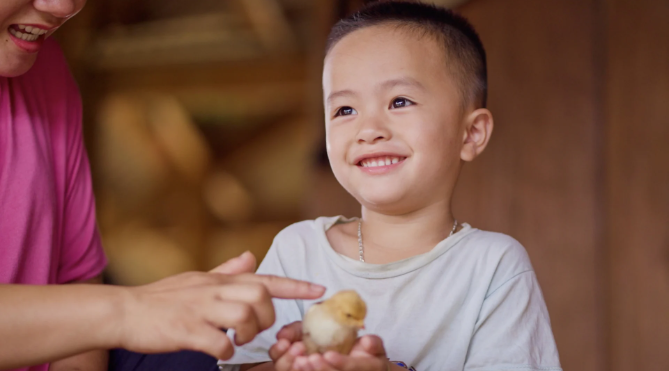
In practice, change begins with everyday activities within households. Tong A Tin, from Lieng Village in Pung Banh Commune, said that childcare had previously relied largely on traditional experience. After receiving guidance from health workers and women in the village, his family paid greater attention to children's hygiene and regular monitoring of their health indicators.
Families also became more proactive in using available food sources to improve children's meals. “Through the knowledge provided by the project, I started using chicken eggs, home-grown vegetables and other available foods to prepare meals for my children. Since I cook the food myself, I feel more reassured, and the children also eat better,” Ngan said.
At the workshop, participants also discussed and recommended integrating effective project models and solutions into local socio-economic development programs and plans. Proposed measures were linked to national target programs on poverty reduction, development in ethnic minority and mountainous areas, and nutrition improvement.
$ 1 = VND 26,180 - Sources: Vietcombank.
Phuong Linh