Viet Nam, UN organizations begin a new phase of cooperation from 2027
Viet Nam and the United Nations have launched a new phase of cooperation for 2027-2031, focusing on sustainable development, green transition, technology and improving quality of life.
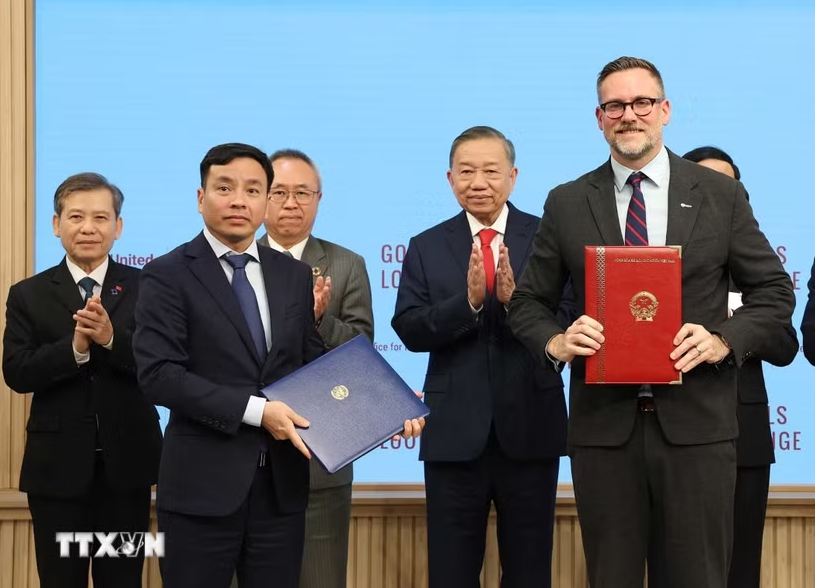
On September 23, Viet Nam and the United Nations officially exchanged the Country Programme Documents (CPDs) for 2027-2031 of the United Nations Development Programme (UNDP), the United Nations Population Fund (UNFPA) and the United Nations Children’s Fund (UNICEF), marking a new phase in their partnership.
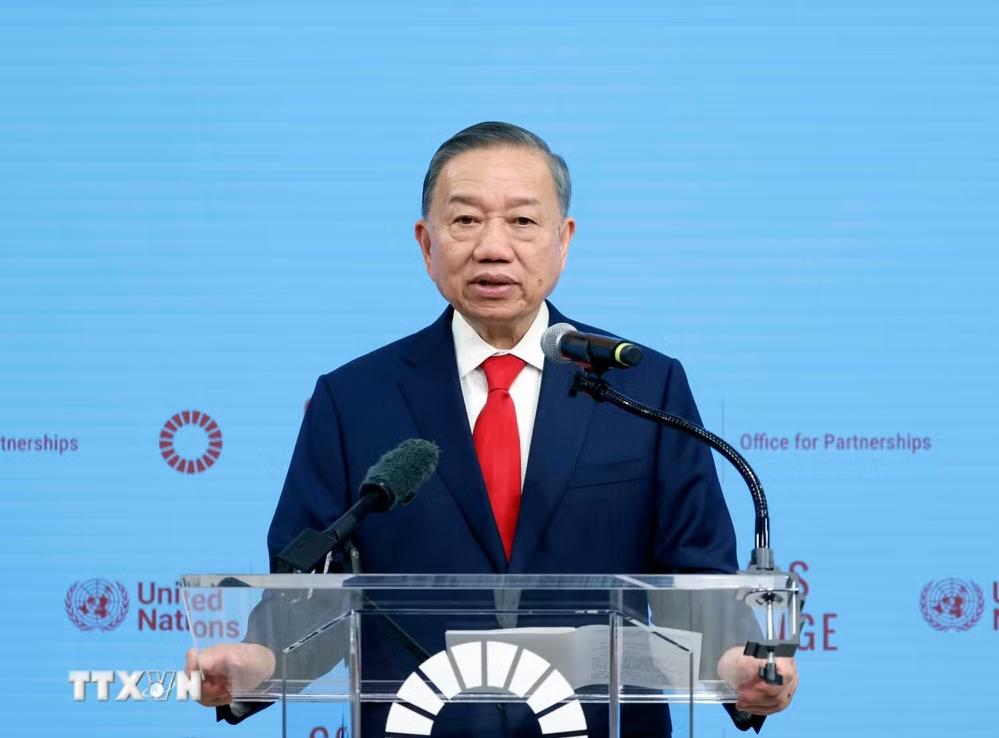
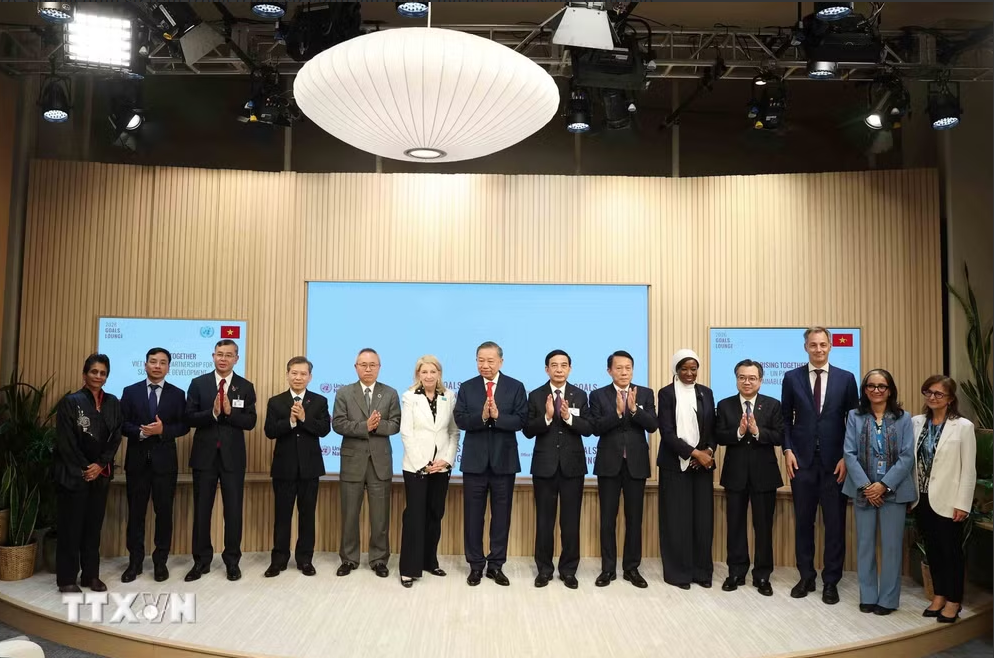
The event was held on the sidelines of the United Nations General Assembly High-level Week in New York, the United States, under the theme “Rising Together: Viet Nam-UN Partnership for Sustainable Development”, chaired by General Secretary of the Communist Party of Viet Nam and President To Lam.
At the ceremony, Minister of Finance Ngo Van Tuan handed over the new CPDs to UNDP Administrator Alexander De Croo, UNFPA Executive Director Diene Keita and UNICEF Executive Director Catherine Russell.
On the occasion, Deputy Minister of Foreign Affairs Dang Hoang Giang also presented the UNDP Administrator with an amended agreement to the 2012 Memorandum of Understanding on the renovation and use of the One United Nations House in Hanoi. Viet Nam has decided to continue providing the premises free of charge, bringing the total period of use to 20 years.
The three new CPDs set out how UNDP, UNFPA and UNICEF will work with the Government and other partners over the next five years to support Viet Nam’s development priorities and contribute to the achievement of the Sustainable Development Goals (SDGs).
The new programmes will be implemented as Viet Nam aims to become a developed, high-income country by 2045 and achieve net-zero emissions by 2050, while responding to climate change, technological transformation, demographic shifts and persistent inequalities.
Focus on green and digital transformation
The UNDP Country Programme for 2027-2031 focuses on four priority areas: climate change response and environmental protection; economic and digital transformation; inclusive human development; and governance and the rule of law.
UNDP said the programme has been developed in line with Viet Nam’s goal of becoming a developed, high-income country by 2045 and achieving net-zero emissions by 2050. It will support stronger institutional and policy capacity, resource mobilisation and the scaling up of proven solutions.
According to Ms. Pauline Tamesis, United Nations Resident Coordinator in Viet Nam, Viet Nam’s development is reshaping its relationship with the United Nations, moving from a model based on international assistance towards a more strategic and two-way partnership. She said that from being a recipient of international assistance, Viet Nam is increasingly contributing its own experience, solutions and initiatives to the global agenda. Guided by the new 2027–2031 Cooperation Framework, the new 2027-2031 Country Programme Documents reflect this shift towards a more strategic and two-way partnership.
“We look forward to Viet Nam increasingly sharing its experience and solutions, while also contributing to progress and development beyond its national borders”, she emphasized.
Responding to demographic change and investing in children
For UNFPA, the 2027-2031 programme focuses on rapid changes in Viet Nam’s population structure, particularly population ageing. UNFPA will strengthen the use of population data and evidence to support policymaking, while promoting access to sexual and reproductive health services and reproductive choices, especially for women, young people and groups at risk of being left behind.
The programme will also support Viet Nam in preventing and responding to gender-based violence and harmful practices, while strengthening services for survivors of violence.
Meanwhile, UNICEF’s programme places children and adolescents at the centre, with three priorities: inclusive human development centred on children; good governance and child protection; and climate, disaster and environmental action centred on children.
In the coming period, UNICEF will continue working with the Vietnamese Government and its partners to expand equitable access to healthcare, nutrition, education and social protection, particularly for vulnerable children. The programme will also focus on protecting children from violence, exploitation and abuse, including online, while strengthening their resilience to climate and environmental risks.
Viet Nam joined the United Nations in 1977 and will mark its 50th anniversary as a member in 2027. Over nearly five decades, the Viet Nam-United Nations partnership has covered a wide range of areas, including poverty reduction, healthcare, education, social protection, gender equality, the environment and governance.
In the new phase, cooperation will increasingly focus on policy advice, technical expertise, data and evidence, innovation, financial resources and support for implementing solutions led by Viet Nam.
The three programmes of UNDP, UNFPA and UNICEF are designed to complement one another while contributing to the United Nations Sustainable Development Cooperation Framework for Viet Nam for 2027-2031. Through this approach, the United Nations system aims to strengthen coordination and align more closely with Viet Nam’s development priorities.
Minh Hanh