Post-mining forest restoration: Challenges and potential benefits
Nature-based solutions for post-mining forest restoration aim to maximize carbon capture and environmental protection.
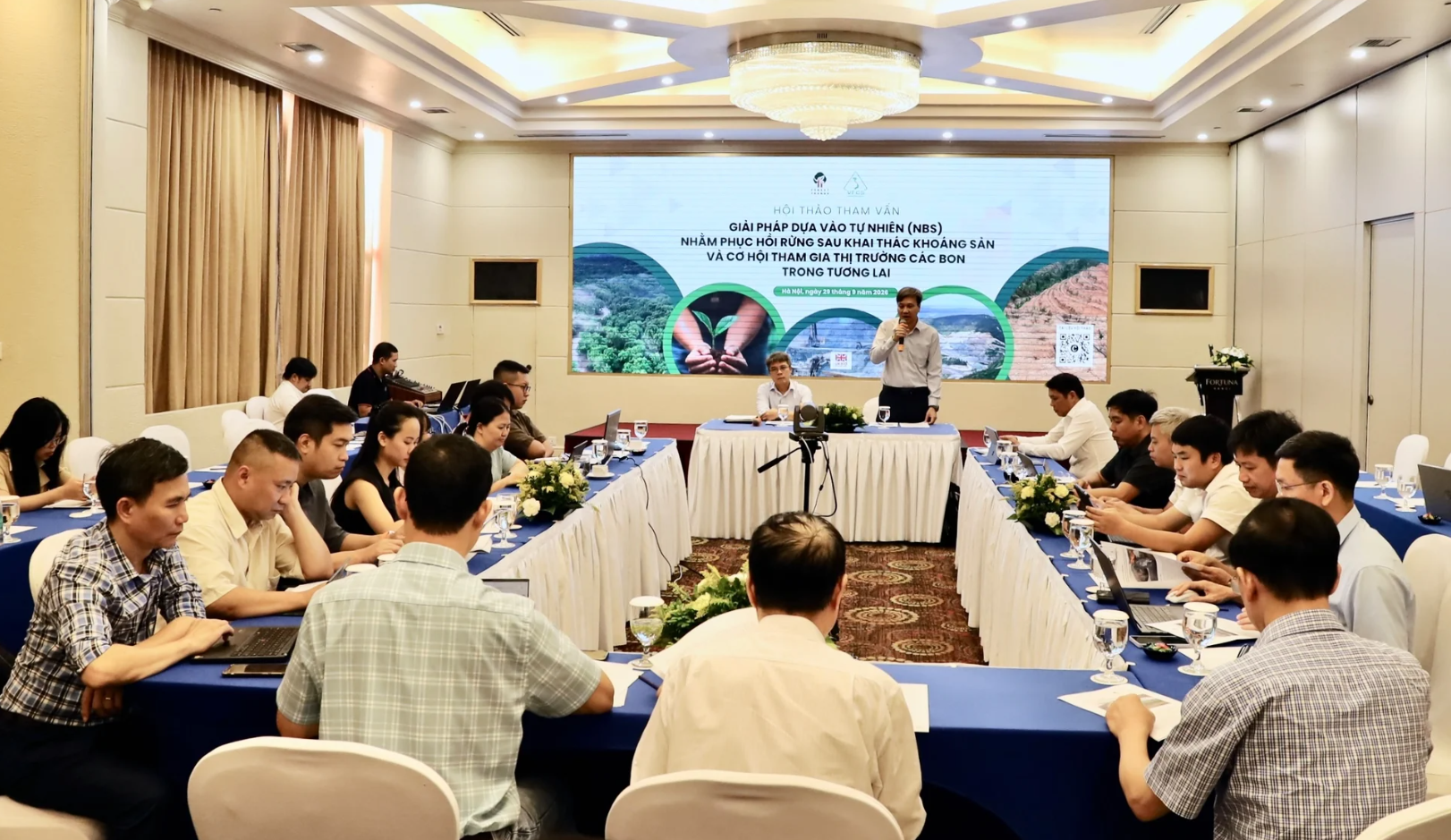
On September 29, the Viet Nam Certification Center, in collaboration with Forest Trends, organized a consultation workshop titled “Nature-based Solutions (NbS) for Forest Restoration after Mining and Opportunities to Participate in Future Carbon Markets.”
Held under the project “Technical Support for Activities in Viet Nam Supported by the Forest Governance, Markets and Climate (FGMC) Programme,” the workshop shared findings from an assessment of the links between mining activities and forest loss. It also discussed the potential application of nature-based solutions to restore forests after mining.
Seeking solutions for forest restoration after mining
According to Dr. Tran Lam Dong, Deputy Director of the Viet Nam Academy of Forest Sciences, the conversion of forest land for mining, as well as forest rehabilitation and restoration, are relatively clearly regulated by law. This provides an important basis for managing and restoring forest areas affected by mining activities.
“The workshop provides a forum for stakeholders to exchange knowledge and experience and propose appropriate solutions to restore forest ecosystems in post-mining areas, protect biodiversity and enhance the carbon sequestration capacity of forests.
Alongside the project’s initial findings, we hope to receive feedback on policy and technical solutions to improve the effectiveness of restoring forest areas after mining,” Dr. Dong said.
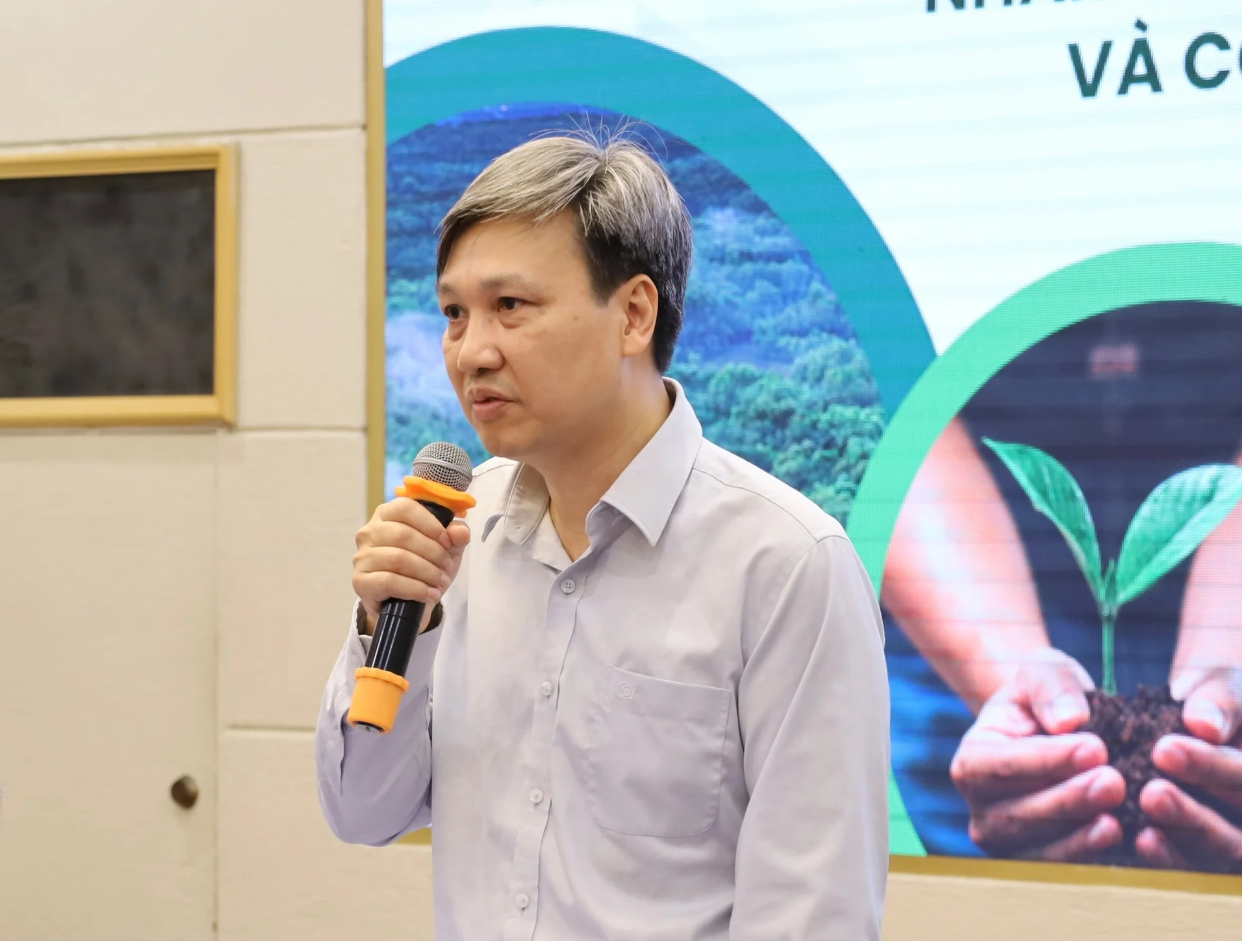
Meanwhile, To Xuan Phuc, Director of the Forest Policy, Trade and Finance Program at Forest Trends, said there is still a lack of information and research on the relationship between mining and forest loss, as well as the potential application of nature-based solutions (NbS) to restore forests after mining, increase carbon sequestration and contribute to climate goals.
The study therefore focuses on three main objectives.
First, it assesses the existing legal framework and clarifies regulations related to mining activities, forest resources, and the conversion of forest and land use for mining purposes.
Second, it assesses the potential for applying nature-based solutions to restore post-mining areas and, in turn, determine the carbon sequestration potential of forests.
Third, based on the research findings, it proposes policy and investment recommendations to improve mechanisms for restoring post-mining areas while creating opportunities for the private sector to invest in sustainable forest development.
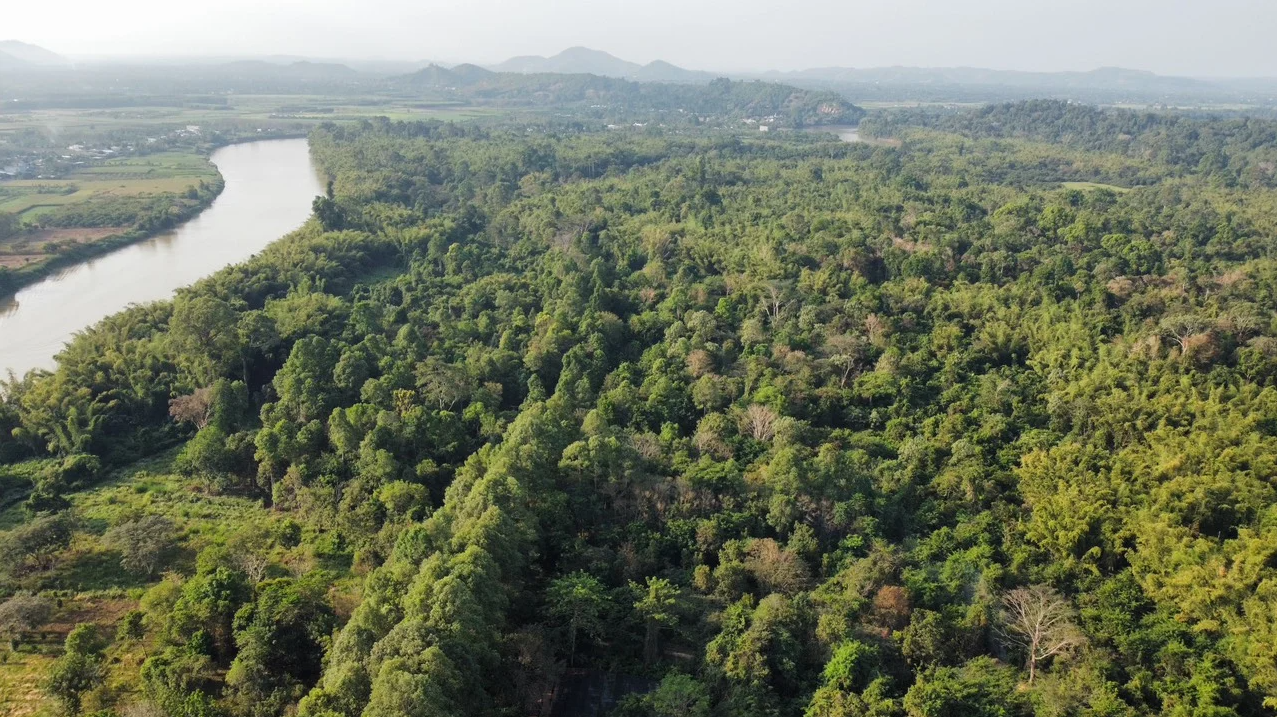
Forest restoration potential and potential benefits
As part of the study, the research team first reviewed the sector-specific legal framework, focusing on the consistency and coherence among the 2024 Law on Geology and Minerals, the 2017 Forestry Law, the 2024 Land Law, the 2020 Law on Environmental Protection and the 2017 Planning Law. The review identified policy and institutional gaps, as well as gaps in coordination mechanisms among sectors and levels of government in managing and restoring forests after mining.
At the national level, the research team used remote sensing data combined with UAV data to assess the impacts of mining activities on changes in forest area. Multi-temporal remote sensing data from Landsat and Sentinel for the 2015-2025 period were analyzed to identify changes in forest cover and the areas affected by mining activities.
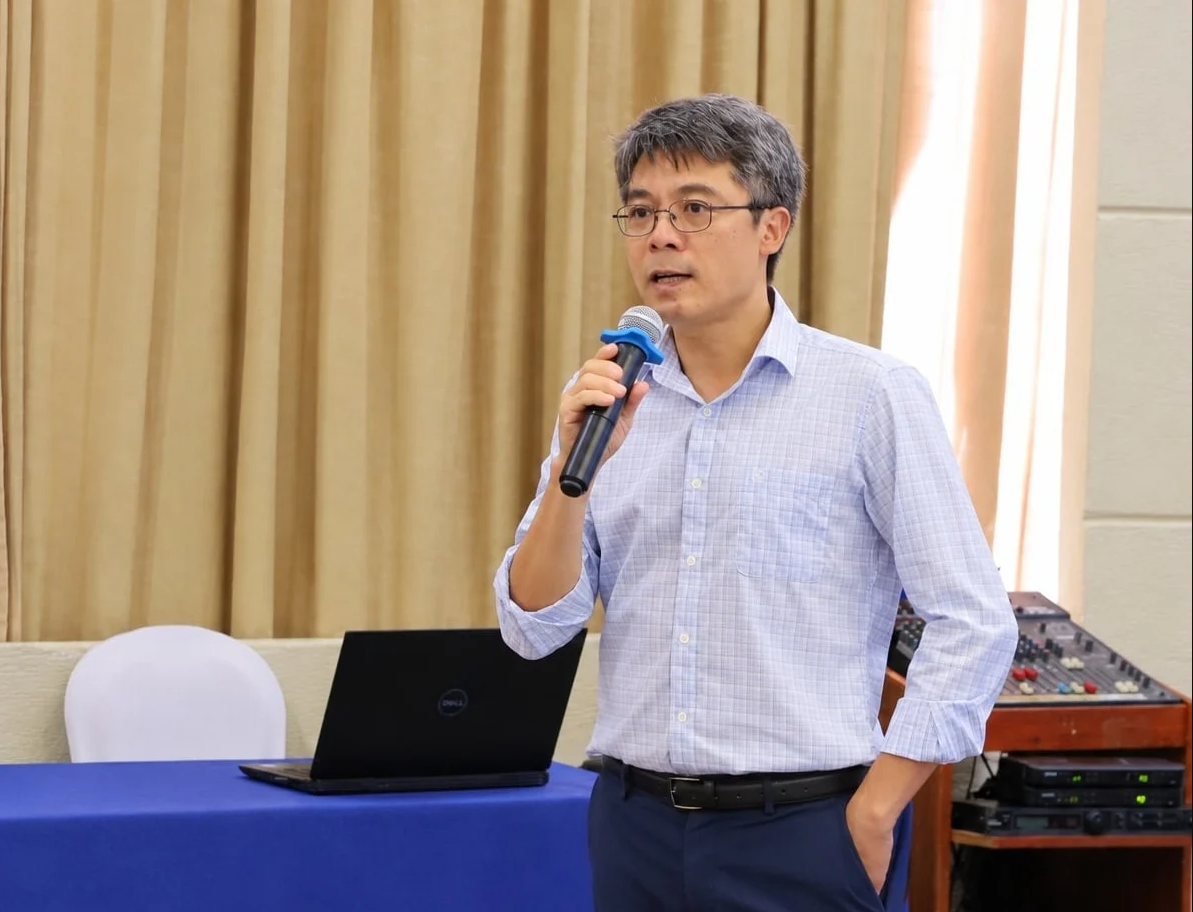
Prof. Dr. Vu Tan Phuong, Director of the Viet Nam Forest Certification Center (VFCC), said 3 types of mining were selected for in-depth assessment: coal mining in Quang Ninh, bauxite mining in Lam Dong and apatite mining in Lao Cai. The research team conducted field surveys at three coal mining companies, one bauxite mining company and one apatite mining company. Soil surveys and sampling were also carried out to assess changes in soil quality.
The assessment of biomass and carbon sequestration potential in forests restored after mining was based on existing measurement data from 17 sample plots, supplemented by surveys of 12 additional sample plots. Based on these data, the initial carbon sequestration potential of forest restoration was calculated.
The proposed nature-based solutions (NbS) for forest restoration after mining are based on three factors: site characteristics and classification, which provide an important basis for selecting tree species and appropriate interventions for specific site conditions; phased forest restoration and management combined with greater diversity of planted species, particularly in areas with challenging site conditions; and long-term forest management aimed at improving ecological conditions and enhancing carbon sequestration, thereby contributing to environmental protection and emission reduction goals at both local and national levels.
At the workshop, participants said the presentations provided valuable information, ranging from the international context to mining and forest loss in Viet Nam - an issue that has received little attention in recent years.
Discussions also focused on policy gaps and the need to improve policies, particularly in integrating mining planning with national forestry development, improving the quality of environmental impact assessments, and strengthening monitoring of environmental rehabilitation after mining. Participants also discussed nature-based solutions for forest restoration, particularly their potential to enhance carbon sequestration, improve ecological functions and strengthen the environmental protection role of forests.
Phuong Linh